This week, musicians dive into works past and present, examining how music impacts personal identities. Swiss-French cellist Christoph Croisé and Georgian pianist Ana Bakradze present a program of works inspired by their memories, and united by the spirit of folk traditions. Two pianists – Inna Faliks and Roberta Rust – curate works that speak to their past, including two works handwritten by Faliks as a child. Conductor Dalia Stasevska leads the BBC Symphony Orchestra in rarely heard works by Ukrainian composers Mykola Lysenko, Levko Kolodub, Borys Liatoshynsky, and Fedir Yakymenko. Finally, Carnegie Hall presents selections from their 2024 citywide festival, exploring the thriving creative period in Germany between World War I and World War II.
New Releases July 28: Personal Identities

The program America in Weimar: On the Margins was part of Carnegie Hall’s Fall of the Weimar Republic: Dancing on the Precipice, a citywide festival in 2024 exploring the thriving creative period in Germany between World War I and World War II. Led by conductor and pianist Rei Hotoda, the American Composers Orchestra (ACO) present a recording of that program featuring George Antheil’s A Jazz Symphony, Duke Ellington’s Sophisticated Lady and Solitude (arr. Morton Gould), and Kurt Weill’s Pirate Jenny alongside new works by John Glover & Kelley Rourke, Tonia Ko, and Jerod Impichchaachaaha’ Tate. “We invite the audience to contemplate the American influence on the Weimar period and conversely trace Weimar’s enduring values in American art and music,” says ACO Artistic Director Curtis Stewart. “This century-long musical journey looks back to look forward – a moment for reflection – to discover possibilities of communal and individual determination in tumultuous times.”
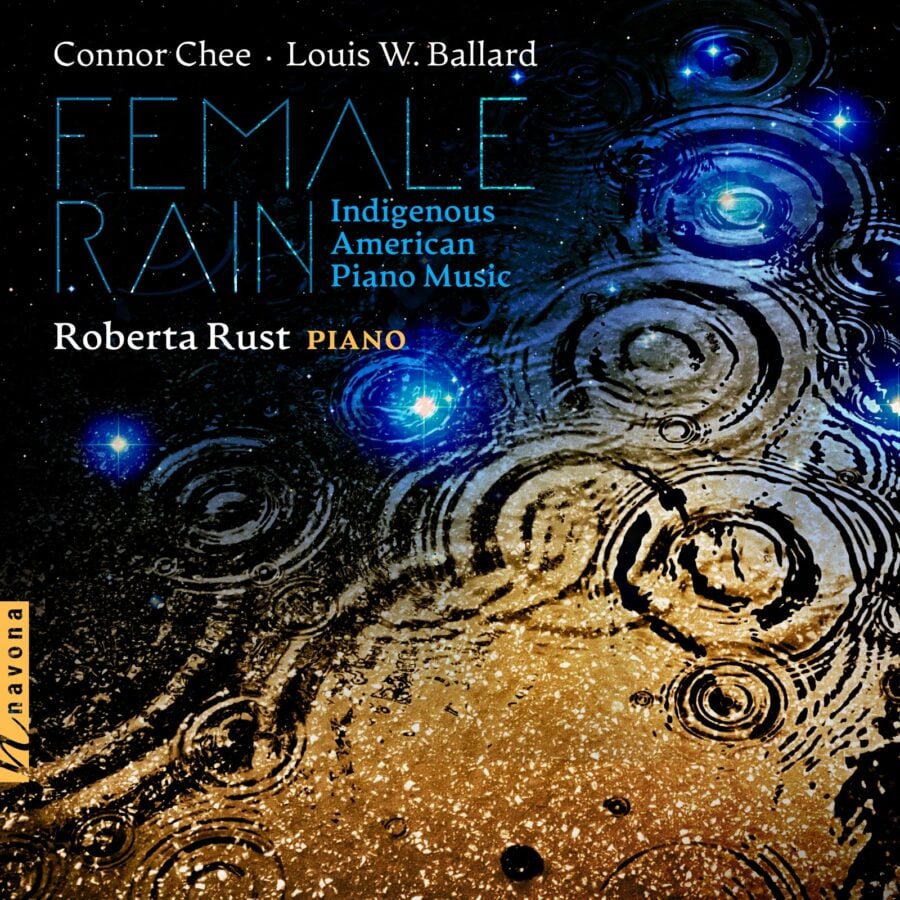
A champion of living composers and Indigenous American music, pianist Roberta Rust presents evocative works by two Indigenous American composers. Louis W. Ballard (Quapaw/Cherokee, 1931–2007) was a prolific composer and considered the first and foremost Native American composer of North American art music. The 21st century music of Connor Chee (Diné/Navajo, b. 1987) combines his classical piano training with his Navajo heritage. “[Chee] writes evocatively for the instrument in an atmospheric and memorable language that is uniquely his own,” says Rust. Both composers’ works capture a unique perspective that bridges the gap between two disparate worlds.
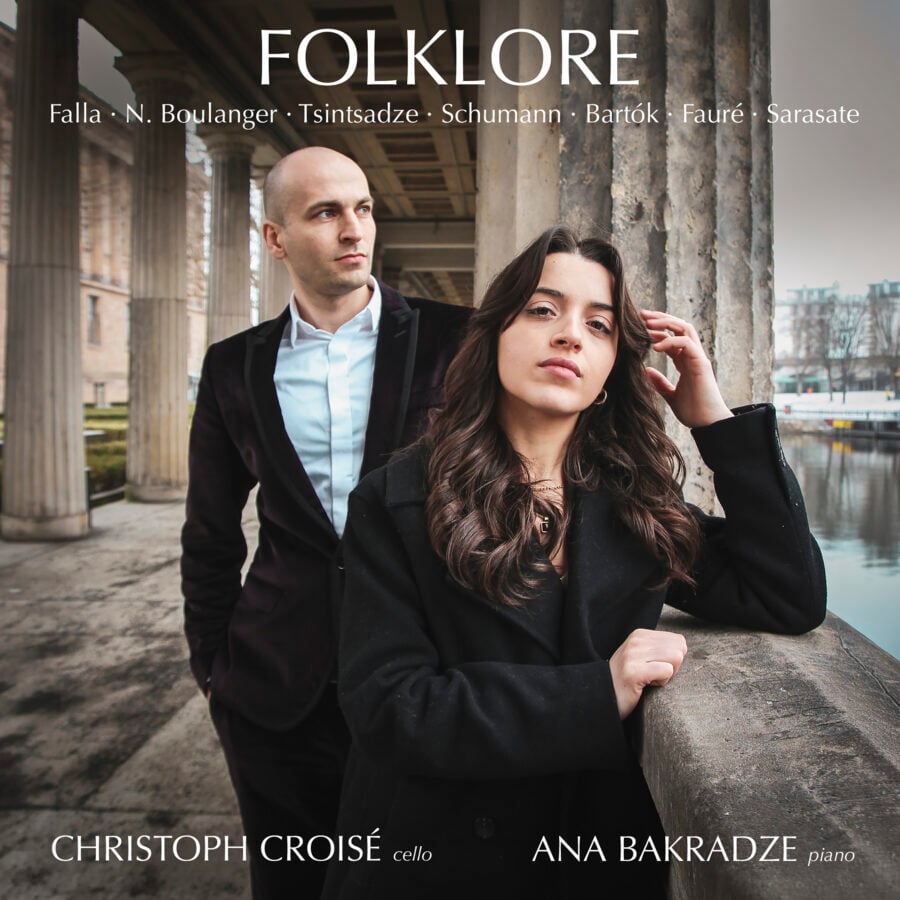
Swiss-French cellist Christoph Croisé and Georgian pianist Ana Bakradze present a program of works united by the spirit of folk traditions and national character, as well as personal memories of the performers. Seven Popular Spanish Songs by Manuel de Falla is his most-arranged composition and among his most popular. Béla Bartók’s Six Romanian Folk Dances, originally composed for solo piano, were drawn from melodies the composer recorded of folk musicians singing in the countryside of his Hungarian homeland. Hungarian influences infuse Pablo de Sarasate’s Zigeunerweisen, originally scored for violin and orchestra. Sulkhan Tsintsadze’s Five Pieces on Georgian Folk Themes evoke childhood memories for pianist Bakradze, especially the fourth, a lullaby that her mother used to sing to her. The most substantial work on the album, Robert Schumann’s Five Pieces in Folk Style conjures the harmonies and rhythms of folk music. French national character imbues Nadia Boulanger’s Trois pièces and works by her teacher Gabriel Fauré: his elegant Sicilienne and his mélodie Après un rêve.
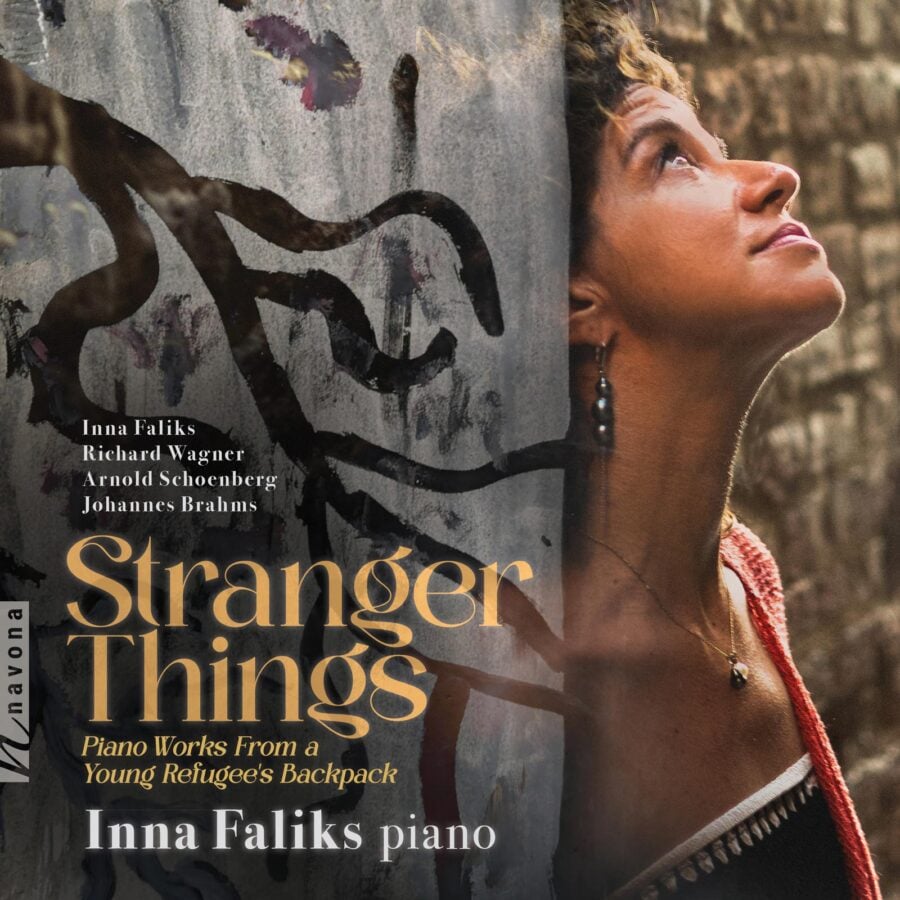
On her latest solo album, pianist and composer Inna Faliks reflects on the musical forces that have shaped her artistic voice. The program begins with two hand-written manuscripts in a backpack, two short pieces composed by a 10-year-old composer-pianist crossing the border from Ukraine to Slovakia, en route to Austria. “I was immigrating from Odesa, Ukraine, a Jewish refugee on a bus full of people like me, with my parents and two giant suitcases,” says Faliks. “We were leaving everything we knew for an unknown place….After months on the road, in Vienna and Rome, we arrived and settled in Chicago.” Faliks’s works appear alongside works by Arnold Schoenberg, Richard Wagner, and Johannes Brahms, tracing a path from Romantic tradition to the expressive freedoms of early modernism.
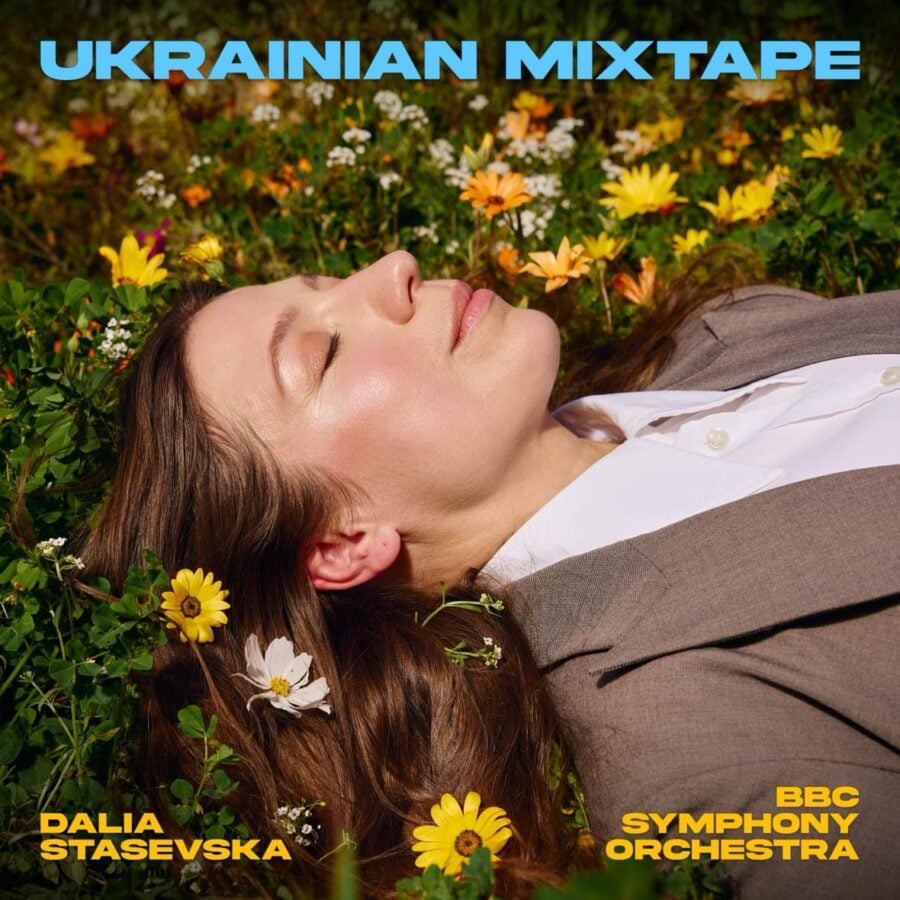
Conductor Dalia Stasevska leads the BBC Symphony Orchestra in rarely heard works by Ukrainian composers Mykola Lysenko, Levko Kolodub, Borys Liatoshynsky, and Fedir Yakymenko. The music on Ukrainian Mixtape reflects different voices and generations of Ukrainian composers, each of them contributing a distinct perspective to the country’s unique cultural landscape. “The motivation to create this album, my Ukrainian Mixtape, was born both from my personal history — as someone with deep roots in the country’s culture, and from this current moment in history, when Ukrainian identity and heritage feels especially fragile and deeply in need of preservation,” says Stasevska. “I hope this album will inspire audiences around the world to discover, celebrate, and cherish these unique voices and the cultural legacy they carry.”