
This week focuses on ensembles specializing in historical performance practice, plus two albums featuring premiere recordings by living composers. Monteverdi specialists I Fagiolini and Robert Hollingworth present a recording of Monteverdi’s landmark “1610 Vespers” ahead of the ensemble’s 40th anniversary. Cellist Sol Gabetta and the period instrument orchestra Les Siècles, led by François-Xavier Roth, present three cornerstone works of the Romantic cello repertoire, while the Akademie für Alte Musik Berlin presents the first volume of their Emilie Mayer series. In contemporary music, clarinetist Mariam Adam and flutist and composer Valerie Coleman celebrate their 30-year partnership with an album of chamber music works, and Fuga Libera launches their new series to celebrate the music, composers, and performers of Latin America.
New Releases September 22: I Fagiolini, Sol Gabetta, and more
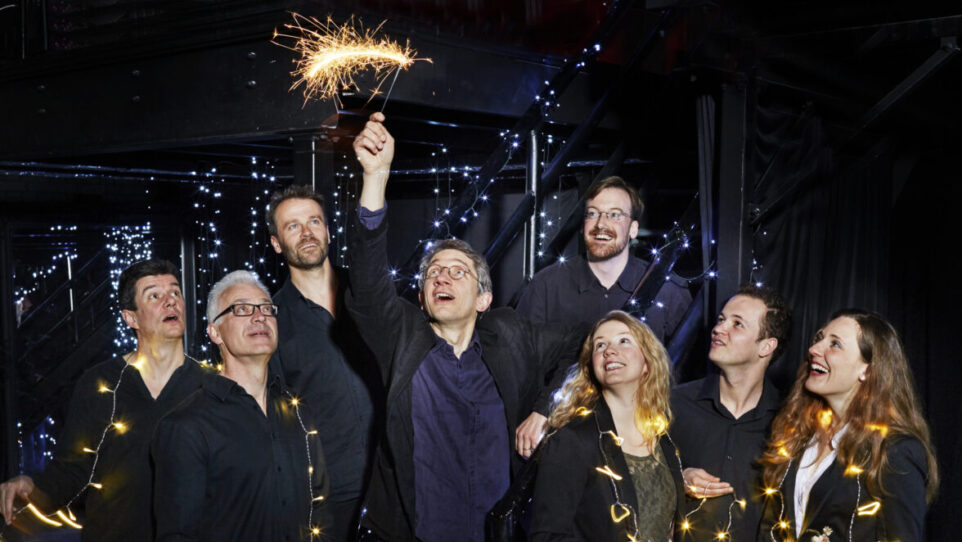
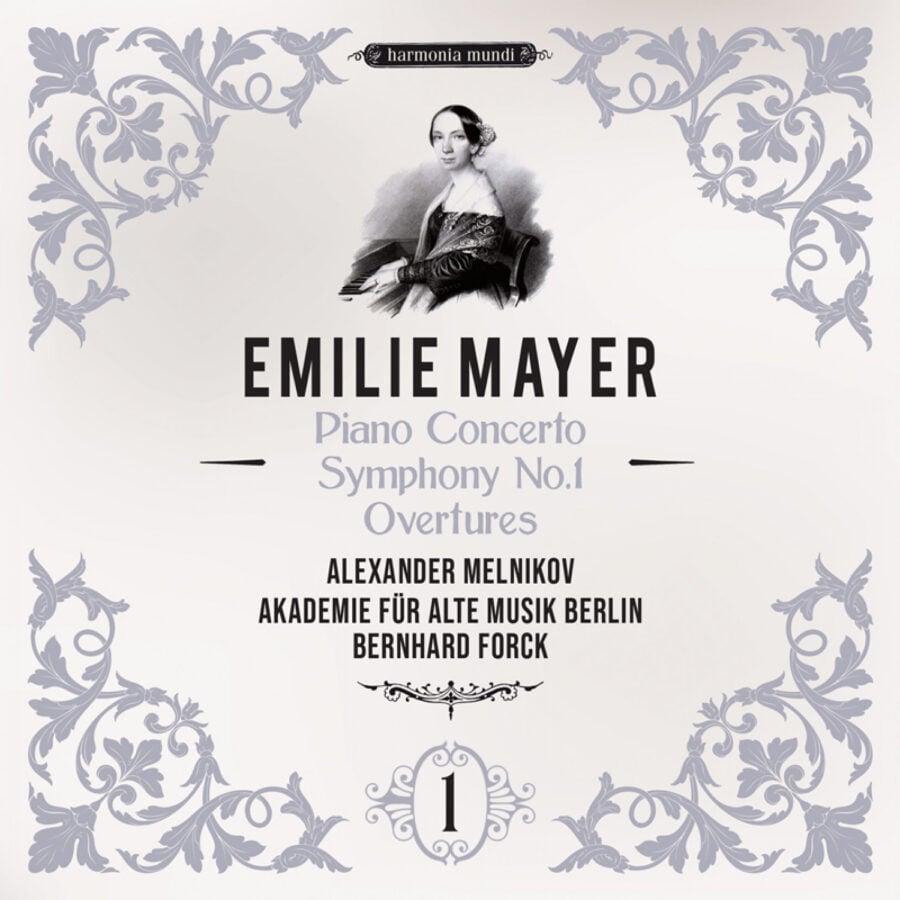
Despite having languished for so long in the shadow of her male peers, Emilie Mayer’s compositions bear witness to an indomitable personality. The musicians of the Akademie für Alte Musik Berlin have resolved to do her justice by presenting a series of recordings dedicated to her symphonic works. Performed on period instruments, volume one features the Overture in D minor, the Overture No. 3 in C major, the Symphony No. 1 in C minor, and the Piano Concerto in B-flat major with Alexander Melnikov as soloist on an 1867 Blüthner piano.
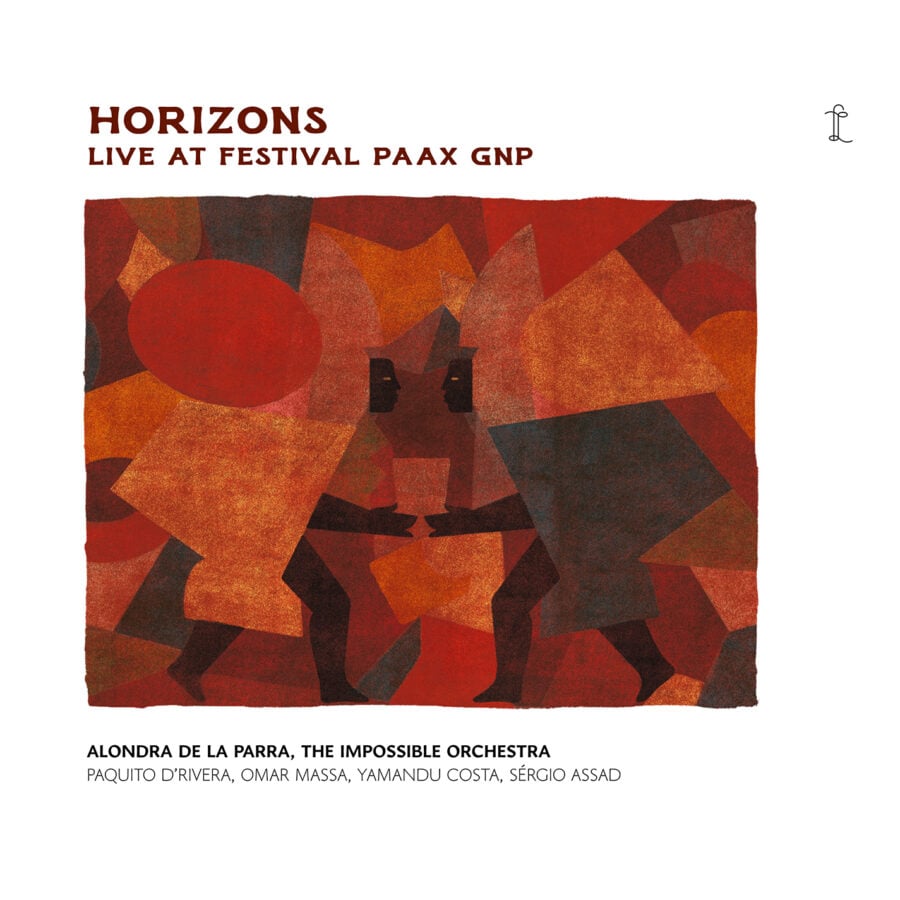
Fuga Latina, a branch of the Fuga Libera label, is a new series launched by the independent classical music group Outhere Music to celebrate the music, composers, and performers of Latin America. The series’ inaugural album, recorded live at the 2023 Festival PAAX GNP in Mexico’s Mayan Riviera, brings together three concertos under the baton of conductor Alondra de la Parra, Artistic Director and Founder of the festival. Works by Paquito D’Rivera, Omar Massa, Yamandu Costa, and Sérgio Assad trace a sonic journey from the Caribbean to Argentina and Brazil, sometimes evoking African and Chinese traditions along the way. The composers perform as soloists alongside The Impossible Orchestra, imbuing these works with the spontaneity and energy of live performance.
Monteverdi’s Vespro della beata Vergine is a landmark work of the early Baroque, sitting at the crossroads of Renaissance polyphony and the novel use of basso continuo heard in his first opera, L’Orfeo. The “1610 Vespers” redefined what sacred music could sound like — emotionally immediate, virtuosic, both looking back to the past and driving forward into the future. Monteverdi specialists I Fagiolini and Robert Hollingworth have waited until their 40th birthday to record the 1610 collection. This is a lifetime’s work with every nuance of drama and color brought out in this thrilling one-to-a-part performance. This historically informed recording interpretation employs a higher organ pitch (known at the time as mezzo tuono), with the brighter early brass sound of the English Cornett & Sackbutt Ensemble, alongside the intimate and deeply personal singing of one of Britain’s most technically polished vocal ensembles.
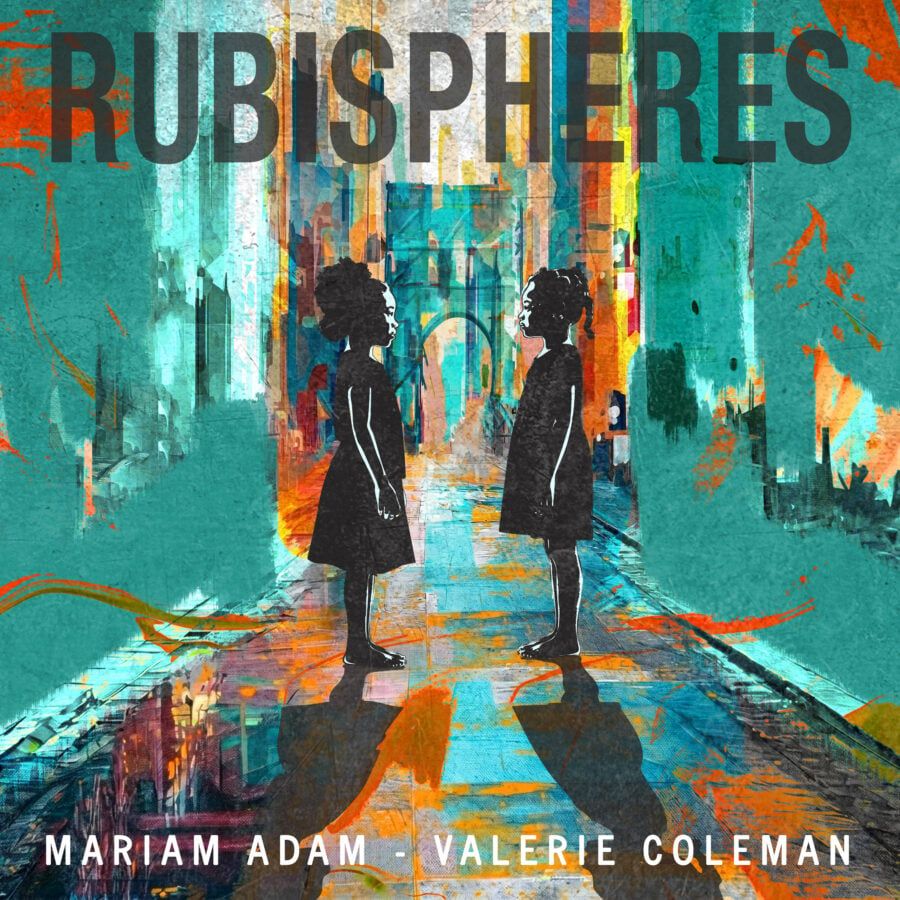
Clarinetist Mariam Adam and flutist and composer Valerie Coleman, co-founders of the Imani Winds, celebrate their 30-year partnership with an album comprising chamber works by Coleman. The program includes Rubispheres, a set of wind trios; Maombi Asante, an African dance-inspired prayer of thanks for flute, violin, and cello; Portraits of Langston for flute, clarinet, piano, and narrator, in tribute to and based on works by Langston Hughes; and Shotgun Houses, a portrait of Coleman’s fellow Louisville native Muhammad Ali for clarinet and string quartet. Performers on the album also include bassoonist Monica Ellis, violinist Tai Murray, cellist Brook Speltz, pianist Alex Brown, the Blair String Quartet, and bass-baritone Dashon Burton reading the works of Langston Hughes.
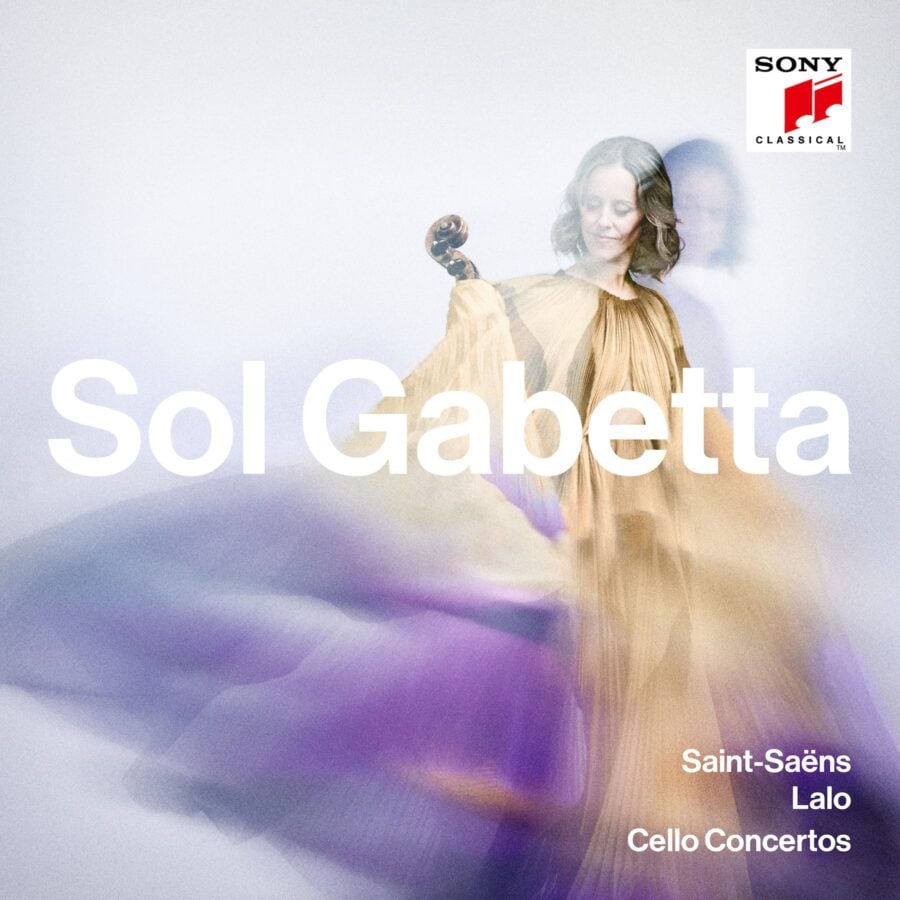
Cellist Sol Gabetta and the period instrument orchestra Les Siècles led by François-Xavier Roth present Camille Saint-Saëns’s two Cello Concertos alongside Édouard Lalo’s Cello Concerto in D minor — three cornerstone works of the Romantic cello repertoire. Saint-Saëns’s First Concerto and Lalo’s concerto, composed within a span of just a few years, both place a strong emphasis on the orchestra, creating a dynamic dialogue between soloist and ensemble. Written three decades later, Saint-Saëns’s Second Concerto, by contrast, emerges as a highly virtuosic and structurally expansive work that demands exceptional technical and expressive range from the soloist. Gabetta’s collaboration with Les Siècles adds a further dimension to the recording, offering a sound palette that reflects the stylistic context of the late 19th century while remaining vivid and immediate.


