Albums dedicated to the music of famous composers, and a new release to whet our appetite for Jeanine De Bique’s return to Chicago with Apollo’s Fire. Under the leadership of music director Tim Keeler, the Grammy Award-winning ensemble Chanticleer presents an all-Machaut program juxtaposing the fourteenth century composer’s Messe de Notre Dame with his court chansons. Cellist Camille Thomas celebrates Philip Glass’s upcoming 90th birthday with a deeply personal project, bringing fresh attention to rarely performed works, while Domingo Hindoyan leads the Royal Liverpool Philharmonic in a 150th birthday celebration. Soprano Jeanine De Bique, countertenor Terry Wey, and the Basel Chamber Orchestra present an album of arias and duets from an array of Baroque composers: Geminiano Giacomelli, Johann Adolphe Hasse, Nicoloa Porpora, Tomaso Albinoni, and George Frideric Handel. Guitarist Jason Vieaux, presents a collection of his original compositions for solo guitar written when the in-demand educator and performer was able to spend uninterrupted, precious weeks at home with his wife and two young children due to the pandemic.
New Releases September 28: Philip Glass, Chanticleer, and more
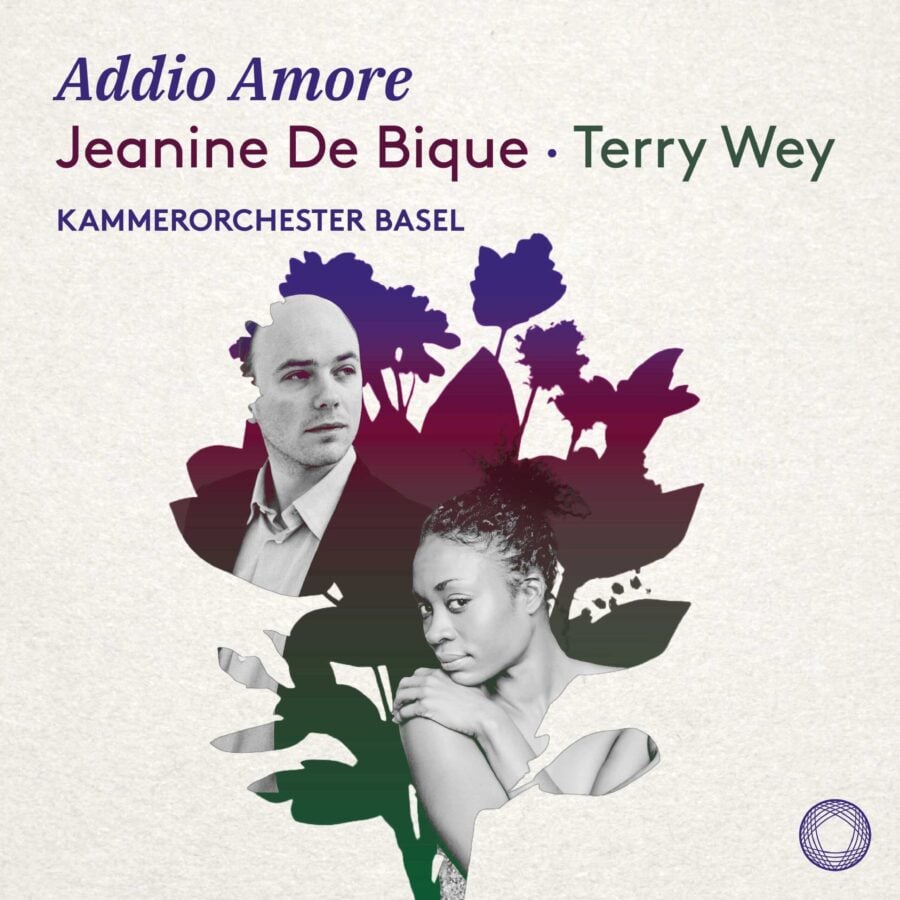
Soprano Jeanine De Bique, countertenor Terry Wey, and the Basel Chamber Orchestra present an album of arias and duets from an array of Baroque composers: Geminiano Giacomelli, Johann Adolphe Hasse, Nicoloa Porpora, Tomaso Albinoni, and George Frideric Handel. The program explores various iterations of the 18th century operatic farewell — when lovers, friends, or heroes suffer separation, abandonment, or death, illuminating a shared language of expressive extremes where tenderness and grief exist side by side. Following his rich experiences as a leading soprano soloist of the Vienna Boys’ Choir, the Swiss-American countertenor Terry Way has been a recurring guest of the most prestigious Early Music festivals and has collaborated regularly with the most recognized conductors of this repertoire. The Trinidadian soprano Jeanine De Bique is one of opera’s fastest rising stars celebrated for her dynamic stage presence and mastery of Baroque, Classical, and contemporary repertoires. Mirrors, De Bique’s debut solo album with Concerto Köln won the 2022 Opus Klassik Award for Best Vocal Solo Recording and an Edison Klassiek Award. Addio Amore includes five world premiere recordings as well as a pair of concertos by Giuseppe Torelli featuring violinists Julia Schröder and Antonio Viñuales.
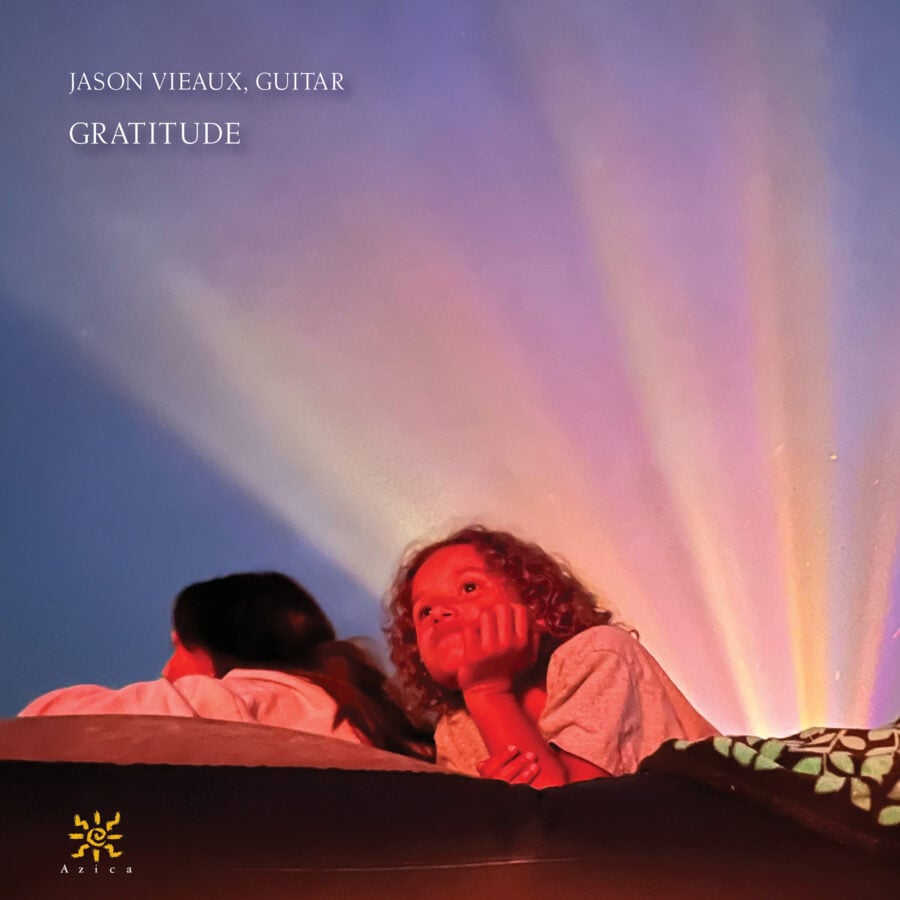
Guitarist Jason Vieaux presents a collection of his original compositions for solo guitar, written when the in-demand educator and performer was able to spend uninterrupted, precious weeks at home with his wife and two young children due to the pandemic. The resulting collection of works represents a time of connection, reflection, growth, and love. Vieaux premiered the title track, “Gratitude,” at the Cleveland International Classical Guitar Festival and dedicated it to his mother, who passed away later that year. That concert was the last one she was able to attend. The wistful and meaningful “Ellicottville Rondo” recalls summer family visits in Western New York ski country. “Home” is a right-hand tremolo study in an Open G tuning. “December Etudes” are six lyrical and evocative études, each focusing on a specific musical or technical classical guitar skill. All but one uses a cell from a popular song melody, tracing the soundtrack of the Vieaux family’s uninterrupted time spent together.
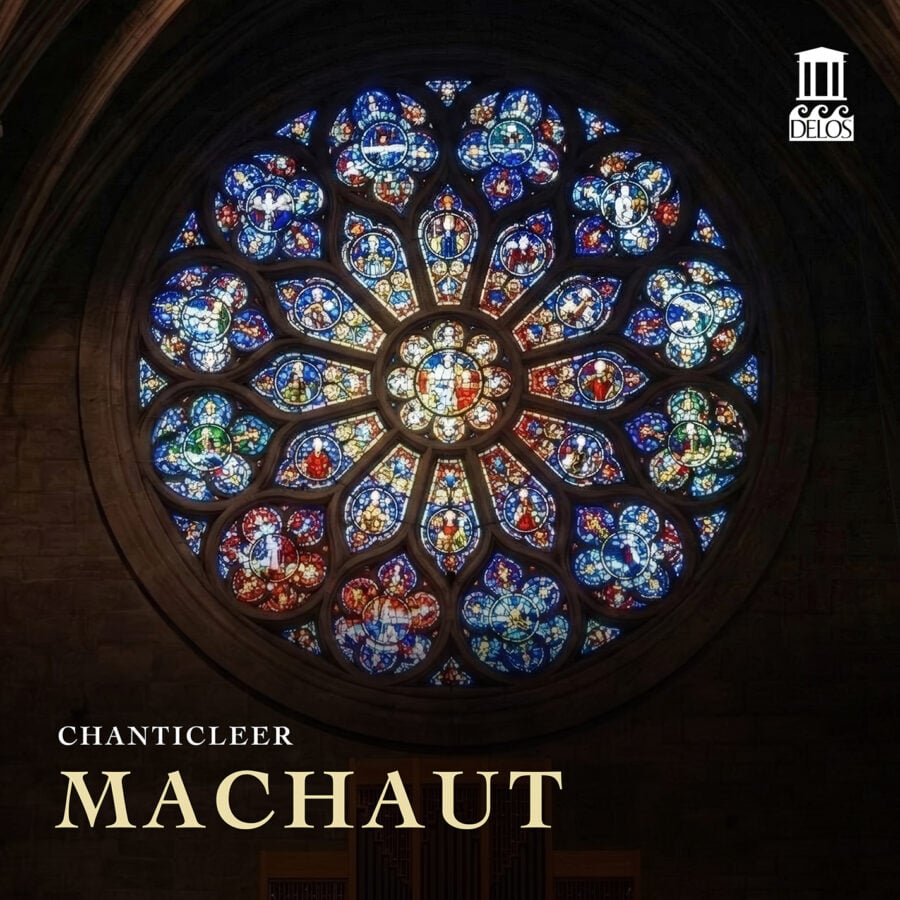
Under the leadership of music director Tim Keeler, the Grammy Award-winning ensemble Chanticleer presents an all-Machaut program juxtaposing the fourteenth century composer’s Messe de Notre Dame with his court chansons. The Messe de Nostre Dame reflects the fact that Guillaume de Machaut (c. 1300–77) spent the last four decades of his long life as canon of Reims Cathedral. A seminal work that is believed to be the first complete setting of the Ordinary of the Mass by a single composer, the Messe de Nostre Dame features melodic, harmonic, and structural similarities throughout each section of the liturgy making it the first large-scale work in the Western music canon. As a poet-composer sponsored by a series of noble patrons, Machaut also produced a considerable amount of secular work in the courtly love tradition, like the chansons “Douce dame jolie” and “Riches d’amour,” among others recorded on the album. Machaut is also a unique representative of his time because his genius for self-promotion and attention to his own posterity ensured the survival of almost his entire oeuvre.
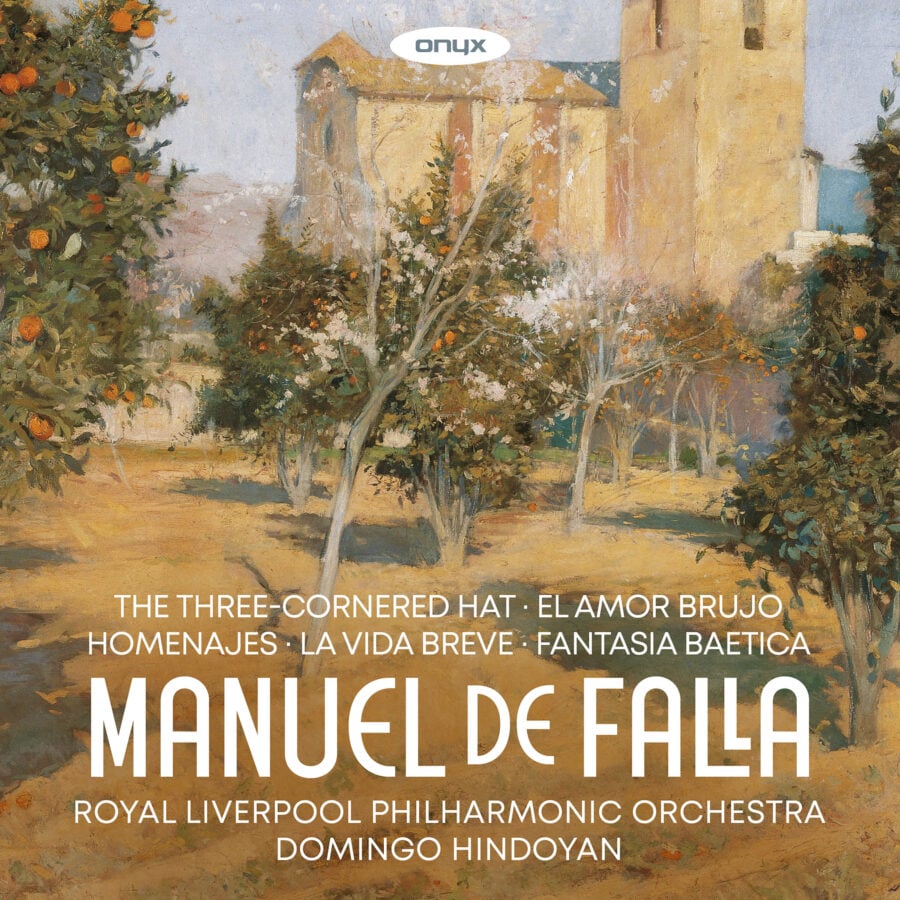
2026 is the 150th anniversary of the birth of Manuel de Falla, arguably Spain’s greatest composer. He has been described by biographer Burnett James as “the most complete representative of the Spanish mind and spirit in music.” Spain for centuries stood apart from Western classical music and produced relatively few composers of stature until the late 19th century. The great Tomas Luis de Victoria in the 16th century and the tragically short-lived Arriaga in the early 19th are the two exceptions. In the late 1800s, Isaac Albeniz introduced a strong Spanish flavor to his music and with Enrique Granados did much to establish Spain in the mainstream of European classical music. However, de Falla absorbed the modern influences of composers he met whilst living in Paris — Ravel, Debussy, Dukas, Stravinsky, Schmitt, and impresario Diaghilev. To celebrate the milestone anniversary, the Royal Liverpool Philharmonic Orchestra with chief conductor Domingo Hindoyan present The Three-Cornered Hat Suites 1 & 2, the Interlude and Dance from La vida breve, Homenajes (tributes to fellow composers like Debussy and Dukas), and an orchestrated version of Fantasia Baetica, one of de Falla’s great piano works composed for Arthur Rubinstein.
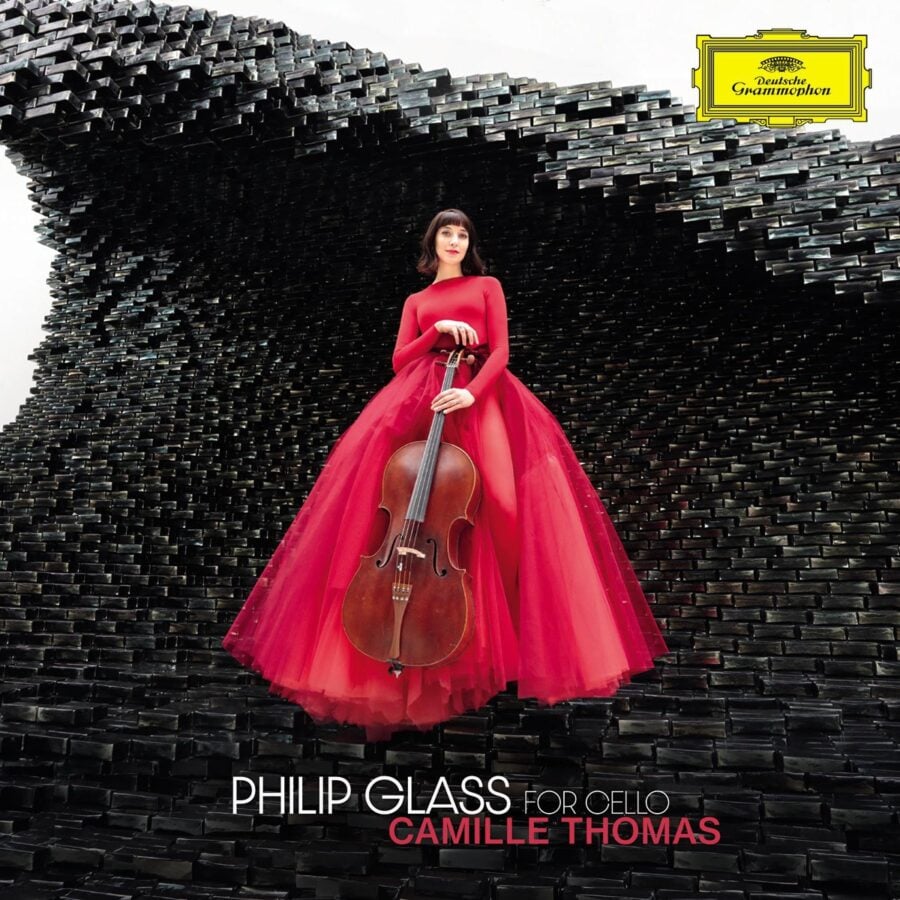
Cellist Camille Thomas celebrates Philip Glass’s upcoming 90th birthday with a deeply personal project. It began with a unique exchange: impressed by her recordings, Philip Glass shared with her the scores of his two cello concertos, sparking the idea for this album. Thomas brings fresh attention to these rarely performed works, from the raw, lyrical power of the First Concerto to a personal reimagining of the Second, drawn from his score for the 2002 film Naqoyqatsi. The program also explores Glass’s iconic film music, with evocative arrangements from The Hours and The Truman Show. Finally, the album includes Glass’s Symphony for Eight and transcriptions of select solo piano Études for cello ensemble or cello and orchestra. In addition to the eight cellists of the ensemble, her collaborators are the Brussels Philharmonic and pianist-conductor Oscar Jockel, who is also credited with four of the album’s arrangements.