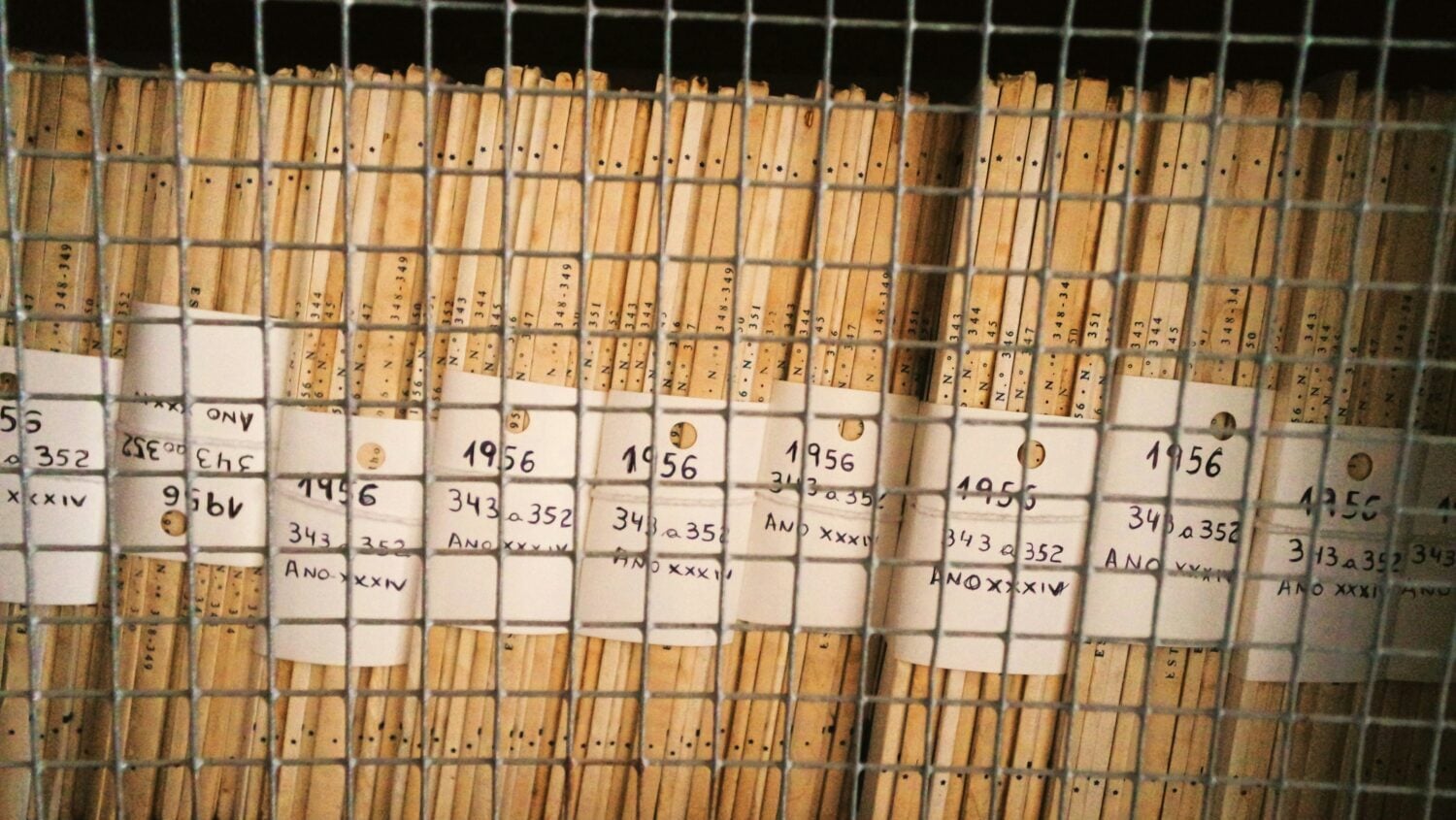
 Georg Philip Telemann is the world’s most prolific composer.
At least, that’s what the Guiness Book of World Records claims. With well over 3,000 pieces, Telemann is widely regarded to have one of the biggest bodies of music in all of recorded history. Yet many folks will argue that measuring a composer’s output isn't just about counting numbers.
Anyone who spends a little bit of time with the question of “productivity” in composers soon finds multiple ways to approach the issue. There’s the conventional route: count the number of pieces written. Then, there’s the nuanced approach. How many hours of actual music were composed? Should short pieces be weighed the same as long operas? Should we take into account years lived in to make things more fair to composers who died young? You can even get super specific (if you really had nothing better to do) and count the number of notes a composer had written. Even the strategy of counting the number of pieces is deceptively complex; there’s always a bit of wiggle room to account for pieces that went missing, were destroyed, or were improperly catalogued.
The question of “most prolific composer” is not as cut and dry as it seems.
So who are the world’s most prolific composers? Here are a few names that consistently make the list.
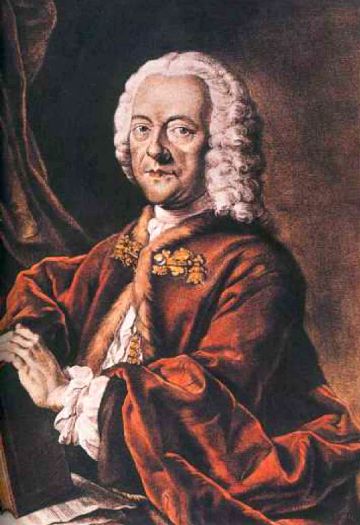
We start, of course, with the Baroque composer Georg Philipp Telemann. The Telemann Werkverzeichnis (Work Catalog) currently lists 3,600 pieces attributed to the composer. Of those pieces, he’s written more than 1,000 cantatas and 600 suites for many different types of instrument groupings. Yet despite this high output of works, the Baroque composer remained relatively underplayed until musicologists rediscovered his pieces while salvaging music from German archives bombed during WWII. Their circumstances of recovery also suggests the possibility that Telemann has written much more than 3,600 - there’s no real way of knowing how many of his manuscripts could have been destroyed during the war, or lost to time.
One of Telemann’s largest bodies of work was his Tafelmusik: a series of instrumental compositions split into three parts (productions in French). Each production follows a similar structure. It opens with an overture with orchestra, followed by a quartet, a concerto for multiple instruments, a trio sonata, a solo sonata, and a conclusion. This music is an example of “table music” or something that would have been played while the court was having a feast.
Orlando di Lasso is a late Renaissance man of mystery, whose output rivals that of Telemann for a few clear reasons. Musicologists suspect he has written somewhere in the ballpark of around 2,000 works, the vast majority of which was written while serving as the “kapellmeister” (leader of chapel music) in the court of Duke Albercht V. Lasso has one of the greatest outputs of Renaissance songs, standing at 525 motets, 196 French madrigals, 144 French chansons, and 92 German partsongs. And these were popular tunes too- it’s suspected that his music accounted for nearly 60% of all music printed in Europe in the second half of the 16th century. Most of all, Lasso was capable of large numbers of complex non-secular output: at least 74 masses, 102 Magnificats, and 4 Passions.
Yet it must be stated that there is much about this Renaissance composer that we still don’t know, from his real name (Orlande? Orlando? Roland?) to the number of his works that were lost or destroyed by time. Yet despite his many mysteries, one thing’s for sure: his contributions to music during the Renaissance era were of much importance.
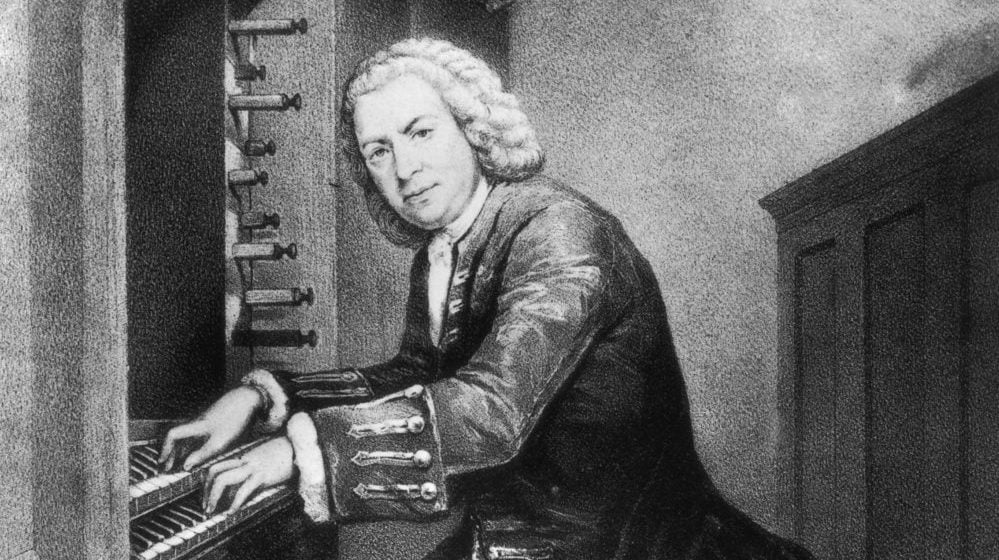
Johann Sebastian Bach playing the organ, circa 1725. From a print in the British Museum.
Now we come to a few of classical music’s biggest names: Johann Sebastian Bach and Antonio Vivaldi. While their numbers aren’t quite as high as the previous two, they’re both heavy-hitters for various reasons.
J.S. Bach’s number of works currently stands around 1,128 - a number derived from the catalogued Bach Complete Works index, plus additions made in the 21st century with works that were properly attributed or found. The actual number is suspected to be higher still, given that Bach wrote a cantata nearly every week while working as cantor of St. Thomas. Many of these include highly complex works, ranging from his books of Preludes and Fugues to larger scale works for choir and orchestra, including 4 passions, 3 oratorios, and 28 concertos. In fact, his B Minor Mass is one of the longest masses ever composed at nearly 2 hours long!
Vivaldi is on the list due to his staggering output of concertos — unparalleled, even to this day. Though many know him from his most famous concerto, The Four Seasons Vivaldi has about 500 concertos to his name. Not everyone enjoys his output of concertos of course: there’s a long-standing orchestra joke that says Vivaldi didn’t write 500 concertos, but wrote the same concerto 500 times. Yet it’s also indisputable that the concerto today wouldn’t be the same without his influence. Vivaldi wrote for pretty much all instrument types and combinations that were available to him in 17th century Italy, with a strong preference for the violin: around 230 of the 500 involve violin soloists in some capacity. His total number of estimated pieces rests at around 800, which includes some 46 operas in addition to his 500 concertos. Sadly, only about 20 of his opera scores have managed to survive to present day, and most of those are incomplete.
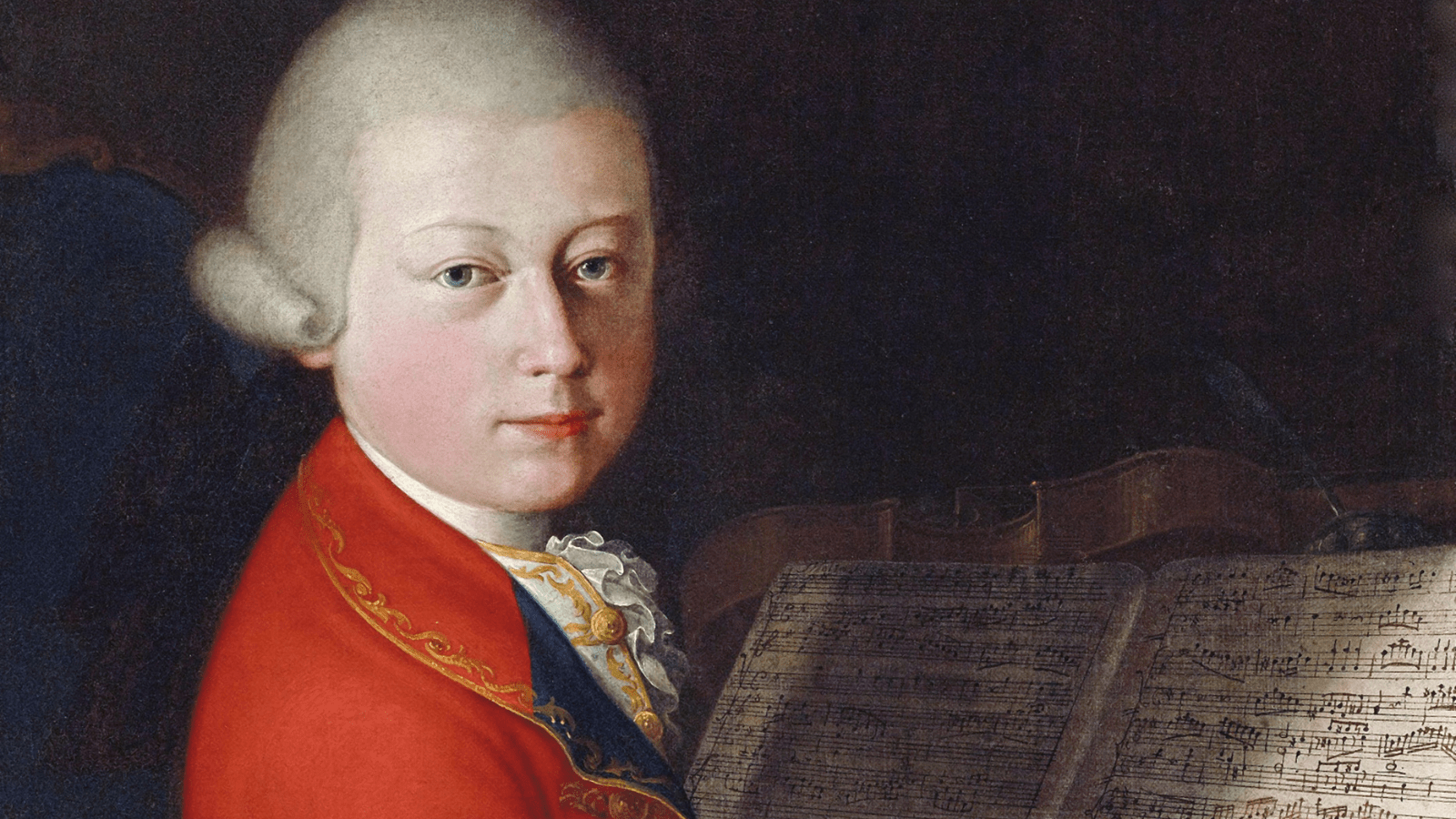
Wolfgang Amadeus Mozart aged 13 by Giambettino Cignaroli, 1770.
Here are two entries that might be a little surprising. Franz Schubert and Wolfgang Amadeus Mozart both passed away tragically early — Schubert at 31, and Mozart at 35 — but this didn’t stop them from leaving behind vast musical legacies.
Schubert was almost unbelievably prolific. It’s estimated he has about 1,500 works to his name, the largest collection of which are his lieder: works for solo voice and piano. While many of these songs are short, they were vital in both popularizing and elevating the genre. Schubert also composed about 4 masses, 7 complete symphonies, and multiple works of other various instrumental music. It’s truly a remarkable feat, especially when considering the final 8 years of his short life were plagued by frequent bouts of worsening illness.
And then, there’s Mozart. Over just 35 years, Mozart put out an estimated 600 works. Mozart’s pieces contain many, many hours of wonderfully composed music. Calculations of Mozart’s recorded works place the number at about 240 hours: one of the highest numbers of all considered classical music, and the highest on this list. This is partially due to how many long works he composed, with 18 masses, 23 operas, 54 concertos, and 68 symphonic works under his belt. Plus, there’s a possibility that we’re missing a large number of Mozart’s works due to destruction (intentional and accidental) by the Mozart family themselves.
So far, all of the composers we’ve listed lived centuries ago. While there are some names that have still managed to produce a large body of work, there are many reasons that composer output seemed to slow down as a whole from the Romantic Era onwards. For one thing, some 19th- and 20th-century trends favored larger, more complex pieces. It was also less popular to use pre-existing hymns or other pieces as the basis of one’s work, a technique that helped many Renaissance and some classical-era composers maintain a larger catalogue of works.
Another influence on diminishing composer creations was simply the shift of cultural values. There is less demand for classical music today than there was 150 years ago, and therefore, fewer opportunities for commissions and collaborations.
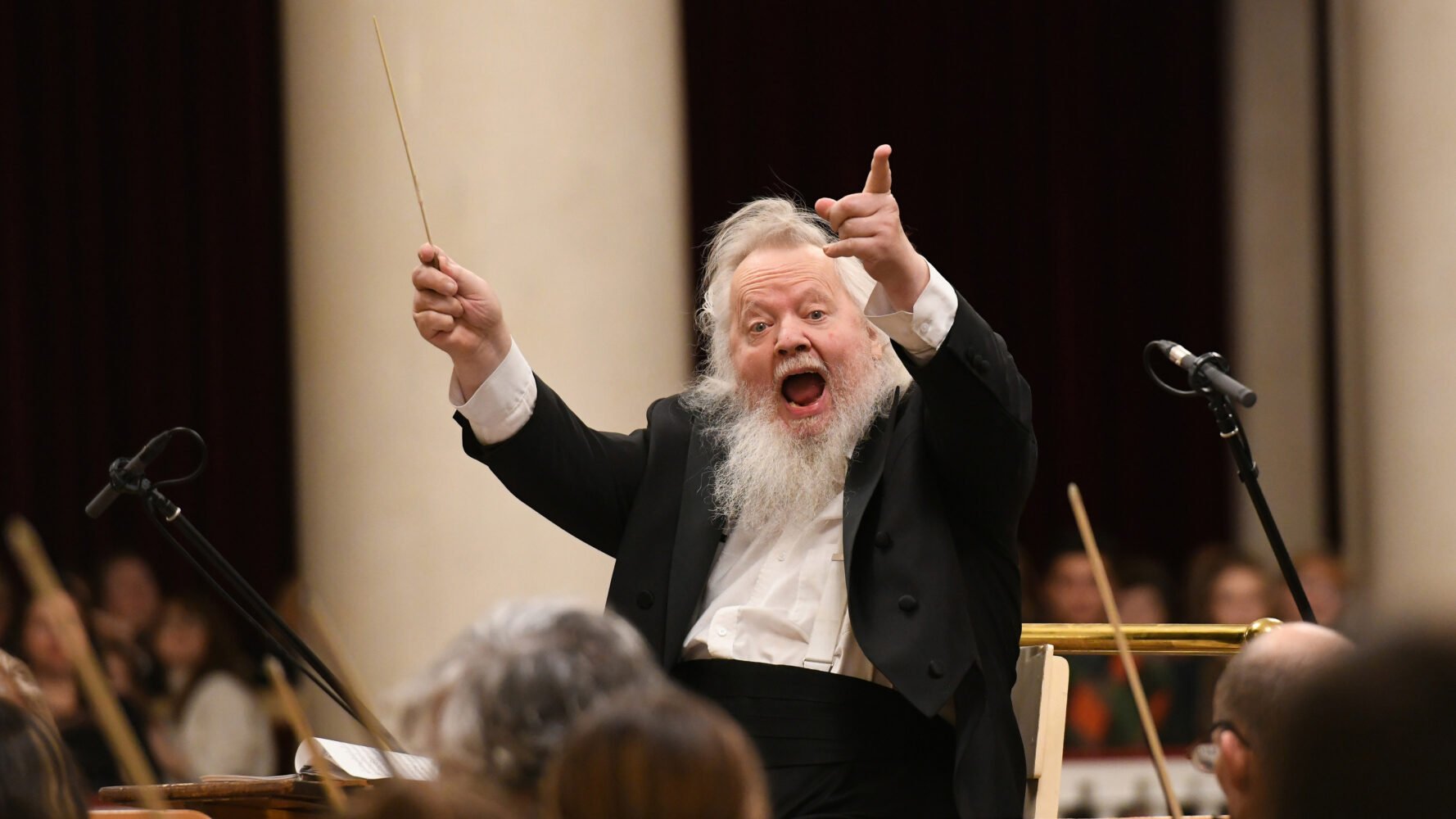
Leif Segerstam (Photo: Anna Flegontova)
Yet despite this, there are a few contemporary composers who nonetheless boast impressive outputs. Leif Segerstam composed 350 single-movement symphonies before his death in 2024. Alan Hovhaness has over 500 compositions to his name, including 67 symphonies. If he hadn’t destroyed many of his early compositions, the number would have been even higher. Also worth noting is Leo Ornstein — a man who stepped back from creating avant-garde piano music in order to found a music school with his wife. The true number of his compositions has never been confirmed: all we know is that it was several hundreds, with some estimates currently around 800 pieces. He’s also one of the few composers to have lived in three centuries (he was born in 1893 and died in 2002).
At the end of the day, comparing numbers and output is just a fun way to categorize and understand composers throughout history. It’s impossible to truly say which composer is the most prolific, just as it's impossible to say which one contributed the most to music history, or wrote the best works of art. Still, we hope this dive into the output of a few famous artists inspires some productivity in your life… and result in further exploration of composers you love.