Two pairs of albums showcase music by George Frideric Handel and works by French composers. Plus, a solo album exploring Hungarian and American music, and a record dedicated to a lesser known 20th-century woman composer.
New Releases Jul. 15: Handel, France, Ellis Island, Elsa Barraine
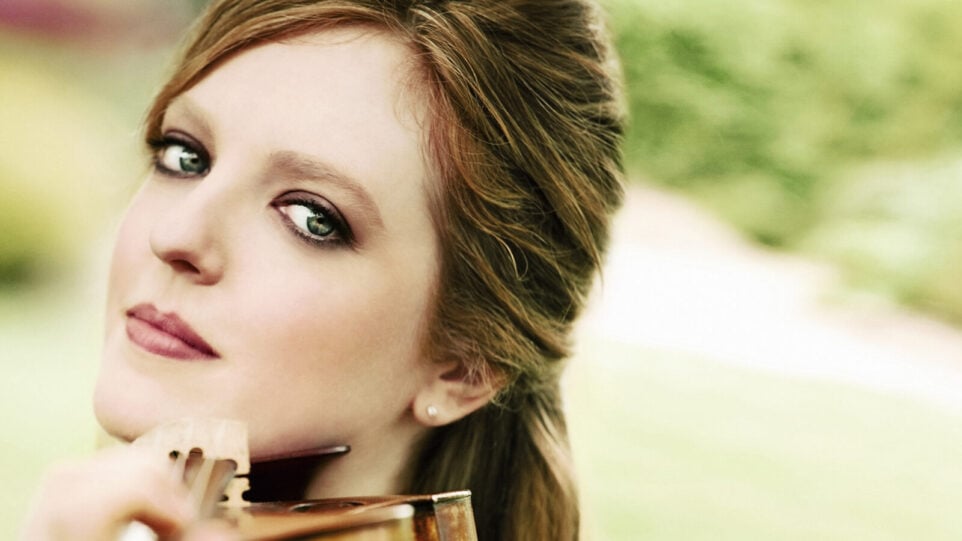
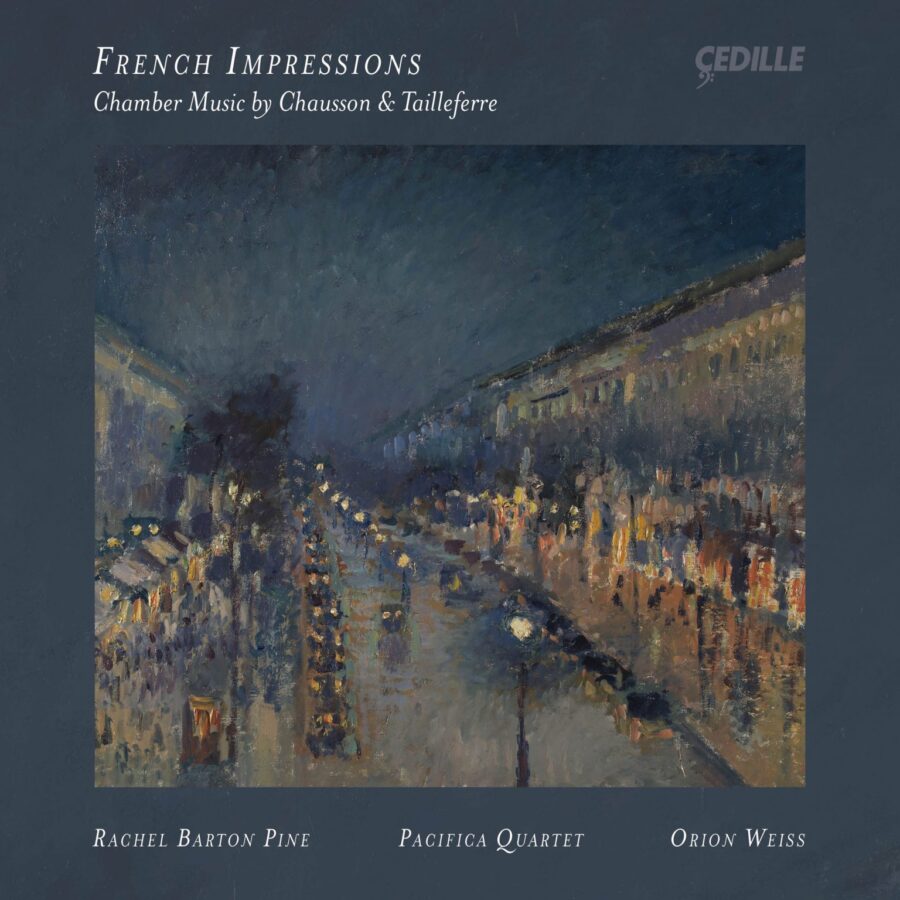
Rachel Barton Pine’s 25th album on the Cedille label unites her with pianist Orion Weiss and the Pacifica Quartet for French music of the turn-of-the-century and early mid-20th century. As a violinist who adores playing chamber music, but isn’t a member of a string quartet, Pine holds special fondness for the centerpiece work on this program: Ernest Chausson’s Concert for Violin, Piano, and String Quartet. The album also features chamber works by Germaine Tailleferre written between 1913 and 1947, including her String Quartet and three works for violin and piano.
“Listening to her compositions, I was struck by their beautiful quality of sounding simultaneously very familiar, yet unexpected,” says Pine. “Each work we chose grabbed me immediately and continues to grow on me the more time I spend with it.”
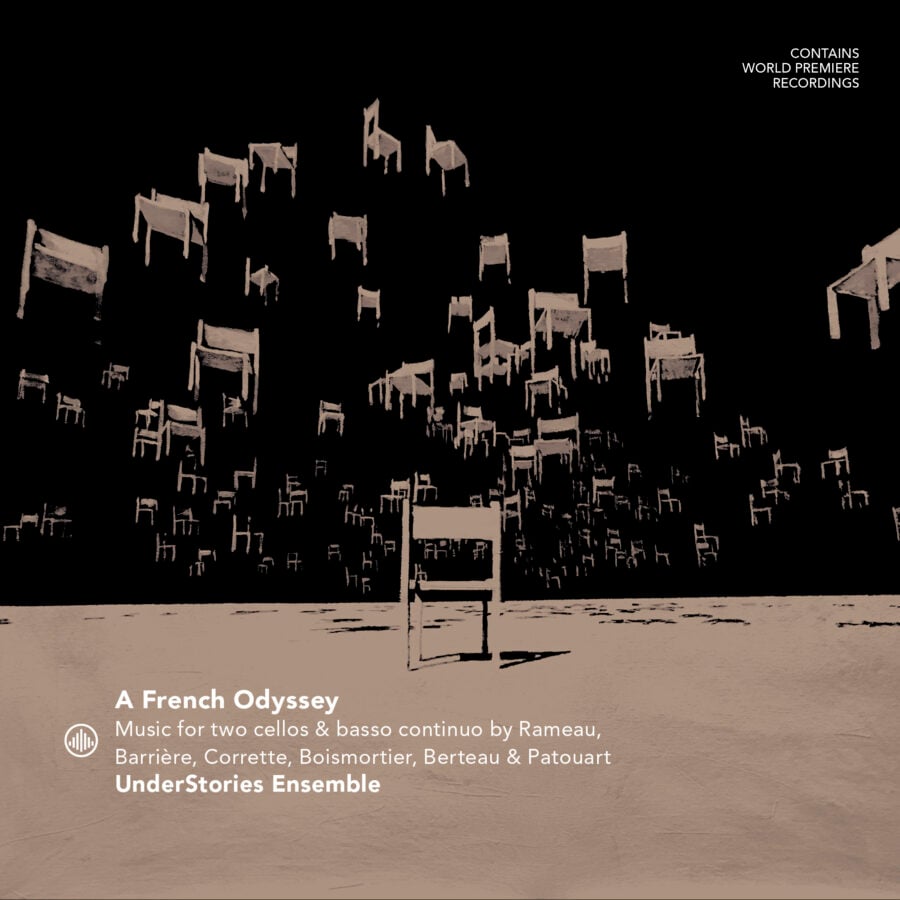
UnderStories is a Baroque ensemble consisting of only bass instruments inspired by the botanical term “understory,” referring to the layer of plants that grow in the shade of the canopy of a forest. Founded in 2018, the group focuses on exploring the rise of the cello as a solo instrument, and especially the repertoire for two concertante cellos in the 18th century. The French-Italian ensemble, initially consisting of two cellos and a harpsichord, decided to add an arpa doppia and a violone to enrich the sound of the group.
Their debut album features music by Louis-François-Joseph Patouart, Joseph Bodin de Boismortier, Michel Corrette, Jean-Baptiste Barrière, Martin Berteau, and Jean-Philippe Rameau.
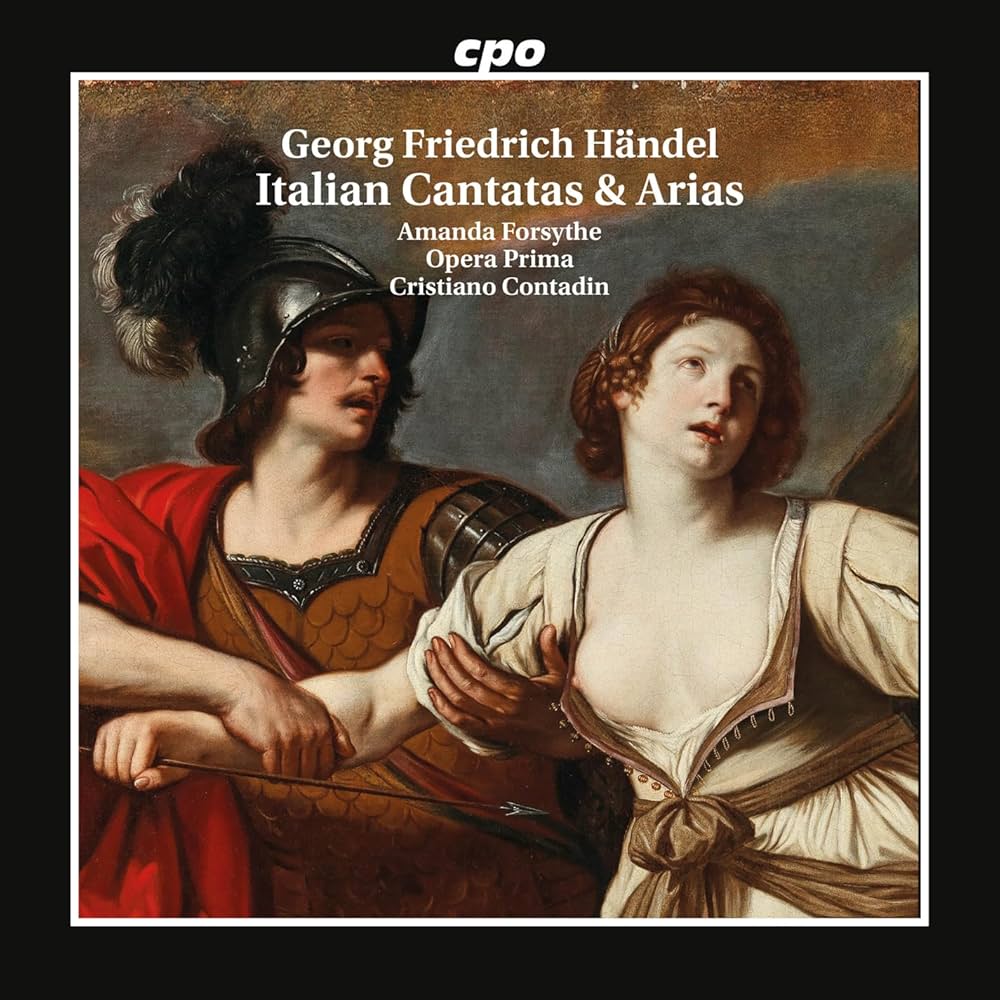
Opera Prima’s second album with soprano Amanda Forsythe features two early works by a young Handel—Armida abbandonata (1707) and Agrippina condotta a morire (1708)—as well as a trio sonata, sinfonia, and selections from his oratorio Il trionfo del tempo e del disinganno. Highly sought-after for her interpretations of Handel, Forsythe is acclaimed for her agile coloratura, exquisite breath control, and inventive ornamentation—qualities that critics have praised in her performances with ensembles like the Chicago Symphony Orchestra, Apollo’s Fire, and the Boston Early Music Festival.
Opera Prima is led by its founder, Italian viola da gamba virtuoso Cristiano Contadin. Dedicated to Baroque and early viol consort repertoire, Opera Prima provides scholarly authenticity and stylish flair both as accompanists for Forsythe and in the instrumental works on this program.
In the summer of 1717, after performing his Water Music during a royal cruise on the Thames, Handel began composing for James Brydges (1674-1744), who became the first Duke of Chandos and created the Cannons Concert at his estate in Cannons. Handel composed eleven anthems and a Te Deum for him, as well as transposing and revising As pants the hart. O sing unto the Lord a new song is an adaptation of an anthem written three years earlier for the Chapel Royal; Have mercy upon me, O God is a paraphrase of the “Miserere”; and the “Alleluia” of Let God arise prefigures the famous Hallelujah chorus from Messiah. The four anthems are performed by Arcangelo under the direction of Jonathan Cohen, Artistic Director of the Handel and Haydn Society (Boston) and Artistic Advisor to the London Handel Festival, where Arcangelo is Ensemble-in-Residence.
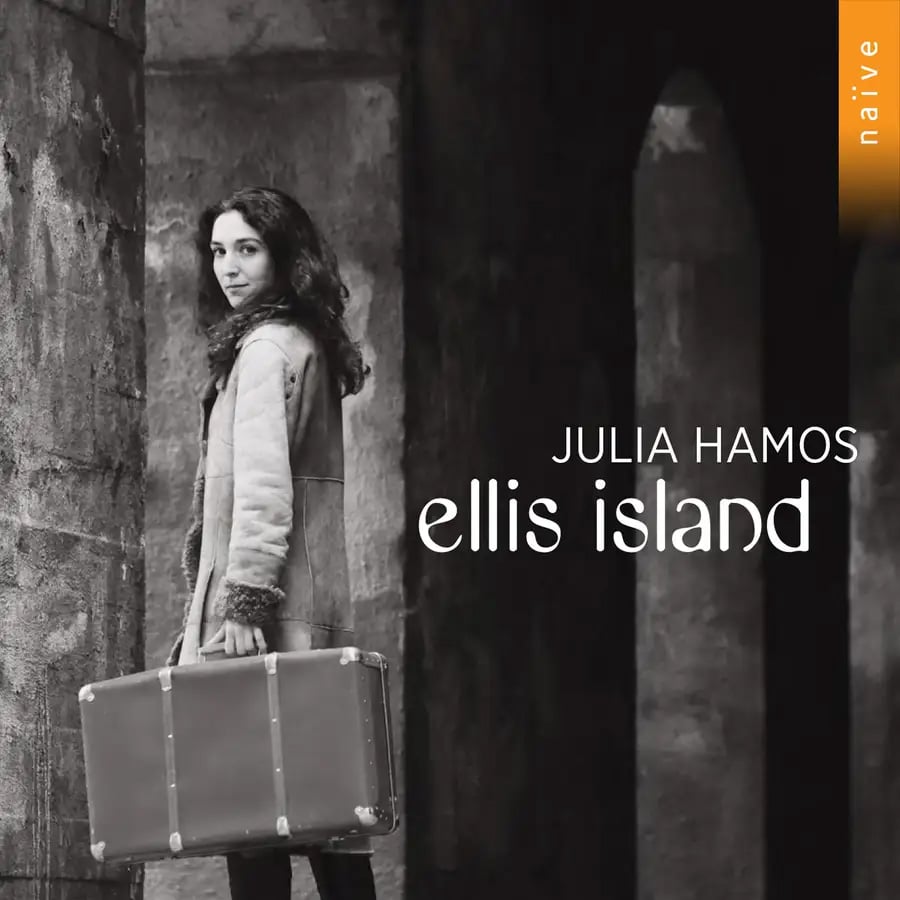
On her debut album, Hungarian‑American pianist Julia Hamos presents a deeply personal musical journey that weaves together her dual heritage. A graduate of Juilliard, the Royal Academy of Music, and Mannes—where she studied with luminaries like Richard Goode and Sir András Schiff—Hamos brings technical brilliance to the miniatures by György Kurtág and Béla Bartók which anchor the program. The repertoire for Ellis Island, which also includes short works by György Ligeti, Charles Mingus, Meredith Monk, and Franz Schubert, is characterized as a sonic odyssey tracing Hamos’s Transylvanian roots, the folk memory of Hungary, and the cultural optimism of New York—evoking “a longing for adventure.”
The WDR Symphony Orchestra under the direction of Elena Schwarz present orchestral works by Elsa Barraine, a composer who has long been unjustly neglected. Born in Paris in 1910 and a pupil of Paul Dukas alongside Olivier Messiaen, Barraine won the Prix de Rome in 1929—a remarkable achievement for the fourth woman ever to receive it. The album centers Barraine’s Symphony No. 1 (1931) and the dramatic Symphony No. 2 “Voïna” (1938). The album includes two shorter works, the tone‑poem Illustration symphonique pour Pogromes (1933) and Mise au tombeau du Titien, composed in 1953 and opening with solo piano playing Dies irae.