The fourth installment in the beloved Beethoven for Three series by Leonidas Kavakos, Yo-Yo Ma, and Emanuel Ax, paired with a glimpse into the rarely heard works of Beethoven’s contemporary Helene Liebmann. Plus, Joyce DiDonato as Dido, early student works by Shostakovich, and a composer who Paul Hindemith described as “the last giant of music.”
New Releases Aug. 26: Beethoven for Three, Shostakovich Symphonies
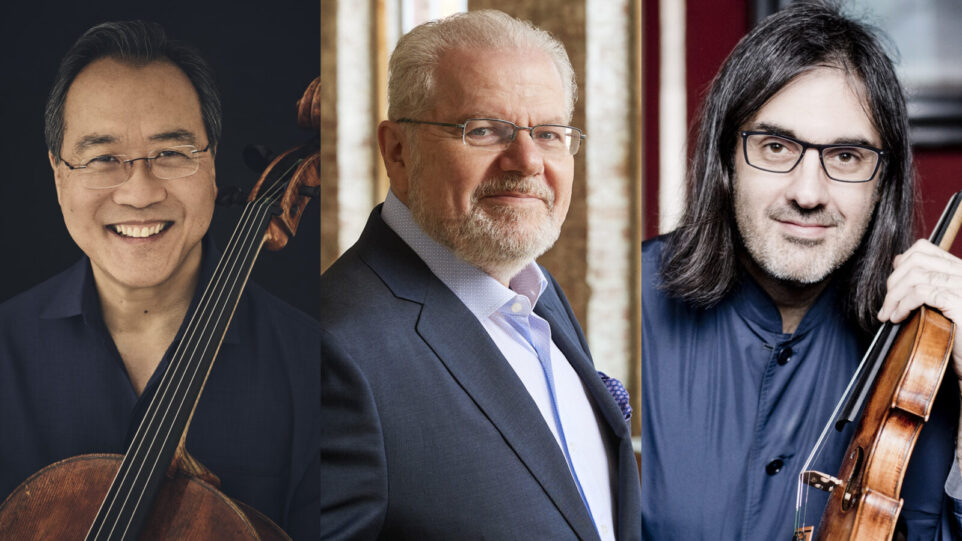
L-R: Yo-Yo Ma (Photo: Jason Bell), Emanuel Ax (Photo: Nigel Parry), and Leonidas Kavakos (Photo: Marco Borggreve)
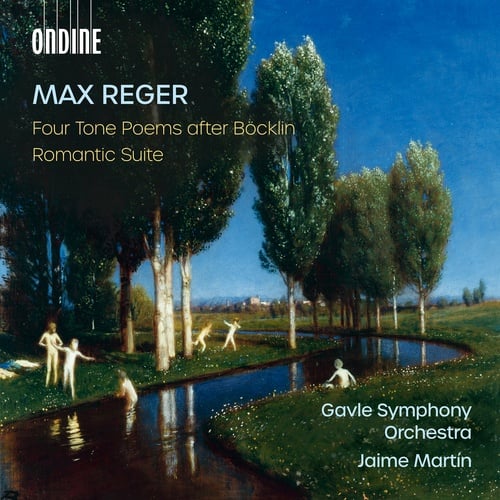
Max Reger’s 150th anniversary was celebrated in 2023, but his music is not often programmed. During his own lifetime, however, he was much esteemed. Paul Hindemith described him as “the last giant of music,” and Schoenberg promoted his music because “he still remains unfamiliar” and “I consider him a genius.” Written towards the end of his life, Max Reger’s Four Tone Poems after Böcklin and Romantic Suite are both sensuous works evoking Debussy, Wagner, and Richard Strauss. Sweden’s Gävle Symphony Orchestra led by Jaime Marttin, generate a lush sound for Reger’s scores that belie the ensemble’s modest size (just 52 musicians). The three-movement Romantic Suite, Op. 125 is new to the WFMT library.
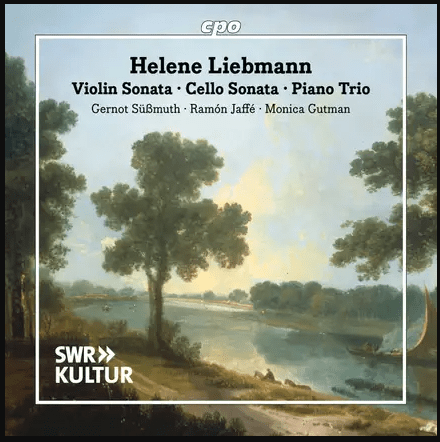
Composer, pianist and singer Helene Liebmann was a contemporary of Beethoven and Schubert, born into one of the wealthiest and oldest Jewish banking families in Berlin and a distant relative of the Mendelssohns. She was an artistic personality who achieved a certain renown in her time and was highly respected as a serious artist. Her name was mentioned in music periodicals and encyclopedias; her solo and compositional activities were praised. Nevertheless, only 20 of her printed works have survived – collections of art songs, sonatas, piano trios, and a string quartet, all published between 1811 and 1817. Violinist Gernot Süßmuth, cellist Ramon Jaffé, and pianist Monica Gutman present three of her works: a violin sonata, a cello sonata, and a piano trio. The Grand Trio in A major, Op. 11 was dedicated to her teacher Ferdinand Ries, a pupil of Beethoven. Beethoven’s influence on Liebmann is occasionally audible in these works. All works are new to the WFMT library.
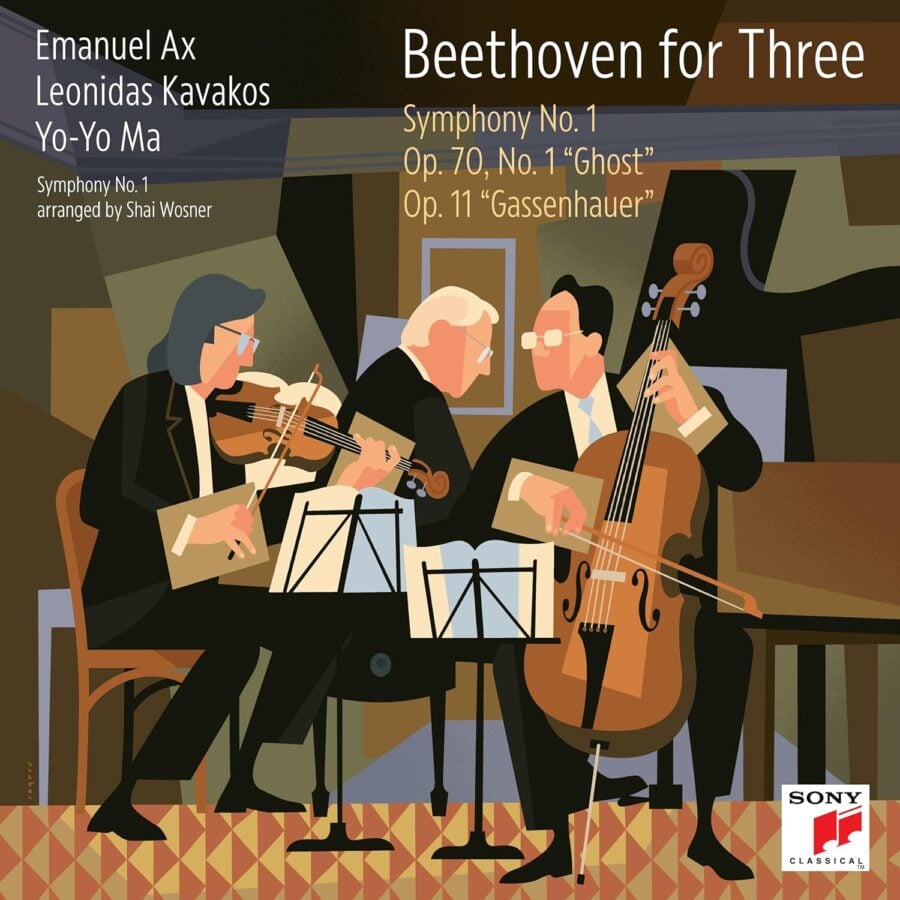
The fourth album in Leonidas Kavakos, Yo-Yo Ma, and Emanuel Ax’s Beethoven for Three series features Shai Wosner’s arrangement of the Symphony No. 1, as well as the “Ghost” (Op. 70, No. 1) and “Gassenhauer” (Op. 11) piano trios. In this series, the three beloved artists perform the symphonies on three instruments alongside the composer’s canonical piano trios, giving audiences a rare look at Beethoven’s compositional language at its most intimate and raw—all while conveying the power and immediacy of his orchestral works. “We all feel that being able to participate in a symphony is such a wonderful thing to do,” says Ma. “One of the things that is really important to do today is to actually go back to the first principles of music, the simple interaction between friends who want to do something together.”
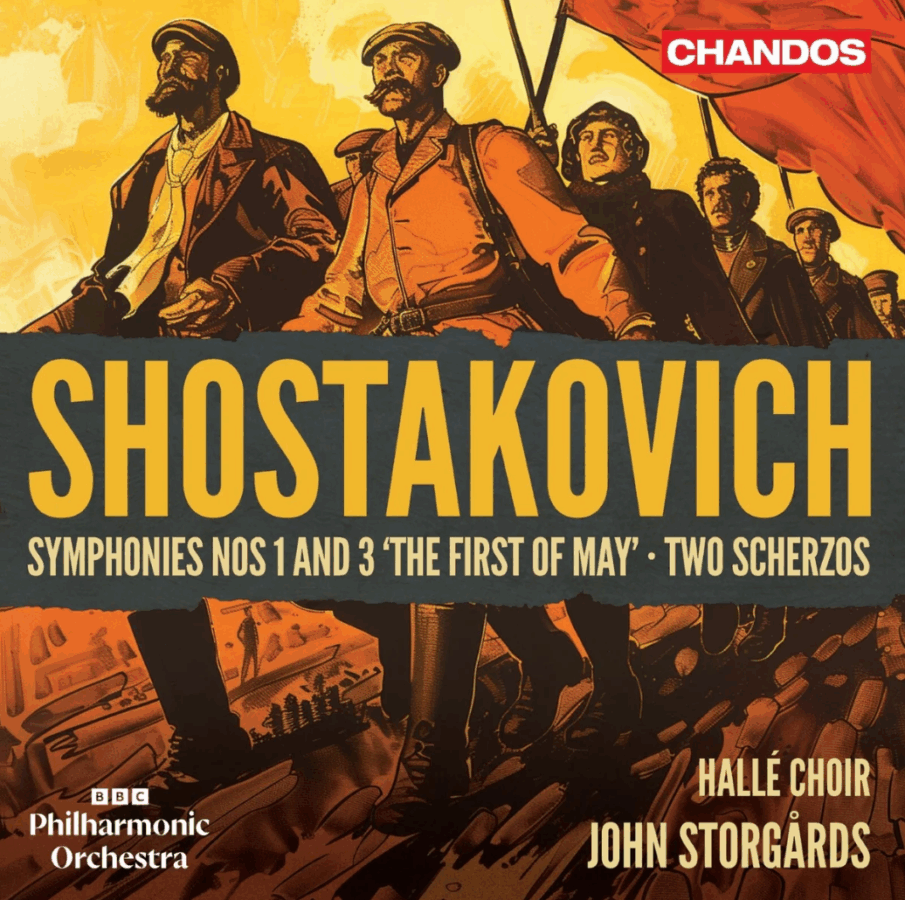
The fifth installment of John Storgårds’s Shostakovich symphony cycle with the BBC Philharmonic contains works written primarily during Shostakovich’s student years. The two orchestral scherzos on the program share links with the later First Symphony, which was composed as a graduation test in composition from the Petrograd Conservatoire. Shostakovich spent two years working on it and the Symphony he eventually produced was an instant success, marking him out among Soviet composers. Written four years later, the Third Symphony shows not only the rapid development of the composer, but the equally rapid change in the world he inhabited. He passed the newly required examination in Marxist ideology in December 1926 and extended his registration as a postgraduate student at Leningrad Conservatoire until early 1930. He submitted the symphony with the explanation that it “expresses the festive spirit of peaceful construction,” already demonstrating his realization that political spin would be crucial to his creative survival.
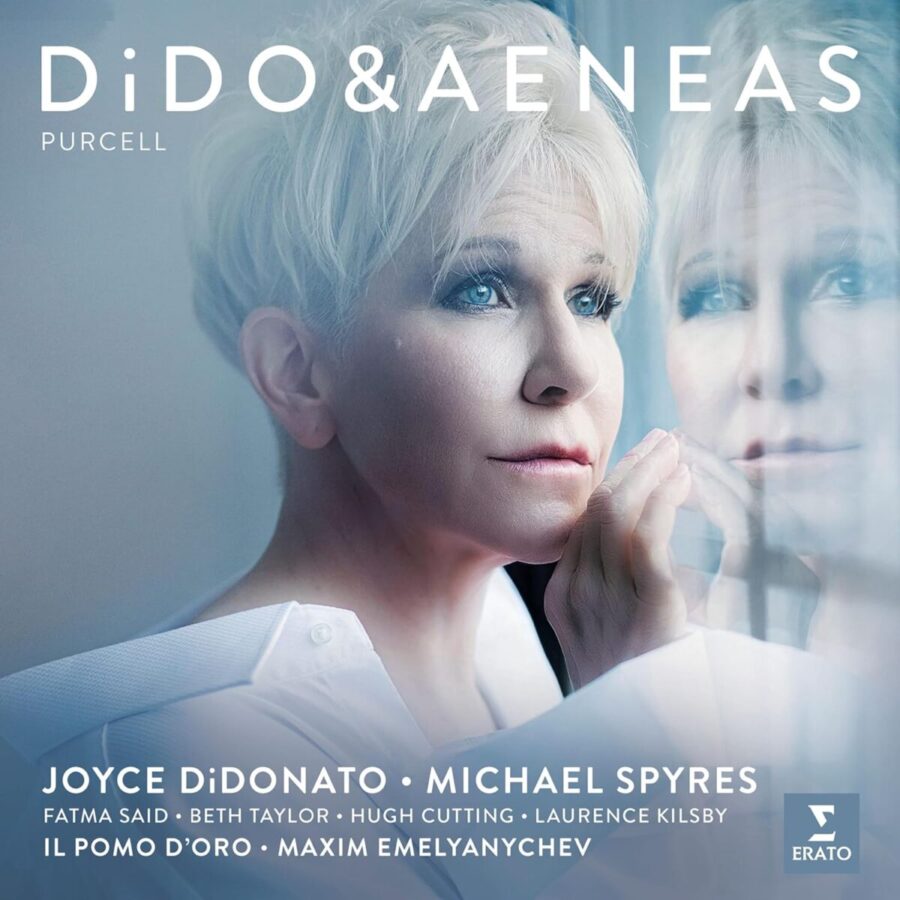
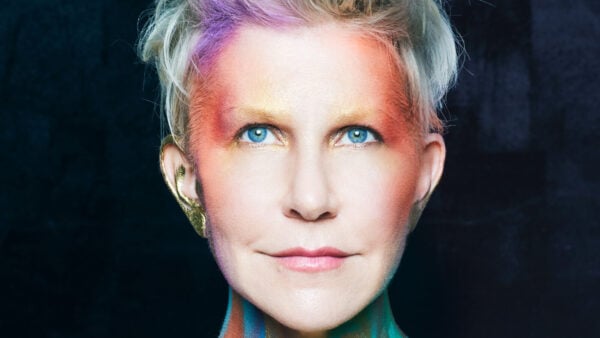
Dido’s famous lament, “When I am laid in earth,” has long featured in Joyce DiDonato’s repertoire – and she has triumphed as the tragic Queen of Carthage in Berlioz’s Les Troyens – but it was in early 2024 that she first performed Purcell’s opera in its entirety. “DiDonato was, as one might expect, magnificent in a role that suits her down to the ground,” wrote The Guardian, “probing Dido’s desire and anguish with singing of characteristically understated subtlety … [She was] the leader of a fine ensemble, as it proved to be an evening of superb singing across the board, both solo and choral.” This new recording preserves the cast of a recent acclaimed tour of Dido and Aeneas with the early music ensemble Il Pomo d’Oro led by Maxim Emelyanychev. The cast includes Fatma Said as Belinda, Michael Spyres as Aeneas, Beth Taylor as the Sorceress, and Hugh Cutting as the Spirit.