A through line of native roots weaves through many of this week’s releases. The Los Angeles Philharmonic presents Gabriela Ortiz’s new composition inspired by a 16th century African prince enslaved in Mexico; Elena-Kats Chernin crafts 1,700 year-old letters from the Silk Road into music for piano and orchestra. Composer, cellist, and vocalist Abel Selaocoe sings in both Sotho and Zulu for his debut concerto Four Spirits, while the Dover Quartet pairs music of Indigenous composers Jerod Impichchaachaaha’ Tate and Pura Fé Crescioni alongside Dvořák’s classic “American” Quartet. Finally, La Rêveuse continues their series devoted to British 18th-century music with a glimpse into the year 1760.
New Releases Sept. 2: Ancient Letters and Songs
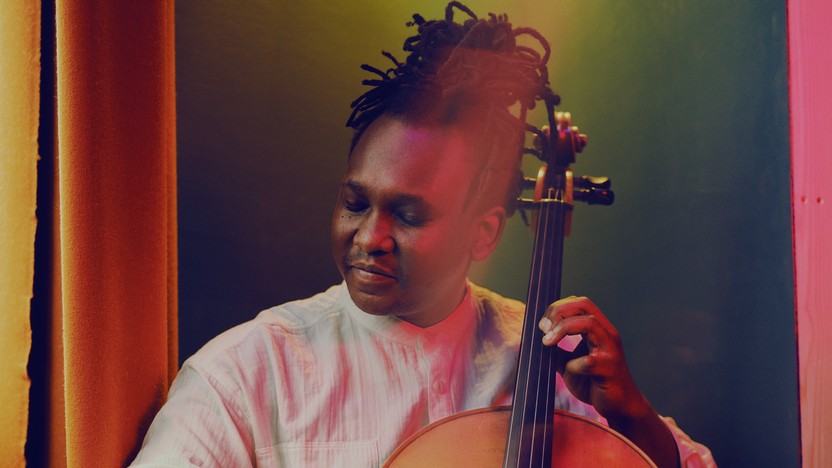
Abel Selaocoe (Photo: Phil Sharp)
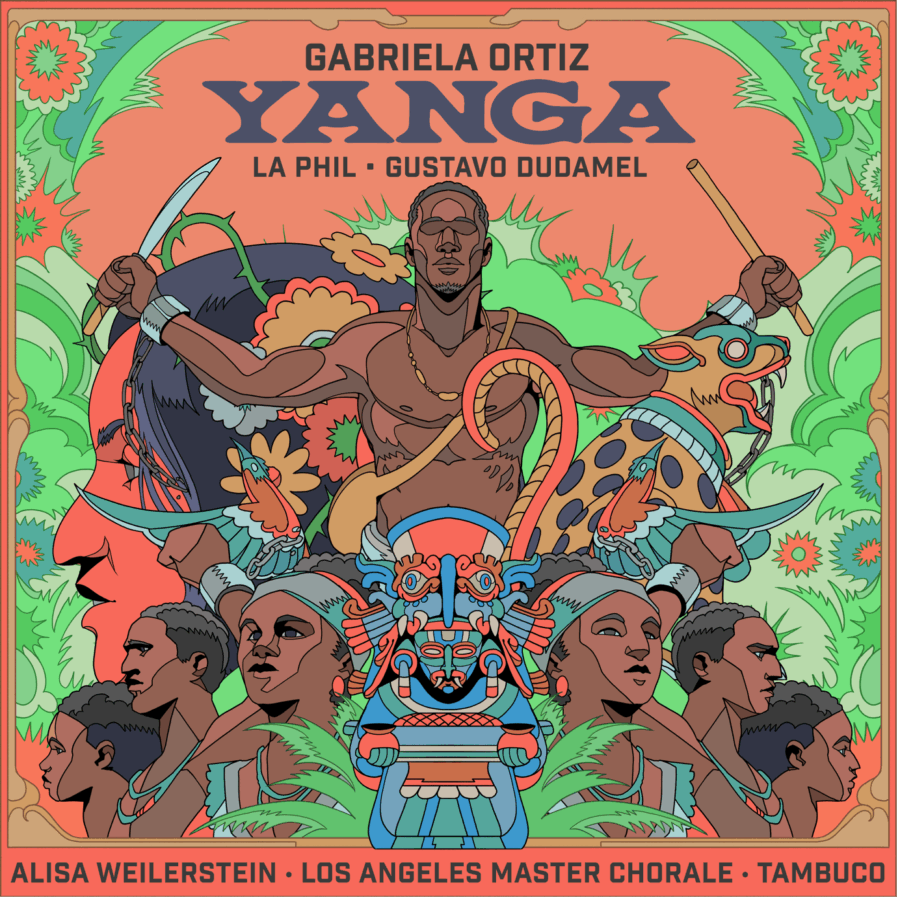
The Los Angeles Philharmonic, and Music & Artistic Director Gustavo Dudamel, present a third installment of their multi-Grammy Award-winning Latin series with an album centering Mexican composer Gabriela Ortiz. Inspired by a 16th century African prince who was enslaved in Mexico, Yanga is composed for choir, percussion quartet, and orchestra. Yanga uses African instruments that arrived in Latin America including batás, guiros, shekeres. and cabasas. Ortiz’s new cello concerto Dzonot was inspired by the cenotes of the Yucatán Peninsula. The work was commissioned by the LA Phil, and written for cellist Alisa Weilerstein, who gave the premiere to wide acclaim. Referring to Chilean composer Violeta Parra, Seis Piezas a Violeta was commissioned by Cuarteto Latinoamericano to celebrate their 20th anniversary and arranged for orchestra at Gustavo Dudamel’s request. Three of the six pieces are inspired by the life of Violeta, while the remaining three are studies in polyrhythms.
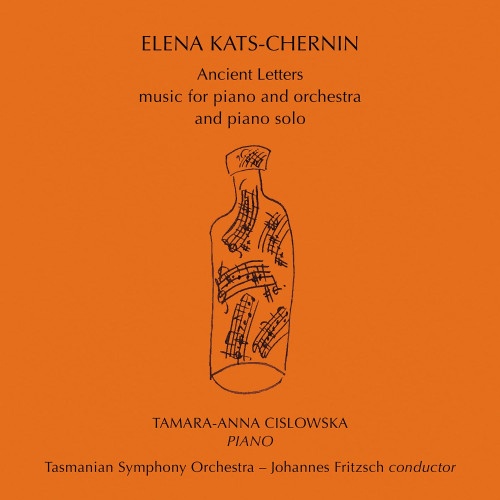
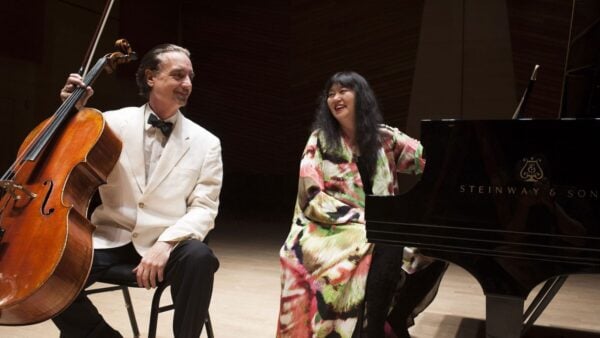
The Tasmanian Symphony Orchestra led by Johannes Fritzsch present the world premiere recordings of two concertos by Elena Kats-Chernin: Ancient Letters, inspired by 1700-year-old letters from the Silk Road, and her third piano concerto, Lebewohl, written expressly for acclaimed Australian pianist Tamara-Anna Cislowska. Kats-Chernin and Cislowska have worked together closely on many music projects and enjoy a rare level of mutual understanding. The album also features a new version of Kats-Chernin’s magical Eliza Aria, reimagined for piano solo and orchestra, along with three solo piano works celebrating the composer’s deep love of the music of Bach: Prelude Machine, Bach Study, and 1720.
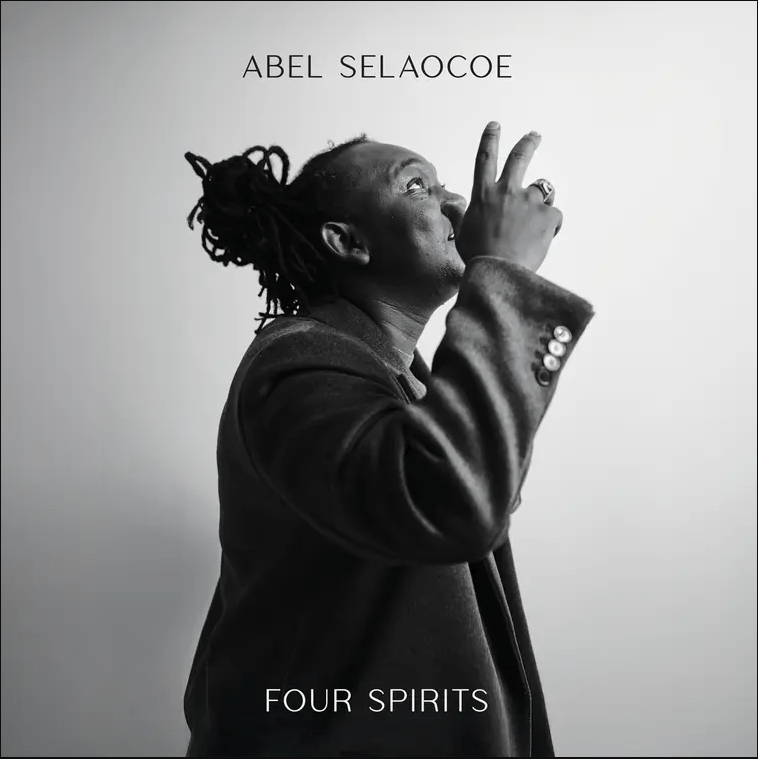
Composer, cellist, and vocalist Able Selaocoe presents his genre-defying concerto Four Spirits, recorded live with the Aurora Orchestra conducted by Nicholas Collon. Commissioned by BBC Radio 3, Seattle Symphony and PhilZuid, Four Spirits reframes the concerto format through a rich tapestry of musical influences rooted in Selaocoe’s South African heritage. Singing in Sotho and Zulu, he interweaves ancestral melodies, improvisation, and rhythmic cello techniques in a deeply personal narrative.
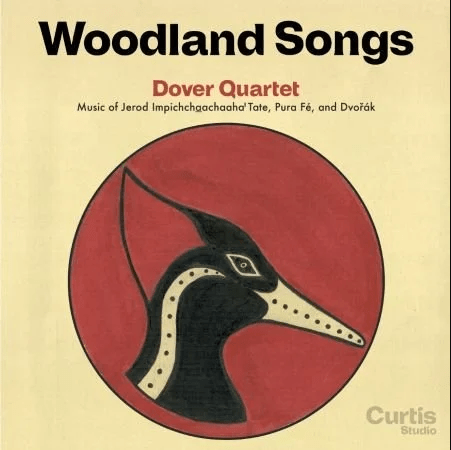
The Dover Quartet presents Antonín Dvořák’s “American” quartet paired with music by Pura Fé Crescioni and Jerod Impichcha̱achaaha’ Tate. “While the three works contrast each other substantially in style, expression, and historical context, they all share the common influence of music native to North America. Jerod Impichchaachaaha’ Tate and Pura Fé Crescioni both find inspiration from the traditional music of their respective tribes and traditions but also imbue their music with wholly original ideas. This was also the case for Antonín Dvořák when writing the “American” quartet—although of course, he was not of Native heritage. Too often we forget that Dvořák’s aim in this piece was to identify an “American” sound by drawing from the melodies of Native peoples and African Americans.” — Dover Quartet
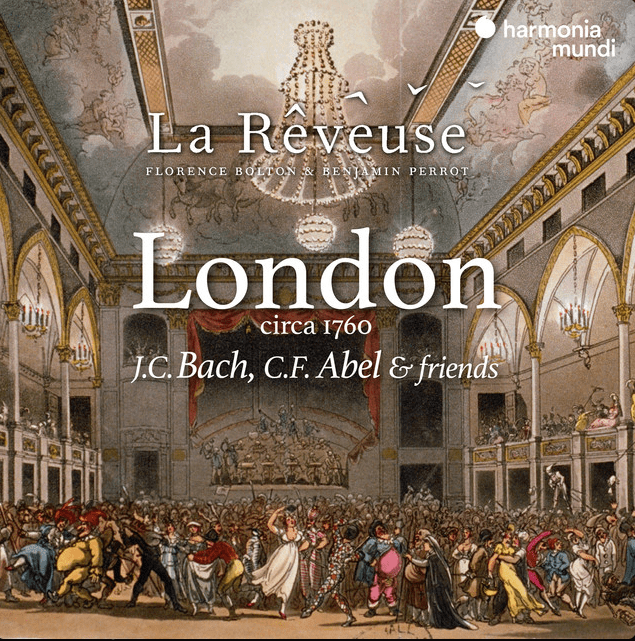
In the latest installment of their series devoted to British 18th-century music, the musicians of period-instrument ensemble La Rêveuse take us to London 1760. Handel had just died and George III acceded to the throne. During his reign with his queen Charlotte, both discerning musicians, musical life in the British capital was to enjoy an exceptional revival. Virtuosos and composers from all over Europe flocked there, vying with each other in originality and modernity. La Rêveuse offers us a chance to sample the heady climate of the age with concertos, sonatas, and other pieces by Carl Friedrich Abel, Johann Christian Bach, Ann Ford, Francesco Geminiani, Rudolf Straube, and Thomas Erskine.