
One of classical music’s most beloved families reunite – all seven of them – for an album full of unique arrangements! In other chamber music news, the Telegraph Quartet returns with the second in their 20th-Century Vantage Points series, and French Ensemble Près de votre oreille (Close to your ear) makes its debut on the Harmonia Mundi label. Edward Gardiner continues his exploration of Carl Nielsen symphonies with a new recording featuring the Bergen Philharmonic Orchestra and clarinetist Alessandro Carbonare. Plus, the first commercial recording of works by Laurie Christman has been released by the London Symphony Orchestra.
New Releases Sept. 16: Spirit of Collaboration

The Kanneh-Masons (Photo: Stuart McIntyre)
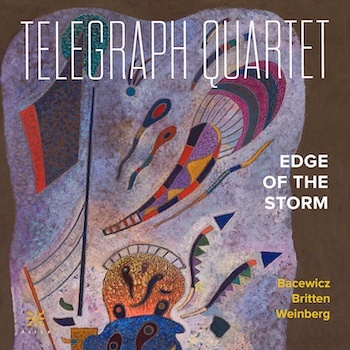
The Telegraph Quartet presents the second volume in its 20th-Century Vantage Points series with a new album examining the turbulent years of war and its aftermath from 1941-1951 through string quartets by Grażyna Bacewicz, Benjamin Britten, and Mieczysław Weinberg. As Kai Christiansen writes in the liner notes, “Each composer featured on the album lived a unique wartime life that unmistakably influenced their equally unique quartet masterworks of the period.” Together, these quartets form a powerful triptych of wartime experience: Britten’s exile and displacement, Weinberg’s direct confrontation with genocide and loss, and Bacewicz’s emergence from underground resistance into post-war renewal.
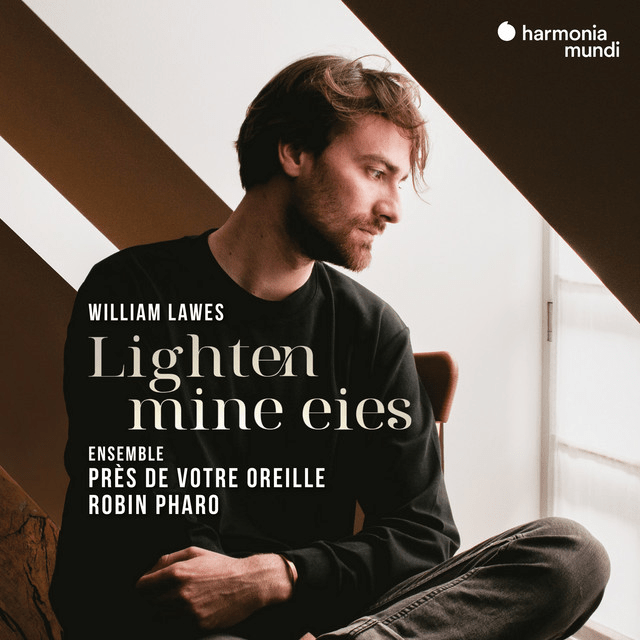
Led by gambist/conductor Robin Pharo, the French period instrument Ensemble Près de votre oreille (Close to your ear) makes its debut on the Harmonia Mundi label with a program of sacred vocal work and viol consorts with harp by William Lawes. The brilliant heir to William Byrd and Orlando Gibbons, Lawes wrote contrapuntal 5- and 6-part works of immense complexity aimed at more experienced musicians and taking the intimate genre of the viol consort to new heights. In his program note, Pharo says “the album, which borrows its title from a psalm attributed to King David (a musician and harpist himself ), forms a musical portrayal of one of the most important of 17th-century English composers, the beauty of whose music should be lastingly recalled – ‘from generation unto generation.’”
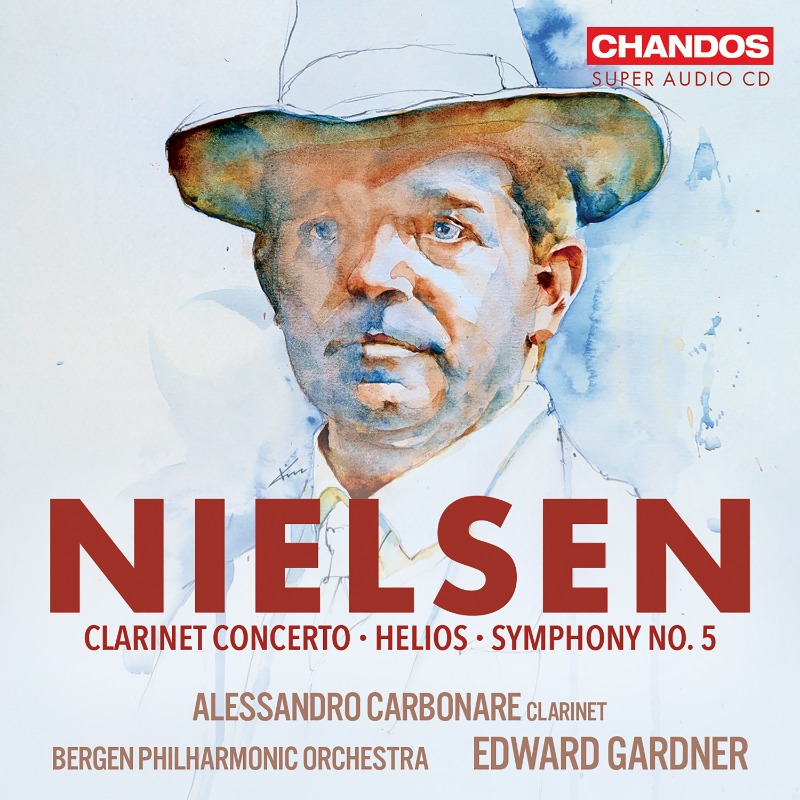
Edward Gardner’s series of Nielsen symphonies with the Bergen Philharmonic Orchestra continues with this recording of the Symphony No. 5 complemented by the overture Helios and the Clarinet Concerto, featuring Alessandro Carbonare as soloist. Composed in 1903 on a trip to Greece, Helios depicts sunrise, noontime, and sunset over the Aegean Sea. The Clarinet Concerto dates from 1928 and is dedicated to Nielsen’s friend Aage Oxenvad, who gave the first performance. Composed between 1920 and 1922, the Fifth Symphony is unusually laid out in just two movements – the only piece by Nielsen to adopt this structure. Unlike his other mature symphonies, the fifth lacks a subtitle, but Nielsen described it as “the division of dark and light, the battle between evil and good” and the opposition between “Dreams and Deeds.” Though often characterized as a “war symphony,” Nielsen insisted that he had not been thinking of World War I while he was composing the work, despite his admission that “not one of us is the same as we were before the war.”
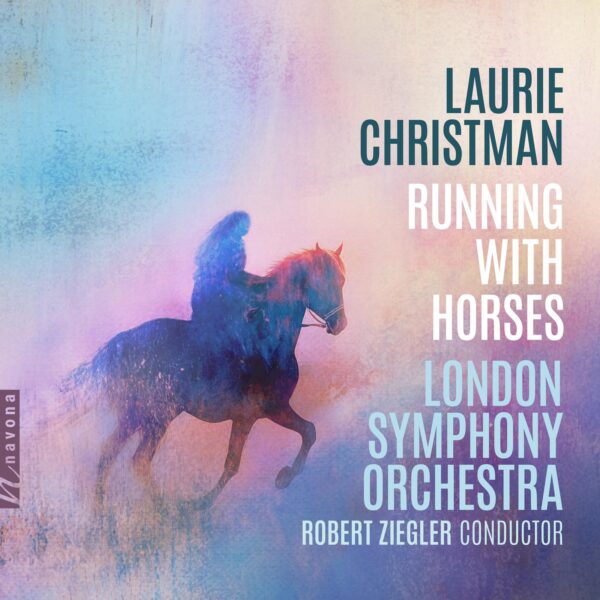
A native of Los Angeles, Laurie Christman was raised in a musical home as her mother had been an opera singer. Her melodic compositional style has been influenced by the music of the Romantic and Impressionist eras. Christman’s compositions embody those musical aesthetics while directing the listener toward a future where concert music continues to be relevant, meaningful, accessible, and inspirational. Nature provides inspiration to much of this collection of six of her orchestral works — the first commercial recording of her works with orchestra — performed by the London Symphony Orchestra conducted by Robert Ziegler.
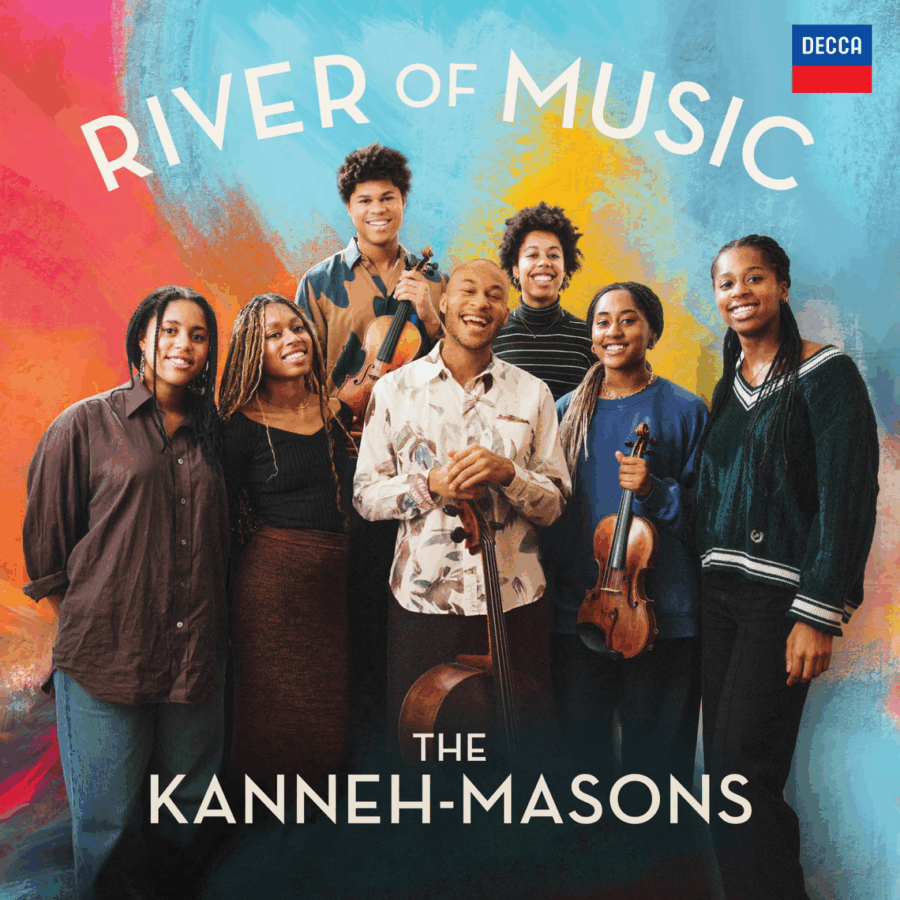
Reuniting all seven of the Kanneh-Mason siblings – Isata, Braimah, Sheku, Konya, Jeneba, Aminata and Mariatu – the family’s second joint album features new arrangements of classical works and folk songs, with the centerpiece being Schubert’s “Trout” Quintet, a beloved family favorite the siblings grew up listening to together. River of Music shares how the Kanneh-Masons’ love of music has been passed on through generations. “This is a story about our family and the sources of our music,” writes Konya Kanneh-Mason, who shares a special family story “Grandad’s Dream” in the album’s liner notes. The program — which includes Samuel Coleridge-Taylor’s Deep River, Braimah and Aminata Kanneh-Mason’s arrangement of Calon Lân, Elgar’s Sospiri, Dvořák’s Song to the Moon, and more — features Hiraeth by Isata Kanneh-Mason, with its title using the untranslatable Welsh word for longing, love, and connection with the homeland.