Many of this week’s new releases highlight soloists from across genres. Celebrated counter-tenor Reginald Mobley pairs up with Chicago lutenist/guitarist Brandon Acker and double-bass/gamba player Doug Balliet for an album bridging the 1600s with the 21st-century. Accordionist Théo Ould releases an album of Astor Piazzolla favorites; pianist Anna Shelest dedicates her new album to her home city of Kharkiv. The debut album of cellist Susanna Mendlow combines traditional folk idioms with original arrangements of works new and old. To round things off, a Czech orchestra playing Czech music: it’s a brand new recording of Dvořák’s entire Slavonic Dances from Simon Rattle and the Czech Philharmonic Orchestra.
New Releases Oct 7: Stunning Soloists
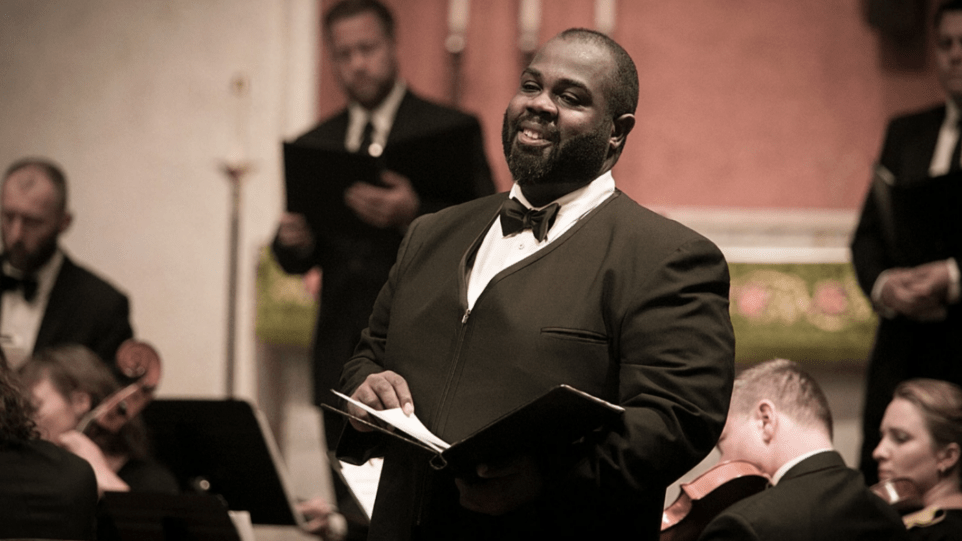
Reginald Mobley (Photo: Gary Payne Photography)
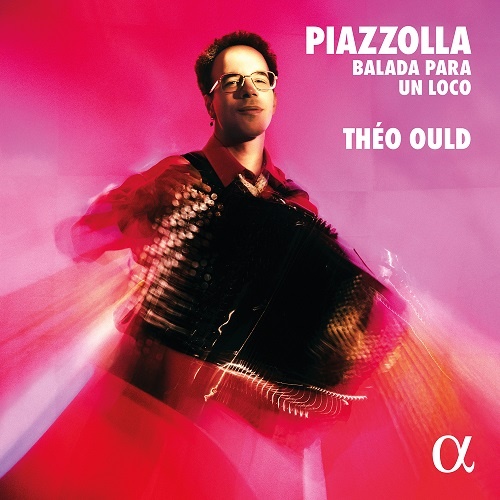
Accordionist Théo Ould became, at the age of 24, the first accordionist to be shortlisted as a “Newly Discovered Talent” at the Victoires de la Musique Classique awards. Le Monde raved: “Served by a masterly technique (an unbelievably supple left hand and an inexhaustible wealth of phrasing), Théo Ould’s interpretations show a personality expressing itself naturally in terms of the imagination, with all the enchanting freshness that word implies.” Twenty years after first hearing Piazzolla’s Libertango at the age of 6, Ould’s second solo album is dedicated to the Argentine composer, joined by the Bilitis quartet, double bass player Blanche Stromboni, and mezzo-soprano Marina Viotti. Ould’s upcoming fall tour includes a solo recital at Barrington’s White House in Barrington, IL.
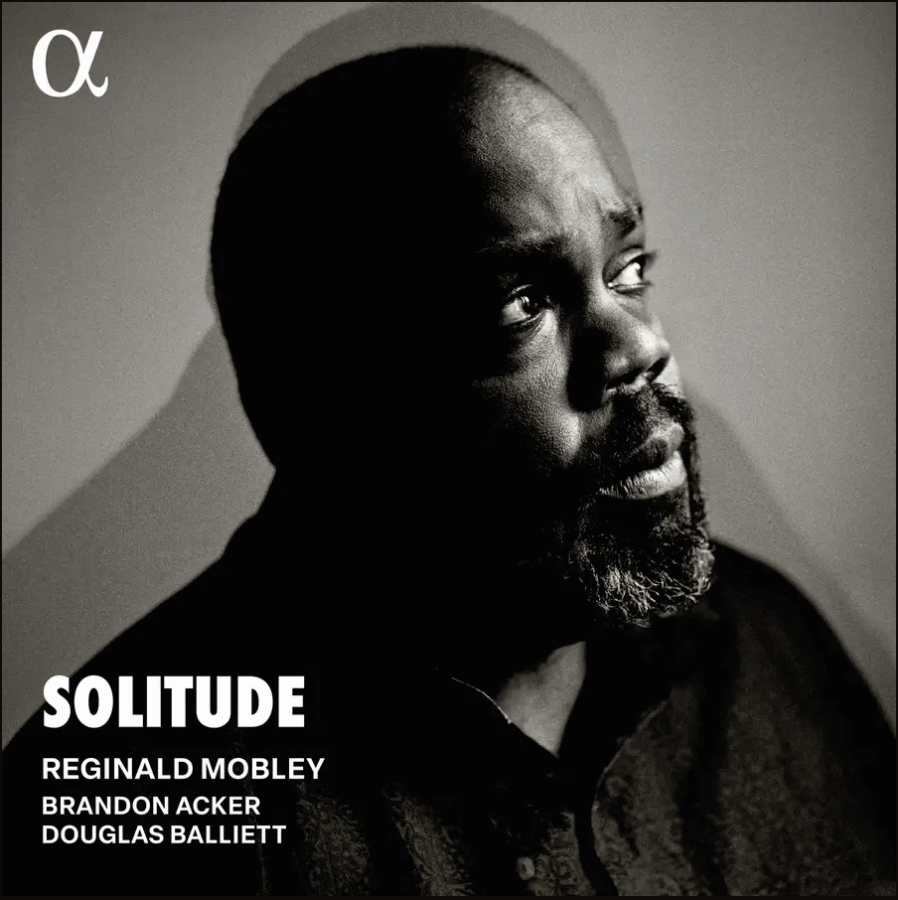
Countertenor Reginald Mobley’s Grammy-nominated (and Opus Klassik award-winning) album Because explored the roots of American music blending jazz, soul, blues, and classical genres. Collaborating with Chicago-based lutenist/guitarist Brandon Acker and double-bass and gamba player Doug Balliet, Mobley’s new album features English lute song by Purcell, Dowland, and Eccles, alongside song arrangements by Virginia-born guitar virtuoso, abolitionist, and composer Justin Holland (whom Mobley describes as ‘a spiritual successor to Dowland’). The centerpiece is a sequence of songs on texts by African American haiku poet Crystal Simone Smith which explore “the indomitable resilience contained in the tale of a runaway slave,” composed by Jonathan Woody and Douglas Balliett.
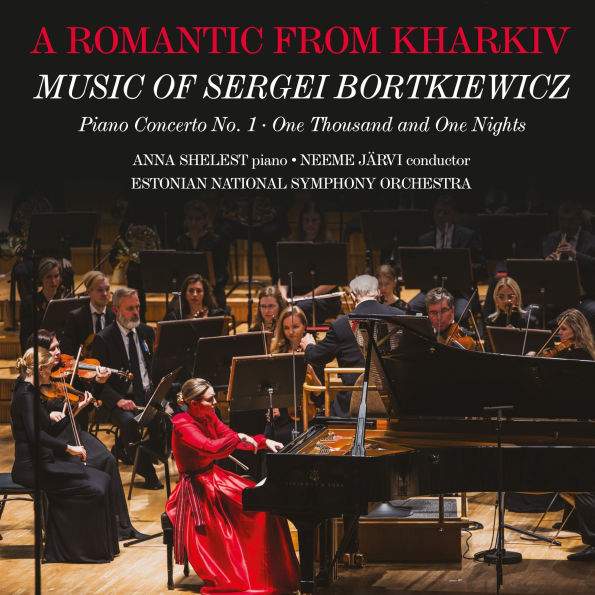
Pianist Anna Shelest presents an album dedicated to her home city and the music of fellow Kharkiv-native Sergei Bortkiewicz (1877-1952). Anchored in a deep sense of nostalgia, Bortkiewicz’s works evoke a world imbued with dreams and elegance—a stark contrast to the chaos of the early 20th century that surrounded him (the First World War, the Russian Revolution, and the unrelenting horrors of the Second World War). The composer’s life and career reflect the multiethnic, multilingual, and politically complex tapestries of Ukraine during his time. Unabashedly Romantic in style, the program centers the Piano Concerto No. 1 with the Estonian National Symphony Orchestra led by Neeme Järvi; and One Thousand and One Nights, Oriental Ballet Suite for solo piano. Two short works for solo piano round out the album: “Lamentation” and “Nocturne.”
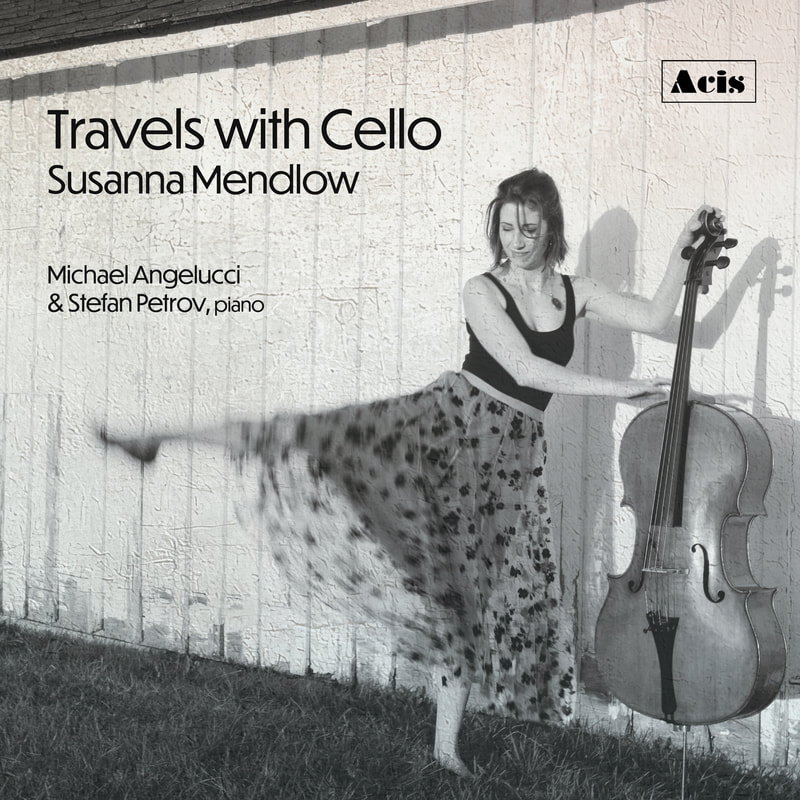
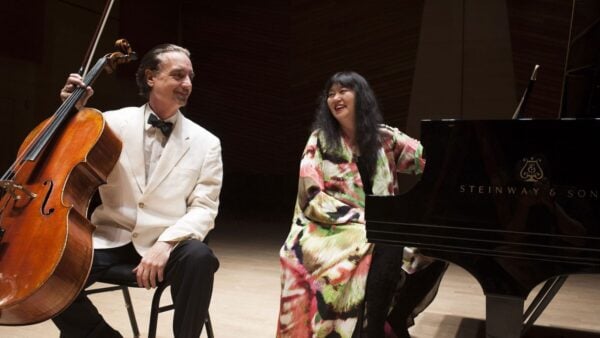
Cellist Susanna Mendlow presents her debut solo album that offers a unique musical tour of select styles, guiding the listener through a blend of original arrangements, works infused with traditional folk idioms, and contemporary premieres. It features music by Sulkhan Tsintsadze, Noam Faingold, Julia Adolphe, Astor Piazzolla, and Felix Mendelssohn — much of it never-before recorded for cello and piano. The selections reflect Mendlow’s multifaceted career both as a performer who bridges classical technique with improvisation, folk traditions, and new music and also as a skilled arranger who showcases the cello’s ability to handle music written for other instruments. Pianist Michael Angelucci collaborates on the Mendelssohn Sonata in F, while Stefan Petrov accompanies Mendlow on the other selections for cello and piano.
The Czech Philharmonic led by Principal Guest Conductor Rattle present the set of sixteen pieces which Dvořák composed between 1878 and 1886, taking inspiration from Brahms’s Hungarian Dances. Originally written for piano four hands, the first set of Slavonic Dances were orchestrated soon after publication at the request of Dvořák’s publisher Simrock, who also commissioned the second volume; the pieces played a significant role in cementing Dvořák’s reputation as a leading composer. Of the orchestra’s acclaimed recording of Dvořák’s Symphonies Nos. 7–9, The Times raved, “everything is as it should be when Czech musicians play Czech music.”