In 1725, four Native American chiefs crossed the Atlantic Ocean with one of their daughters and a Native slave to visit France and meet King Louis XV, an ally who nominally ruled over the Louisiana Territory in which they resided. They came from the northern part of the territory known as the Illinois Country, and one of them was Agapit Chicagou, chief of the Mitchigamea.
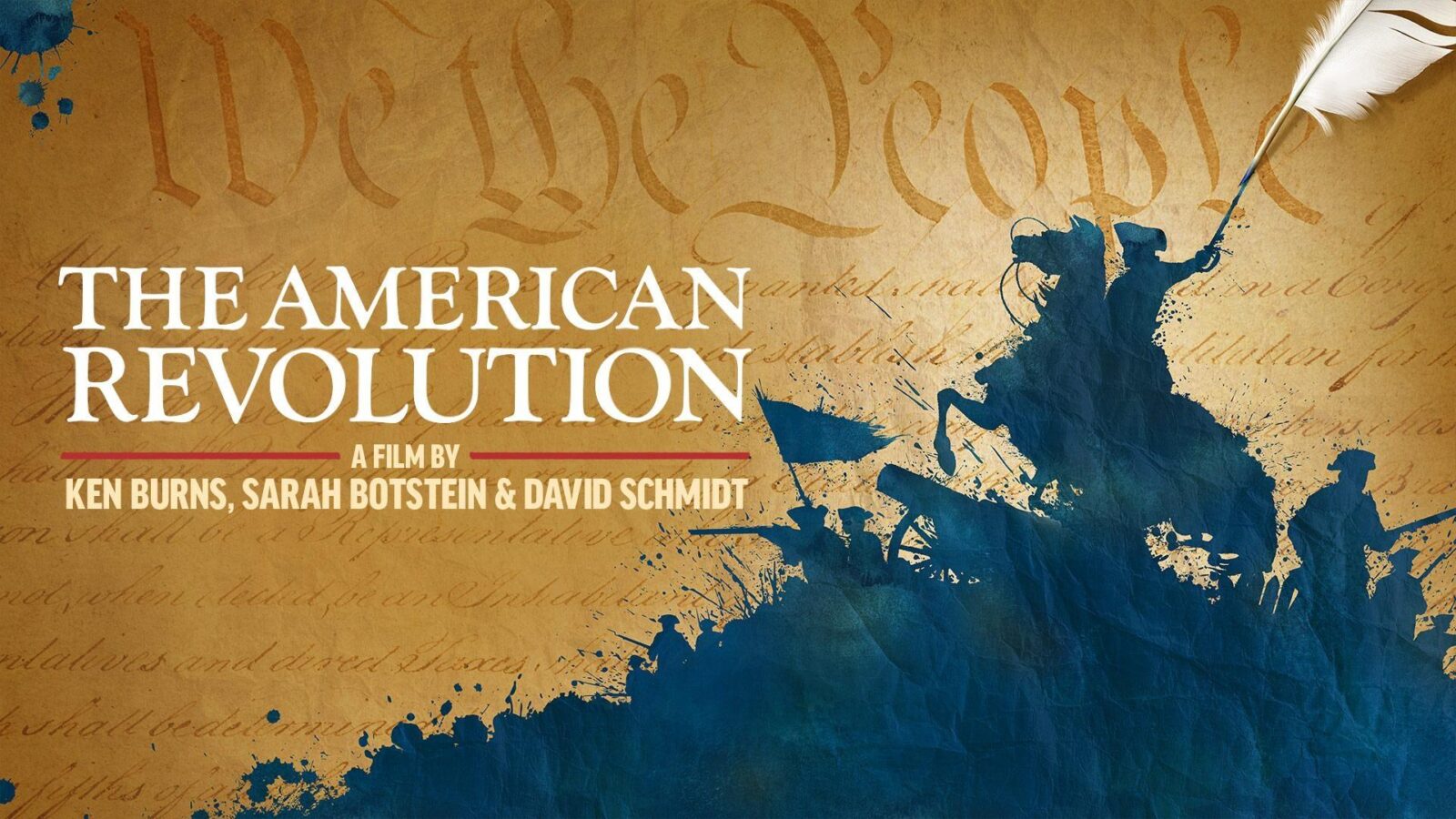
While in France, they hunted with the king and performed dances at a theater in Paris. The composer Jean-Philippe Rameau witnessed the dances and was inspired to create a piece for the harpsichord that he titled “Les Sauvages,” transmuting his impressions of Native American tradition into a Baroque French courtly dance. This piece undergoes further transformation on the soundtrack to The American Revolution, the new, six-part PBS documentary from Ken Burns, Sarah Botstein, and David Schmidt that begins on WFMT's sister station WTTW and the PBS app on Sunday, November 16 at 7:00 pm and every evening at 7:00 pm through Friday, November 21. Yo-Yo Ma plays only the melody of the keyboard piece, slowing it down to a noble expression of contained grief.
Les Sauvages by Jean-Phillipe Rameau, arranged by Justin Messina and performed by cellist Yo-Yo Ma.
A contemporary reinvention of a French Baroque piece inspired by Native Americans is a fitting accompaniment to The American Revolution, reflecting both the international scale of the conflict – the French and Native Americans were important players in the war between the revolutionaries and the British – and the way in which a historical documentary uses contemporaneous sources to look back at the past from the vantage of the present.
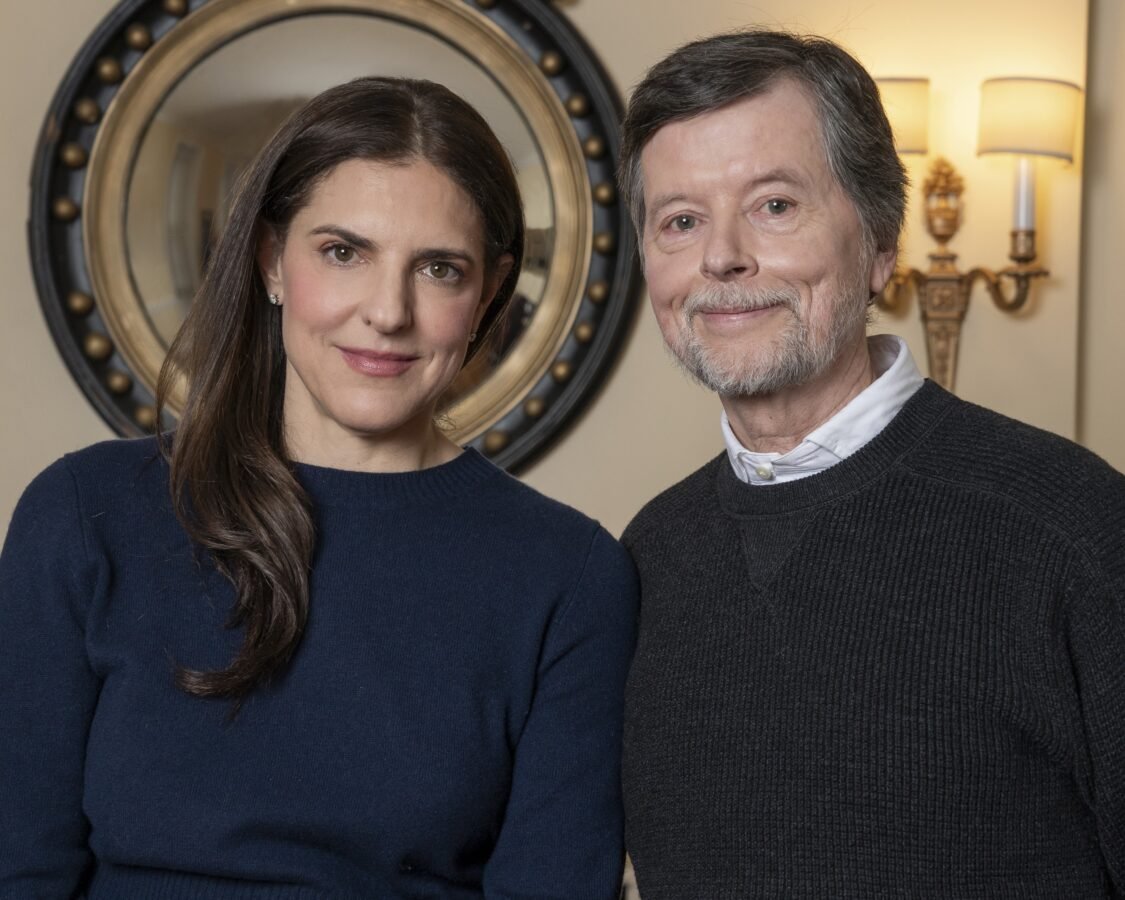
Portrait of Ken Burns and Sarah Botstein for their new film, “American Revolution." (Photo: Stephanie Berger)
“We said to Yo-Yo Ma, ‘You do the Silkroad,’” Botstein told WFMT, referring to the nonprofit and group established by Ma and now headed by Giddens that promotes intercultural artistic exchange. “We’re going to do the soundtrack of North America.”
Botstein is the daughter of Leon Botstein, the musicologist and conductor who leads Bard College, and she and Burns regard music as an essential component of their documentaries.
“Music is central to filmmaking,” Burns told WFMT. Rather than squeezing the music in after the film has been edited and reached a near-final form, they incorporate the soundtrack early on in the editing process. “We’re more than happy to change a bit of narration or trim a shot so that it fits a phrase of music,” Burns says.
“From the very beginning, music is determining the pace and rhythm of a scene,” he adds, describing music as “artistic nitroglycerin” that can supercharge a visual medium like film.
“In a way, our job might be to wake the dead, to figure out how to take the inanimate painting, drawing, map, landscape that does not have the armies passing through it, and make it come alive,” he says. “One of the ways they can do that is music, which has a vivifying presence…I’m not ashamed to say how pitiful we are in comparison to the power of music.”
Get a behind-the-scenes look at the making of the soundtrack to The American Revolution in this video, and listen to WFMT's interview with Burns and Botstein, conducted by WFMT producer Cydne Gillard, below.
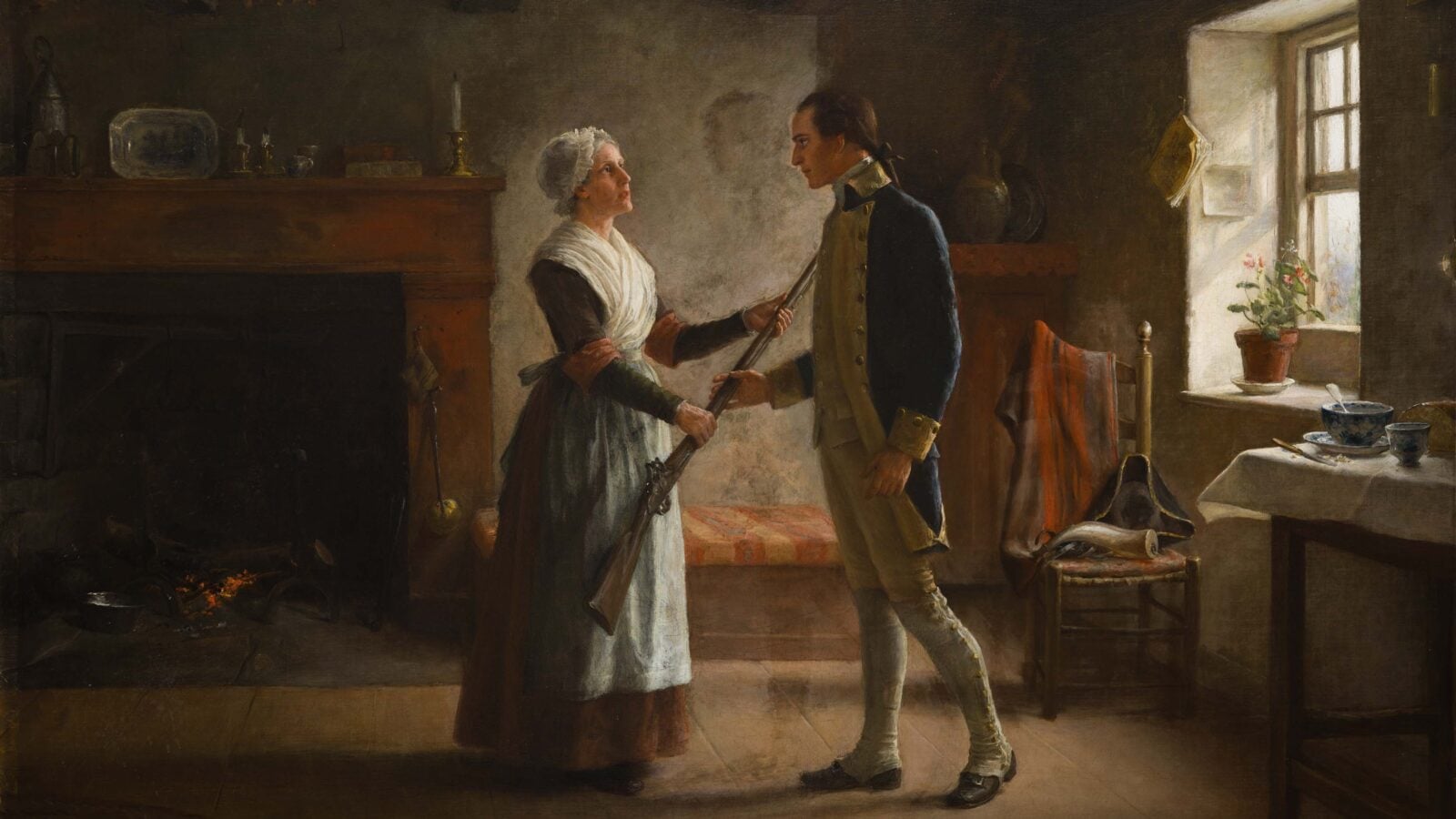
A revolutionary soldier bidding farewell to his wife. Painting by Jennie Augusta Brownscombe. (Credit) William R. Koch)
The American Revolution, the new 6-part film from Ken Burns, begins on WTTW on Sunday, November 16 at 7:00 pm. Visit WTTW's companion website for a viewing guide and more.