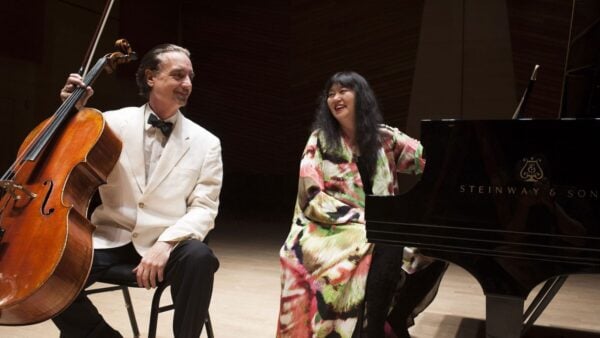
Pianist-composer Hayato Sumino, violinist Linda Hedlund, and mezzo-soprano Joyce DiDonato with Time for Three present world premieres. Hayato Sumino, a pianist and composer who garnered international acclaim after the 2021 International Chopin Competition, pairs his original compositions with the Chopin pieces that inspired them. Linda Hedlund joins La Tempesta Orchestra for not one, not two, but six world premiere recordings. Finally, Pulitzer Prize-winning composer Kevin Puts sets the poetry of Emily Dickinson to songs written specifically for Time for Three and soprano superstar Joyce DiDonato. In other releases, the BBC Philharmonic continues its celebration of Edward MacDowell, and Trio Wanderer explores music of the Art Nouveau era.
New Releases Jan 27: World Premieres
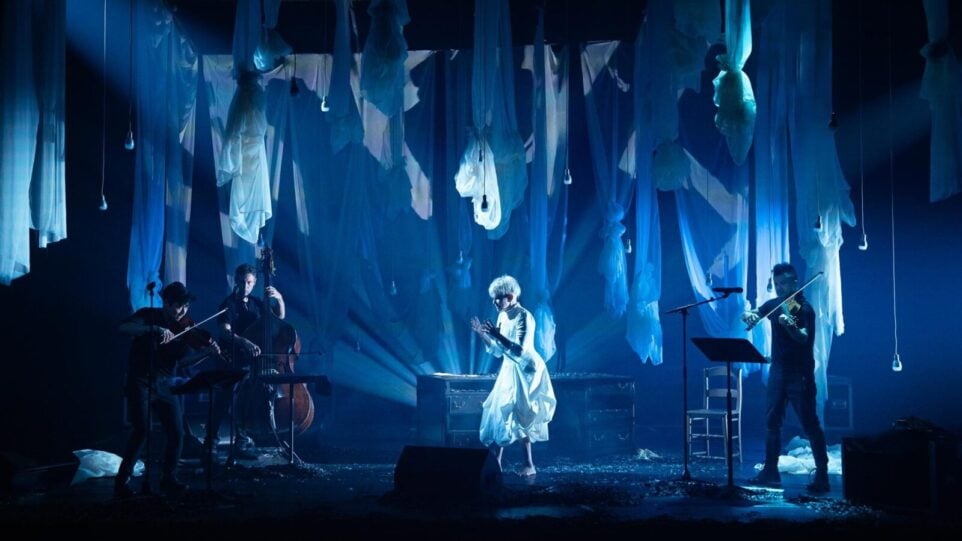
The world premiere performance of Emily — No Prisoner Be by Time for Three and Joyce DiDonato at the Bregenzer Festspiele on August 14th and 16th 2025. (Photo: Bregenzer Festspiele)
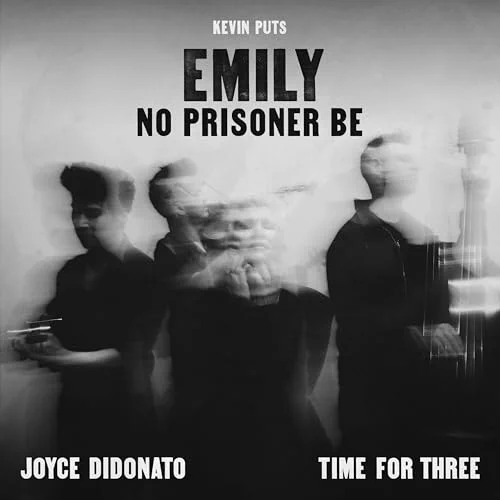
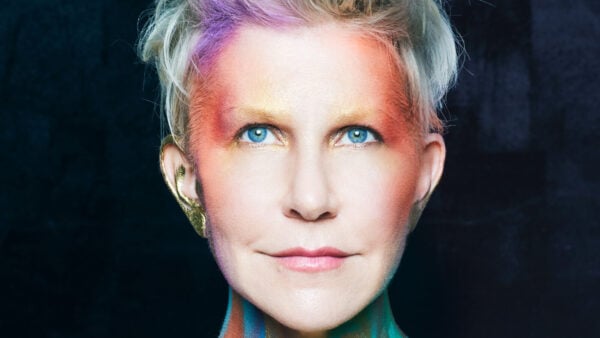
Emily — No Prisoner Be is a 24-part song cycle by Pulitzer Prize-winning composer Kevin Puts, setting the poetry of Emily Dickinson. Written for Grammy Award-winning artists Joyce DiDonato and genre-defying ensemble Time for Three. Emily is a powerful meeting of voices across centuries—each one distinct, yet in perfect harmony. With music which feels at once familiar and new, brimming with energy, passion, and an undeniable chemistry between the performers. Emily Dickinson’s poetry and Puts’s music feel as if they have always belonged together. Joyce DiDonato, Chicago Symphony Orchestra Artist-in-Residence, and Time for Three perform Emily — No Prisoner Be at Symphony Center on February 10.
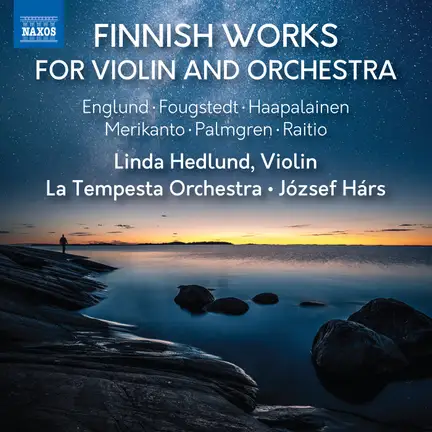
Linda Hedlund and La Tempesta Orchestra led by József Hárs explore the emotional depth, color, and inventiveness of Finnish concertante works for violin and orchestra. The pieces range across the transitional landscape of the country’s national music during the 20th century, where mysticism, modernism, folklore, and experimentation co-exist. Major figures such as Selim Palmgren and Aarre Merikanto are represented, as is charming film music by Einar Englund, writing under the pseudonym Marcus Eje. Distinctive works by Väinö Haapalainen, Väinö Raitio, and Nils-Eric Fougstedt complete the program. The album boasts six world premiere recordings, and all selections are new to the WFMT library.
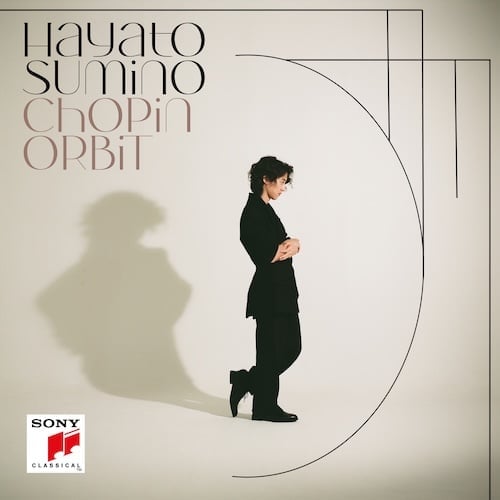
The multi-faceted New York-based Japanese pianist and composer Hayato Sumino turns his gaze on Chopin, the composer who means the most to him. It was Sumino’s sensational performances at the 2021 International Chopin Competition where he was a semi-finalist that first brought the young musician to wider international attention. In Chopin Orbit, Sumino pairs six of his original compositions with the work by Chopin that inspire it. “I never set out simply to write in the style of Chopin,” says Sumino. “What I wanted was to bring together his spirit with my own modern sensibility and creativity.” To illustrate the influence of Chopin’s music across time, Sumino’s program also includes Chopinesque music by Thomas Adès, Leopold Godowsky, and Leoš Janáček. Throughout the album, Sumino adeptly utilizes a variety of keyboards, including a concert grand, a vintage piano, a modern upright and celesta.
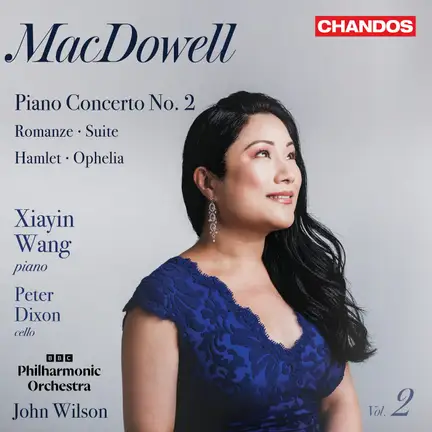
John Wilson and the BBC Philharmonic Orchestra’s second volume of works by Edward MacDowell features the tone poem Hamlet & Ophelia; the First Orchestral Suite; the Romanze for cello and orchestra featuring cellist Peter Dixon; and the virtuosic Second Piano Concerto featuring Xiayin Wang as soloist. In 1884, MacDowell and his wife, Marian, spent their honeymoon in England, and were both captivated by Shakespeare plays at London’s Lyceum Theatre. MacDowell immediately began to compose sketches based on six characters, but completed only Hamlet and Ophelia, which were published the following year. Parts of the sketch for Benedick, from Much Ado about Nothing, found their way into the second movement of MacDowell’s Second Piano Concerto. When MacDowell reactivated his career as a concert pianist, he used the Second Concerto as a vehicle for his own performances, playing the premiere in New York in 1889. The Romanze was written at Wiesbaden in 1887, and MacDowell dedicated it to the virtuoso Bohemian cellist and composer David Popper. The Suite in A minor, reflecting the composer’s lifelong love of nature, was the first work he composed after they moved to Boston. Set in five movements, it received its first performance in 1895 by the Boston Symphony Orchestra.
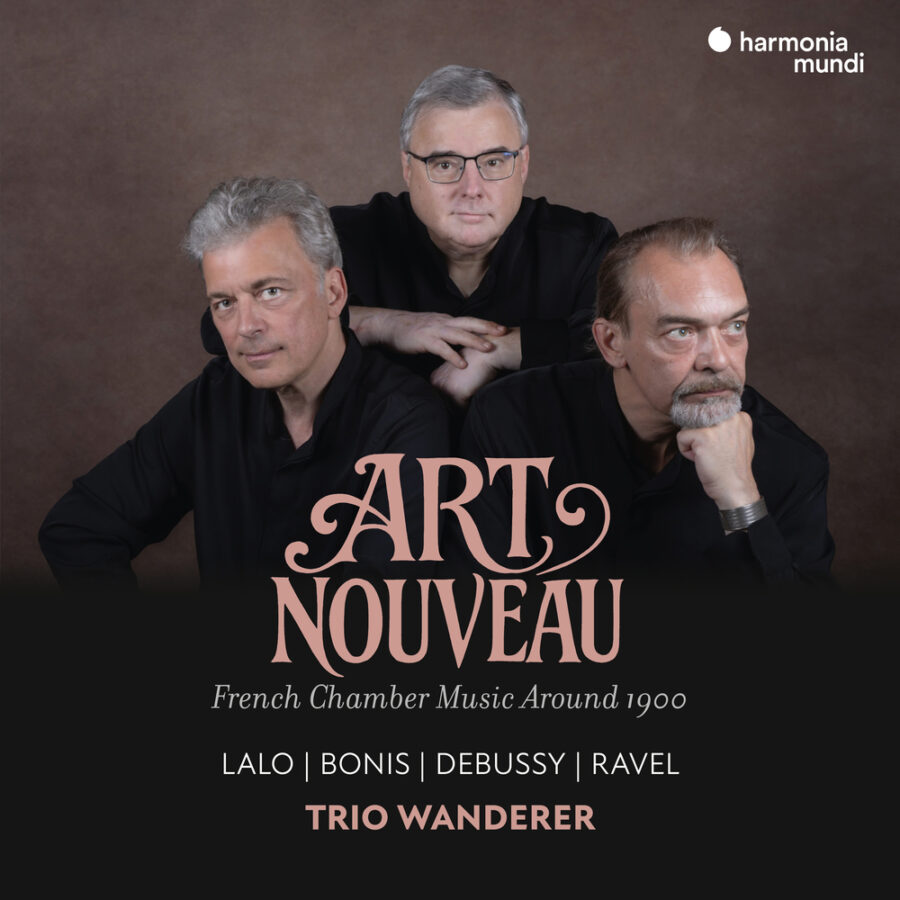
In a program teeming with contrasts and discoveries, Trio Wanderer (violinist Jean-Marc Phillips-Varjabédian, cellist Raphaël Pidoux, and pianist Vincent Coq) explores French chamber music around the year 1900. The ardent lyricism of Édouard Lalo is represented by his Piano Trio No. 3. Maurice Ravel’s shimmering can be heard in his Piano Trio and his Sonata for Violin and Cello. The young Debussy sounds fresh in his Violin Sonata and Cello Sonata. The poetry of Mel Bonis is revealed in her piano trio Soir – Matin and her Barcarolle for solo piano. Each work reveals some unusual facet of this golden age, creating a wondrous panorama that combines neglected treasures with pillars of the repertoire.