Many of the albums this week revisit themes from the past. On one end of the spectrum, OperaCréole Ensemble presents a recording of the oldest opera by a Black American composer. At the other, The King’s Singers pull inspiration from the Catholic night service compline in their new “Head Space” series. Romanian pianist Alexandra Dariescu’s new album looks back on her journey in the music world thus far, while an award-winning playwright and composer premiere a new ending to Puccini’s unfinished Turandot. Finishing the line up is Neave Trio’s album dedicated to women, and the very first album of purely original compositions by Michael Stephen Brown.
New Releases Feb 10: Revisiting
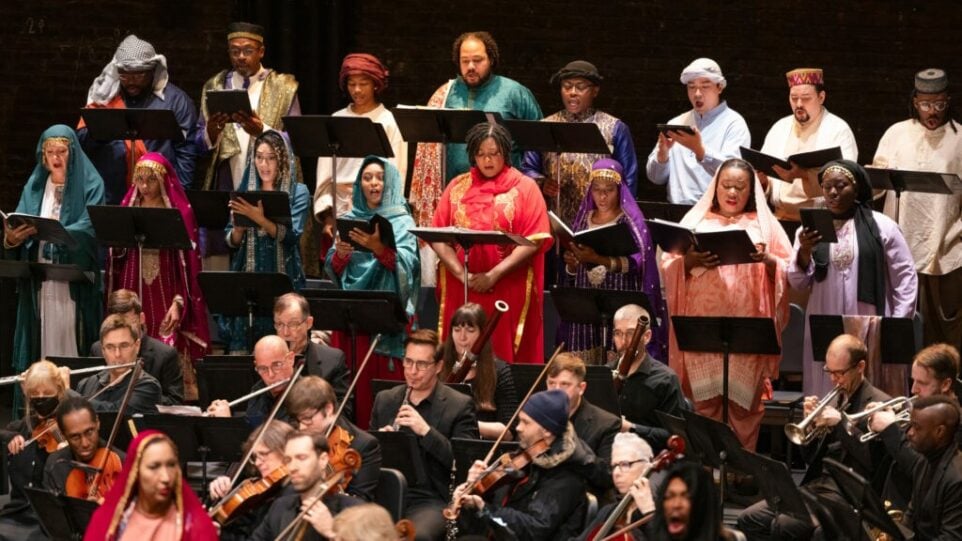
OperaCréole's ensemble, and principal artists singing "Morgiane" at Jazz at Lincoln Center on February 5, 2025 (Photo: Opera Créole website)
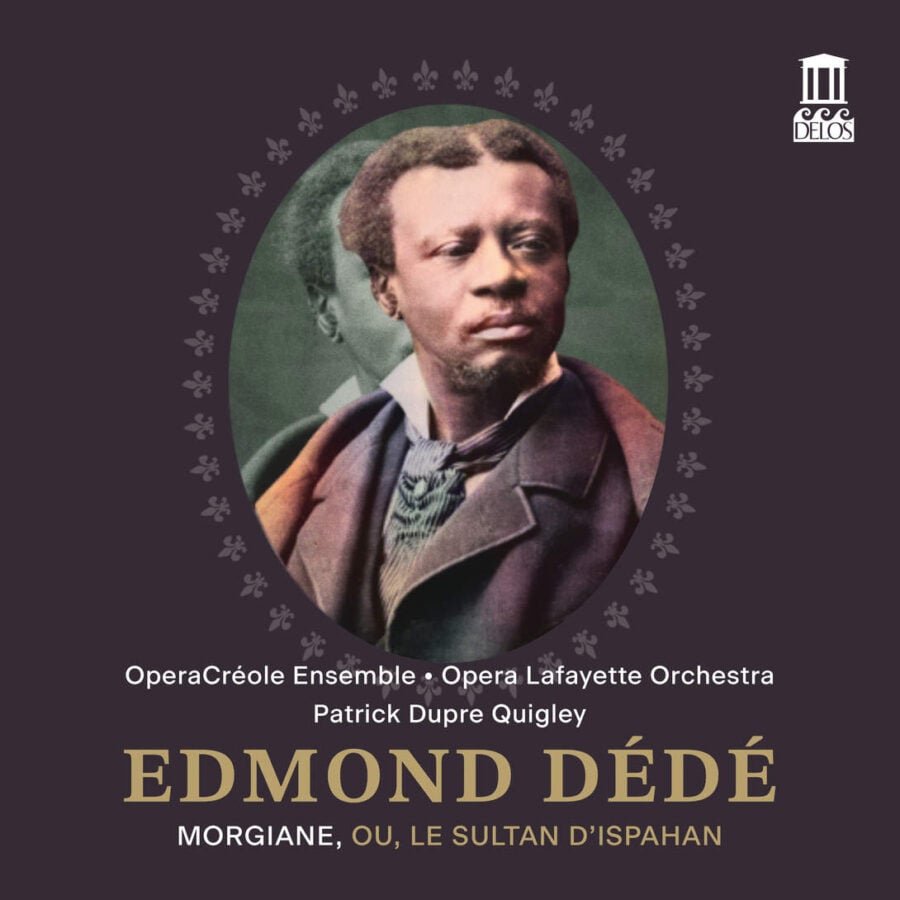
A souvenir from the world premiere production of what may be the oldest opera by a Black American composer in existence. Edmond Dédé was born in 1827 in New Orleans as a free person of color. As the century wore on, life became increasingly difficult for the composer in New Orleans, and around 1855 he left the country permanently to work in Bordeaux, France, where he became something of a celebrity, composing and conducting orchestral pieces, ballets, and one-act operettas. But he faced prejudice in France as well, and Morgiane, which he completed at the age of 60, was never staged. The manuscript was rediscovered in 2008 in a trove of manuscripts that Harvard had acquired from a Paris music dealer. A few years later it came to the attention of Givonna Joseph, the founder of OperaCréole, and she made contact with Patrick Dupre Quigley, the artistic director of Opera Lafayette. Their partnership eventually resulted in multiple productions of the opera in 2025 and in this recording. The starry cast includes Mary Elizabeth Williams in the title role, with Nicole Cabell, Kenneth Kellogg, Joshua Conyers, Chauncey Packer, and Jonathan Woody.
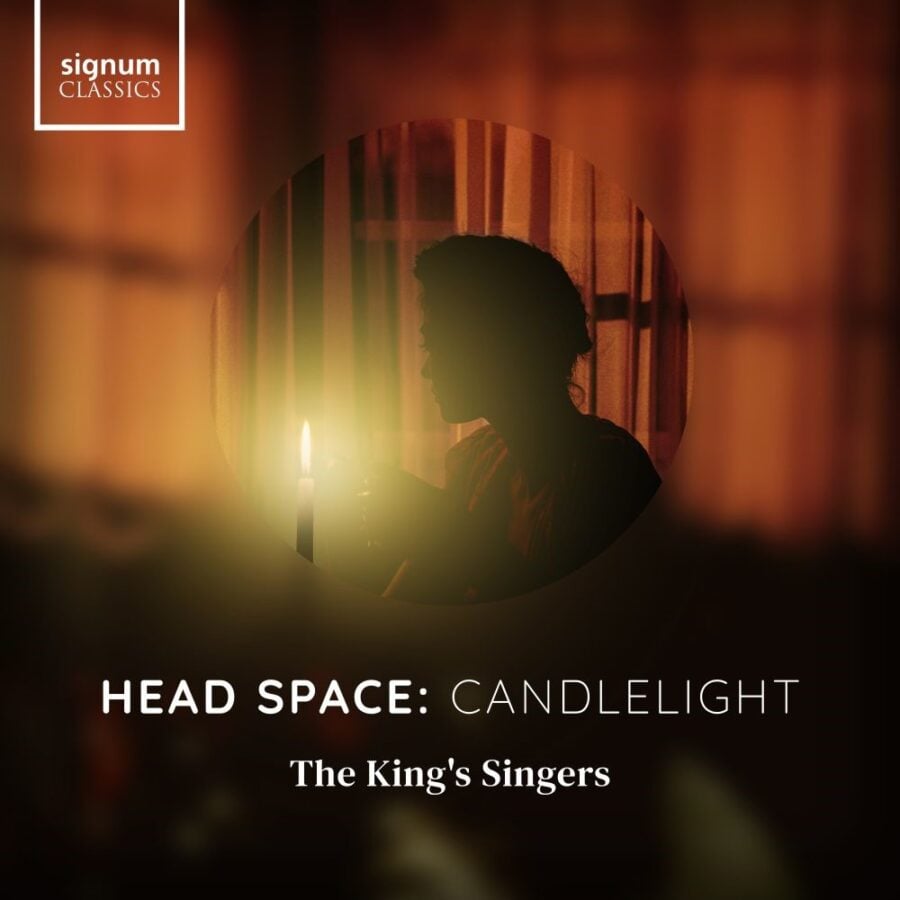
The first album in The King’s Singers’ Head Space series, aims to connect choral music with calmness and reflection. Inspired by compline, the Catholic night service, it features plainchant, including “In manus tuas Domine” and “Salva nos Domine vigilantes,” emphasizing breath-led pacing. The album also includes four of Orlando Gibbons’s wordless song settings (two of which include an additional voice performed by cornett player Jeremy West), contemporary pieces by Anna Thorvaldsdottir, Judith Bingham, and Arvo Pärt, and the experimental “4’33” by John Cage, concluding with Robert Parsons’ “Ave Maria” and Edvard Grieg’s “Ave Maris Stella,” all designed to create a contemplative atmosphere. In summary: fourteen tracks (well, thirteen, if you don’t count the Cage …) of artful tranquility.
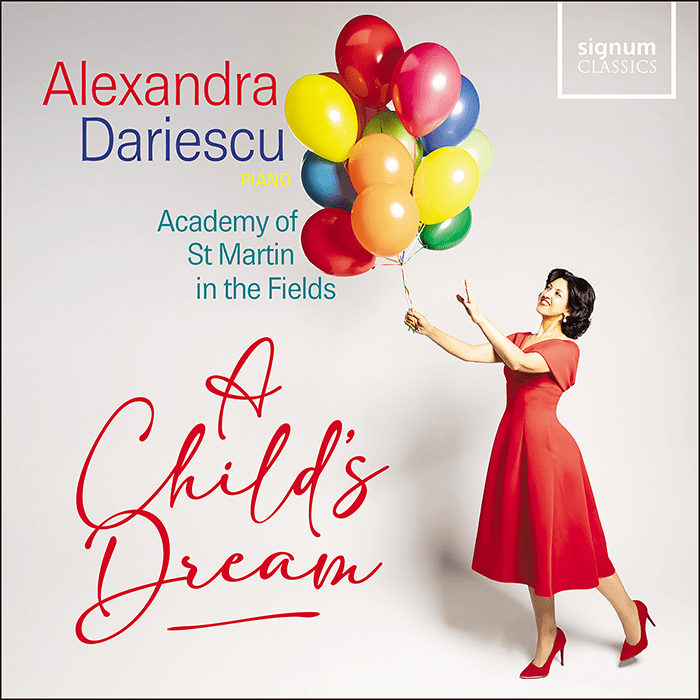
Romanian pianist Alexandra Dariescu’s new album is a personal reflection of her journey in the music world, from some of the very first pieces she played as a child to significant milestones such as her concerto debut at age 9. The repertoire centers Mozart’s Rondo in D, K. 382, performed with the Academy of St. Martin in the Fields. The remaining selections span various eras and nations, with an emphasis on women composers Emma Schäfer Klein, Clara Schumann, Leokadiya Kashperova, Amy Beach, Nadia Boulanger, Florence Price, and Missy Mazzoli. “This program showcases the music that has been my lifelong companion, travelling with me across the globe but also some hidden gems by neglected composers throughout history, voices which deserve to be heard.” – Alexandra Dariescu
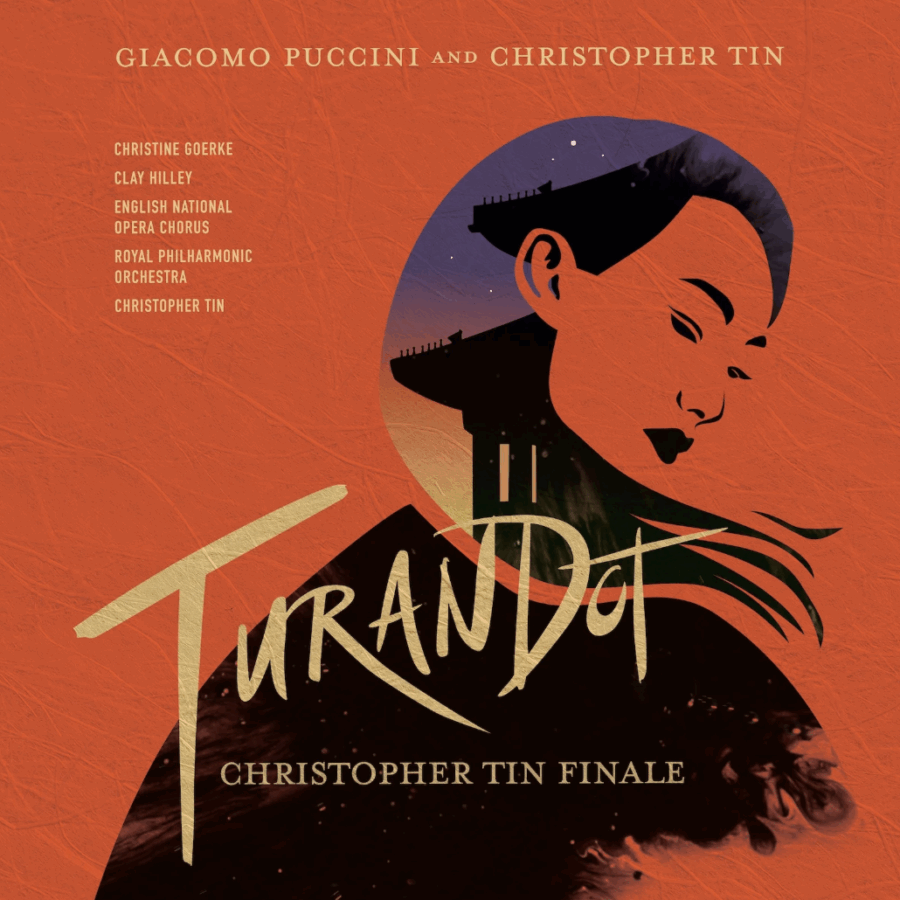
Giacomo Puccini had composed most of Turandot before his death in 1924 but the final duet and conclusion to the opera remained unfinished. Commissioned by visionary director Francesca Zambello and Washington National Opera, and with a libretto by Emmy-winning playwright Susan Soon He Stanton, composer Christopher Tin’s new ending premiered at the Kennedy Center on May 11, 2024 and was hailed a huge success by critics and audiences alike. The music for Tin’s completion of Turandot will also be featured as the accompaniment to star figure skater Yuma Kagiyama’s free skate program at the 2026 Winter Olympic Games, coincidentally on the 100th-anniversary of the premiere of the opera at Teatro La Scala. The recording stars dramatic soprano Christine Goerke and heldentenor Clay Hilley as Turandot and Calaf with the English National Opera Chorus and the Royal Philharmonic Orchestra conducted by Matthew Quinn. A shorter concert suite version of Tin’s finale is also included on the EP.
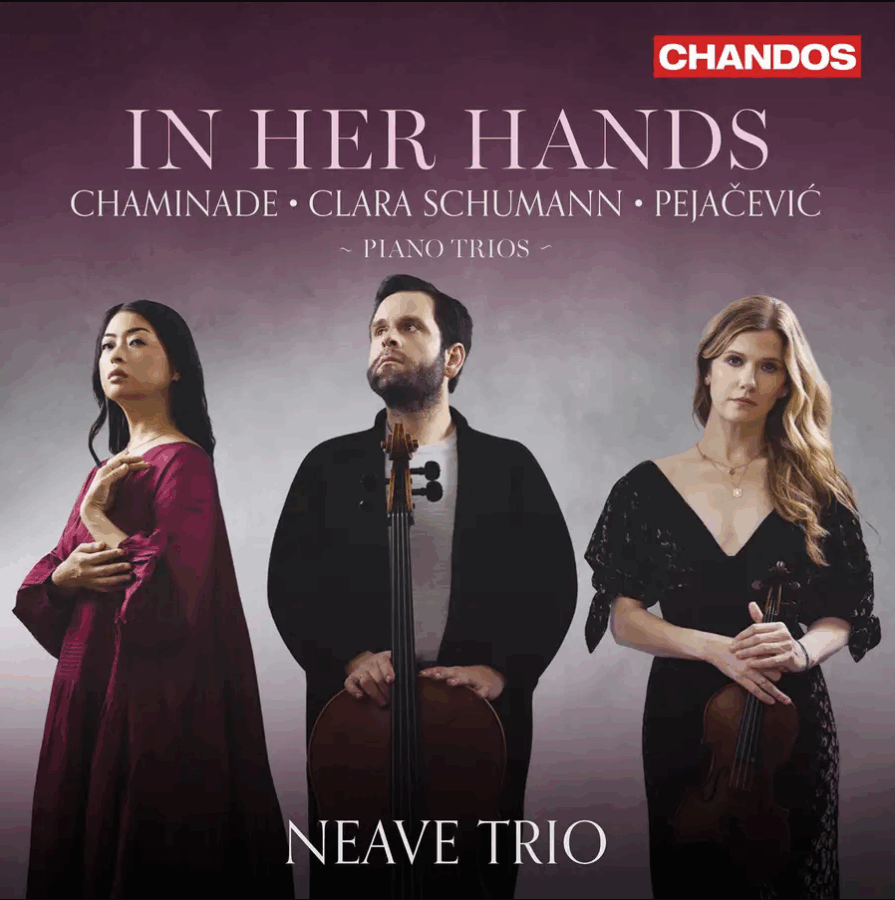
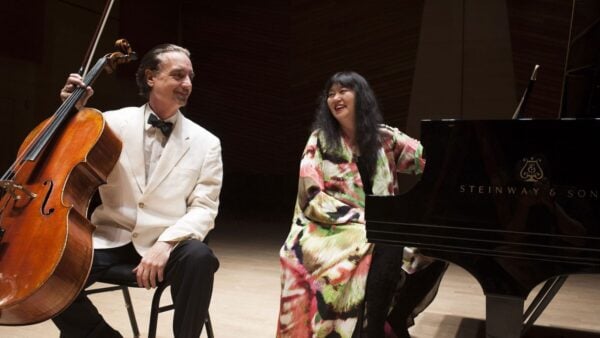
Neave Trio presents a program of piano trios celebrating three women composers in the early modern era. The album continues the Trio’s longstanding commitment to uplifting historically underrepresented voices in the chamber music repertoire. Written in 1846, Clara Schumann’s Piano Trio Op. 17 in G minor, is widely recognized as one of her finest chamber works, despite the composer’s characteristic self-doubt. Dora Pejačević’s Trio No. 2 in C Major, Op. 29 was composed in 1910, when she was 25. The Trio showcases her gift for lyrical melody, expressive dialogue between piano and strings, and richly textured writing, establishing her as one of the most original and compelling voices in early 20th-century European chamber music. Cécile Chaminade’s Piano Trio No. 2 in A minor, Op. 34, was published in 1887. With the composer at the piano for the trio’s premiere, the work became a staple of her performances throughout the 1890s. The success of this trio earned Chaminade widespread acclaim with contemporary reviewers praising her as one of the leading voices of the French school.

Michael Stephen Brown is a composer and pianist hailed by The New York Times as “one of the leading figures in the current renaissance of performer-composers.” Brown performs internationally and receives commissions from orchestras, soloists, and festivals around the world. Recent highlights include a recital at Alice Tully Hall for the Chamber Music Society of Lincoln Center, and a performance on Live from WFMT. Brown presents the first album devoted entirely to his original compositions, bringing together some of today’s leading performers in a deeply personal collection that spans tributes, intimate character pieces, poetic meditations, and works written for lifelong collaborators. Performers include pianists Michael Stephen Brown, Jerome Lowenthal, Ursula Oppens, and Anne-Marie McDermott; soprano Susanna Phillips; violist Paul Neubauer; clarinetist Osmo Vänskä; and violinist Erin Keefe.