The melodies of the opera are centered in three releases this week: Lisa Davidsen and James Baillieu’s recital from the stage of the Met, the Austrian nonet ensemble minui’s third album of original opera arrangements, and Vyacheslav Gryaznov’s new piano concerto based on themes from the Gershwins’ Porgy and Bess performed with the Vienna Radio Symphony Orchestra. Pianist-composerAldo López-Gavilán presents two new concertos and a work for solo piano, and Vienna itself is the inspiration for the latest album from Quatuor Hermès.
New Releases Apr 7: Opera Reimagined, New Concertos, and Vienna
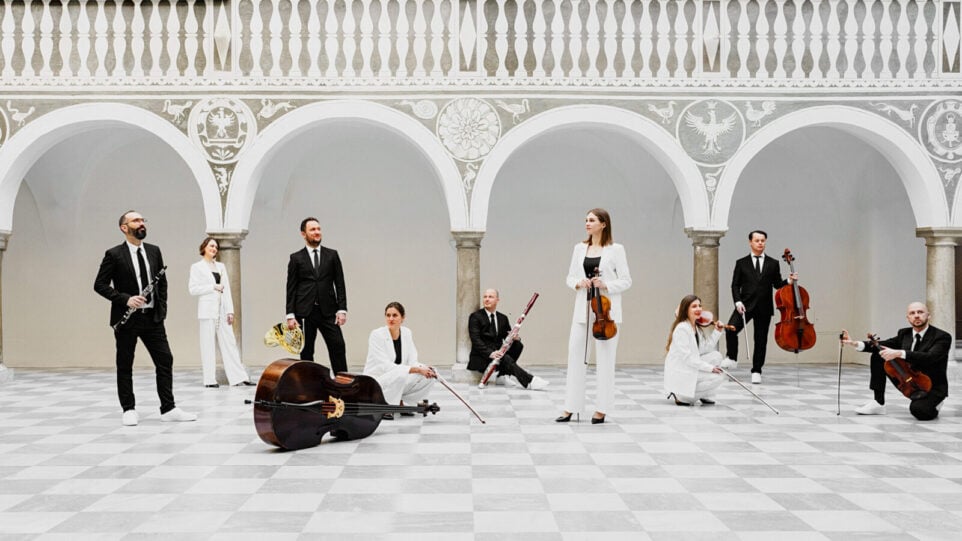
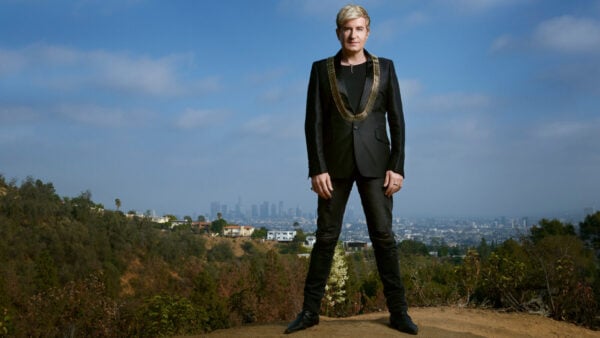
ensemble minui (Photo: Lex Karelly)
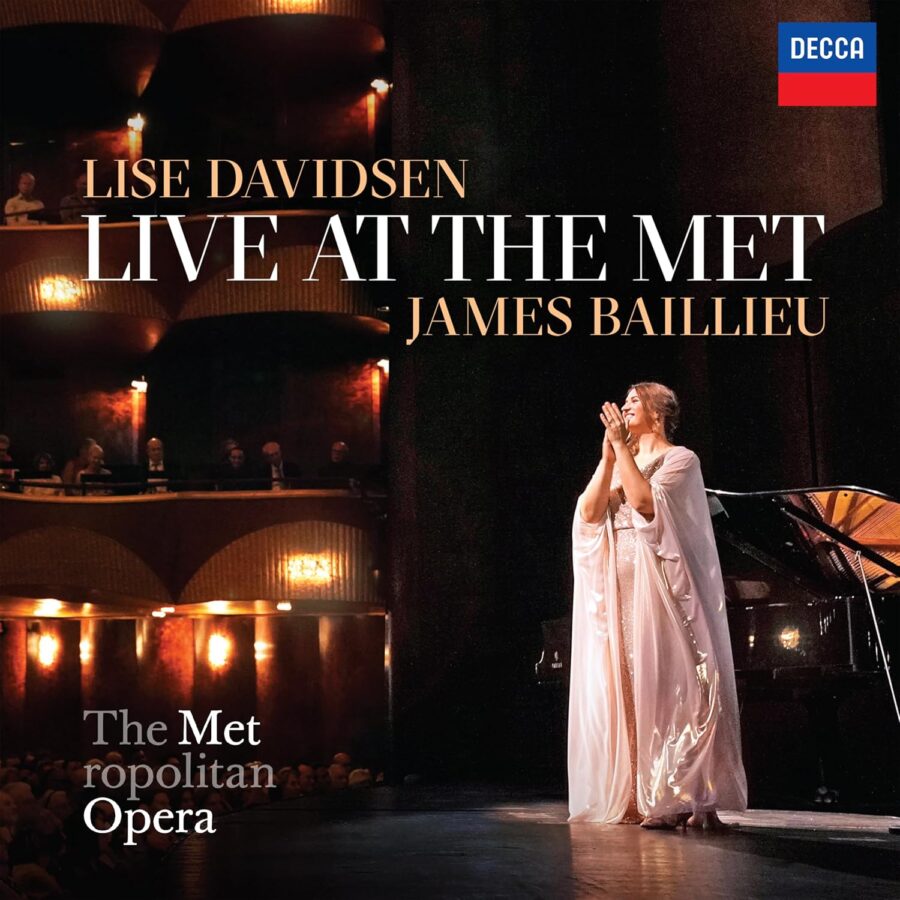
Decca Classics presents a recital by soprano Lise Davidsen and pianist James Baillieu recorded at the Metropolitan Opera in September 2023. Their program reflects the full spectrum of Davidsen’s range, moving effortlessly between opera, song and musical theatre. Davidsen demonstrates her mastery of the music of Richard Strauss with four songs: “Allerseelen,” “Befreit,” “Zueignung,” and “Morgen.” Opera highlights include “Dich, teure Halle” from Wagner’s Tannhäuser, “Morrò, ma prima in grazia” from Verdi’s Un ballo in Maschera, and “Vissi d’arte” from Puccini’s Tosca. These are paired with songs by Schubert, alongside music by Grieg and Sibelius in a tribute to Davidsen’s Scandinavian heritage. The recital also reveals a lighter side of Davidsen’s artistry, with operetta and musical theatre including “I Could Have Danced All Night” from My Fair Lady.
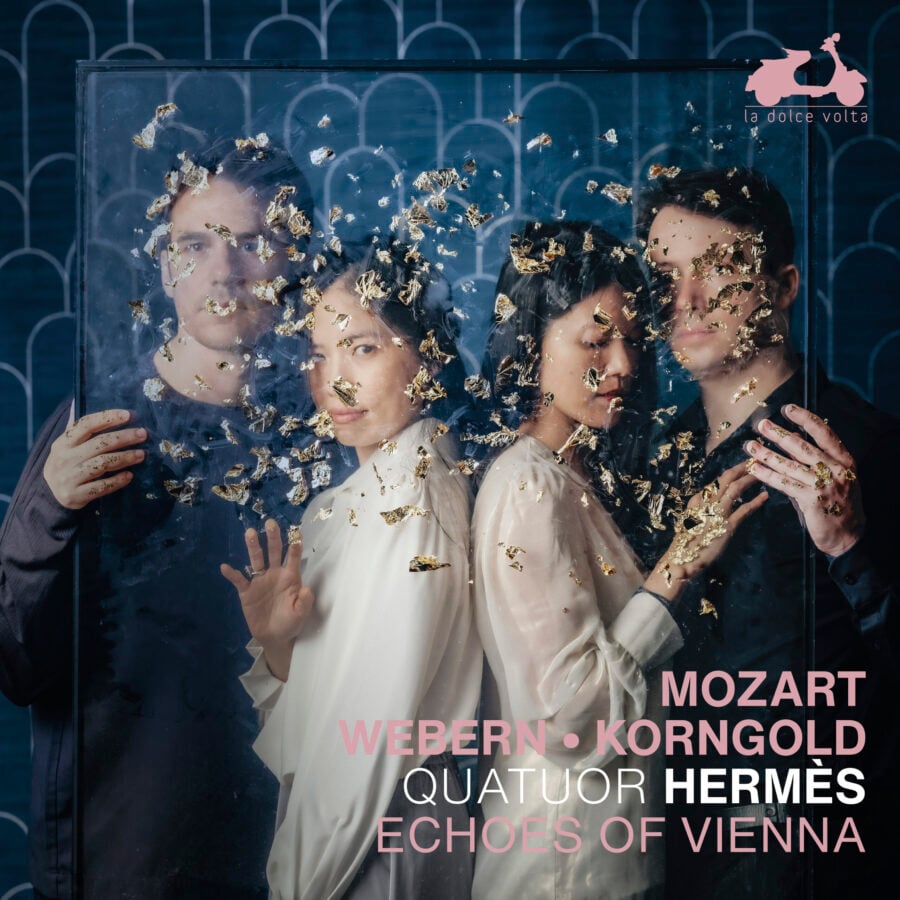
Vienna was in the grip of serious political unrest that forced many Jewish artists into exile when Erich Wolfgang Korngold composed his Second String Quartet in 1933, first performed the following year in the Austrian capital. In it he celebrated, before it faded away, the vitality of a musical school of which Wolfgang Amadeus Mozart had been one of the founders more than a century and a half earlier, and which Anton Webern had helped to usher into modernity. It is this lineage that the musicians of the Quatuor Hermès highlight works that bear witness to a fascinating narrative power and could be understood as an expression of a farewell. In addition to Korngold’s Quartet No. 2, the program includes Mozart’s String Quartet No 15 and Webern’s Langsamer Satz.
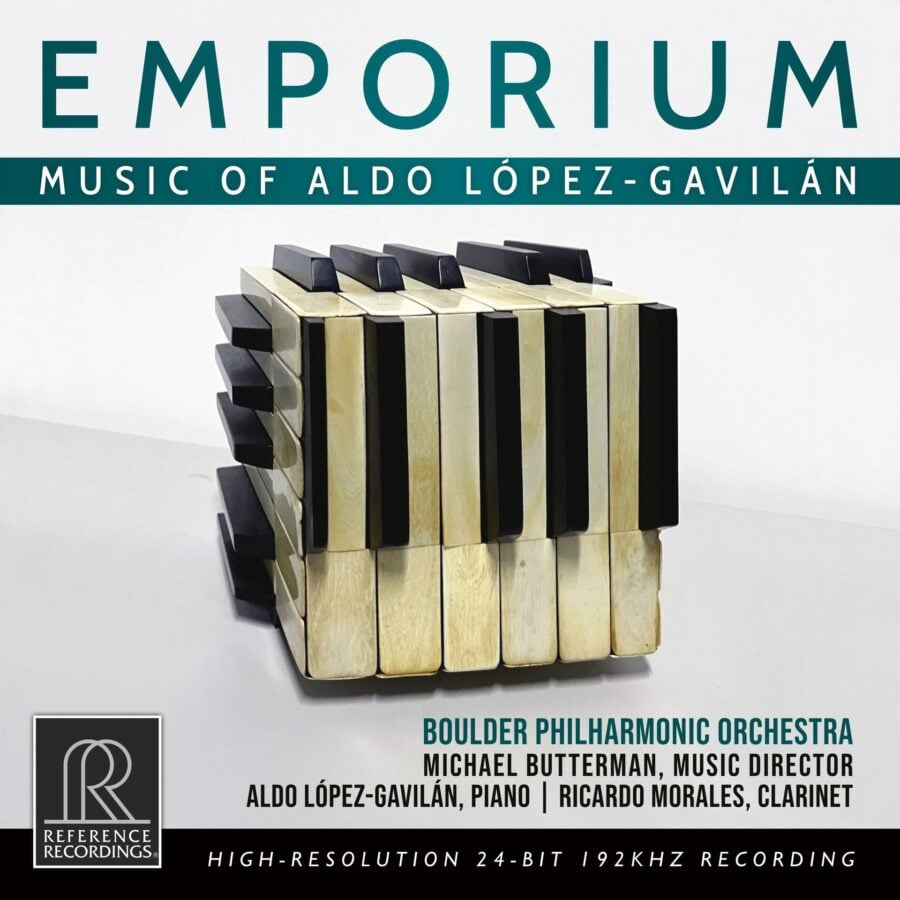
Cuban pianist-composer Aldo López-Gavilan presents world-premiere recordings of three of his own orchestral and solo works highlighting the composer’s distinctive musical voice—one that seamlessly blends classical virtuosity, improvisational freedom, jazz inflections, and Afro-Cuban rhythmic vitality. The title work is a three-movement piano concerto originally conceived during an improvisation session as a musical gift for the composer’s daughters. The album also features López-Gavilan’s Concerto for Clarinet and Orchestra blending classical orchestral writing with jazz and Afro-Cuban rhythmic elements, written as a tribute to the composer’s grandfather, the celebrated Cuban clarinetist Juan Jorge Junco. Completing the program is a performance by López-Gavilan of Hechizos (Spells), his three-movement piano suite exploring magical and dreamlike imagery. Each movement evokes a different mystical atmosphere—from the fluttering textures of Mariposas Nocturnas to the hypnotic landscapes of Hipnosis and the sinister dance-like energy of Conjuros. Recorded live at Macky Auditorium Concert Hall in Boulder, Colorado, Emporium and the clarinet concerto are performed with the Boulder Philharmonic Orchestra under Michael Butterman, with López-Gavilán himself as piano soloist and Ricardo Morales as clarinet soloist.
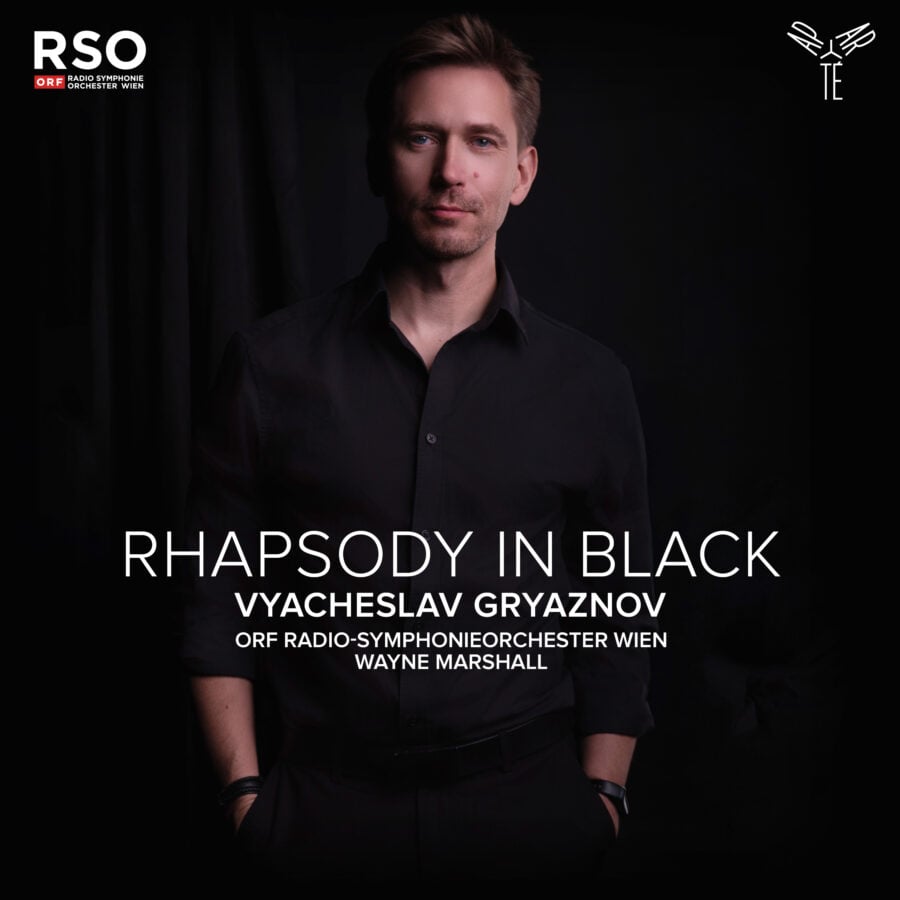
Vyacheslav Gryaznov’s Rhapsody in Black is a stunning and original work that blends classical and jazz influences, showcasing Gryanznov’s extraordinary skill as both a pianist and a composer. Based on themes from the Gershwins’ Porgy and Bess, Rhapsody in Black picks up the story where the opera leaves off: Bess in New York, Porgy following in her footsteps. Rhapsody in Black has been described as a modern rhapsody—free-flowing and improvisational in spirit, yet highly structured in terms of its thematic development. The title is a playful nod to the interplay between classical music and jazz, with “black” referencing the black keys of the piano, which are often the source of the rich, bluesy, and jazz-inspired passages in the work. Originally conceived as a work for two pianos, the orchestral version is paired with Gershwin’s Rhapsody in Blue with Gryaznov as soloist with the Vienna ORF Radio Symphony Orchestra conducted by Wayne Marshall.
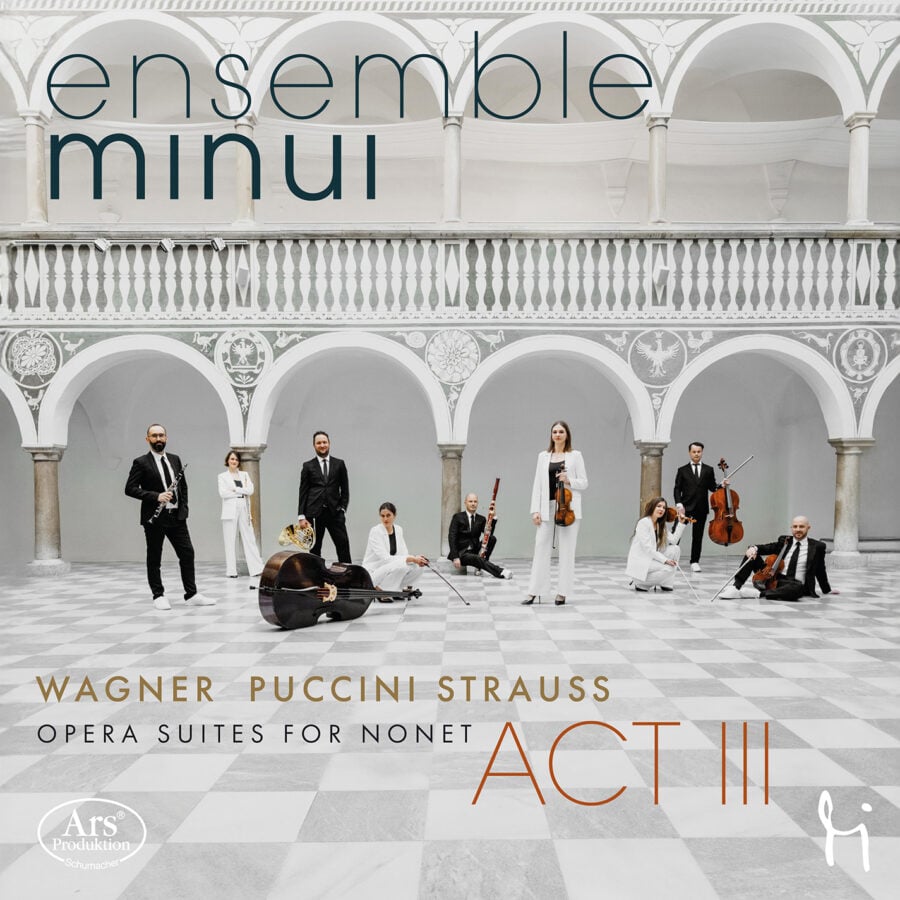
Founded in 2016, ensemble minui comprises five string and our wind players) active in the Carinthian Symphony Orchestra, the Slovenian National- and the Vienna State Opera orchestras who perform reduced versions of works from the symphonic and operatic repertoire. While simple reductions of large orchestral works were initially on the program, opera music gradually became the great passion of ensemble minui. With the third album in their Opera Suites for Nonet series, the nine versatile musicians present stylish new perspectives on three large-scale opera works (Wagner’s Die Walküre, Puccini’s Manon Lescaut, and Richard Strauss’s Die Frau ohne Schatten) in arrangements by clarinetist Stefan Potzmann.