American pianist Lara Downes returns with a deeply personal and timely album, shaped by an extraordinary two-year odyssey across the United States. Other musicians reflect on American music as well: Manfred Honeck and the Pittsburgh Symphony Orchestra contrast two works inspired by African-American spirituals, while the Apollo Chamber Players present a bold musical tapestry that tells the evolving story of American democracy. Virtuoso saxophonist Chad Smith and the Sinfonia of London pay tribute to an instrument that enjoys a double life in both classical and jazz music. Finally, pianist Francesco Tristano releases his fourth album of Bach on the Naïve label.
New Releases June 30: Lara Downes, Francesco Tristano, and more

Lara Downes (Photo: Ebru Yildiz)

In their ninth studio album, Apollo Chamber Players present a bold musical tapestry celebrating the ideals, complexities, and evolving story of American democracy at this milestone juncture. Featuring new commissions, world premieres, and transformative reimaginings, the release amplifies voices from across cultures, eras, and communities whose lived experiences help define the collective meaning of “We the People.” The album opens with Haitian American composer Daniel Bernard Roumain’s And Still We Cross, a dramatic contemporary work exploring the legacies of Frederick Douglass and Booker T. Washington scored for string quartet, vocal quartet, and narrator. Apollo collaborates with composer and violinist Tracy Silverman on the following track, a reimagining of the famous Allegretto from Beethoven’s Seventh Symphony arranged for string quartet and electric violin. Composed in the wake of 9/11, John Corigliano’s One Sweet Morning draws on poetry by Jewish-American lyricist Yip Harburg in a musical prayer for the end of war and an aspiration for peace, scored for string quartet, double bass, and countertenor. Takes its name from the Afghan word for “sunrise,” Homayoun Sakhi’s String Quartet No. 1: Tolo is an Apollo commission premiered by the quartet in 2024. John Cornelius’s work PAX, an Apollo commission premiered by the quartet in 2022, reflects powerfully on the words of poet Langston Hughes. scored for string quartet, spoken word, and tenor. Marcus Maroney’s work The Color Blue represents a collaboration with students at Houston’s High School for the Performing and Visual Arts who were prompted by the question “What does democracy mean to you?” The album closes with Mark Buller’s 2025 arrangement of Howard Hanson’s Song of Democracy, adapting this this musical setting of Walt Whitman’s poetry for chamber ensemble.
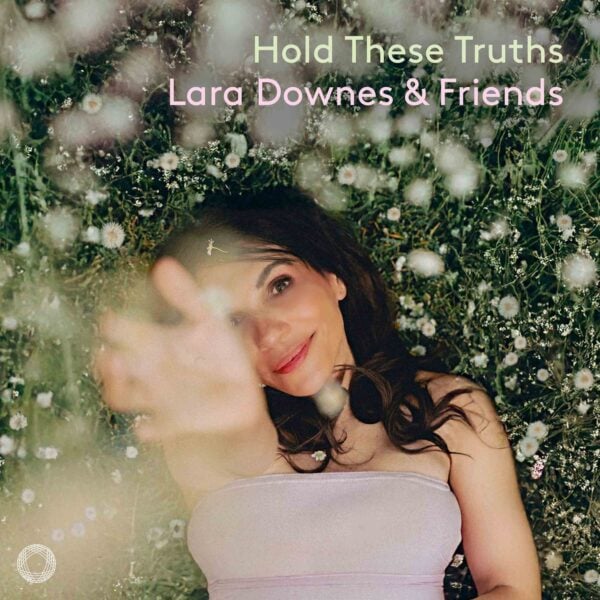
Lara Downes presents a deeply personal and timely musical journey shaped by an extraordinary two-year odyssey across the United States. Traveling from California to New York, from Vermont to Alabama, Downes uses music as both compass and passport – connecting with communities, sharing stories, and reflecting on the complexities of contemporary American life as she observes this 250th anniversary of the nation’s founding. The result is a richly woven program that brings together voices past and present, from early American songs and spirituals to works by Copland, Bernstein, and Oscar Peterson, alongside new music by composers who define today’s American sound (Carlos Simon, Christopher Tin, and others). Each piece is illuminated by the words and perspectives of those encountered along the way, offering an intimate and collective portrait of a nation in search of truth, identity, and hope.
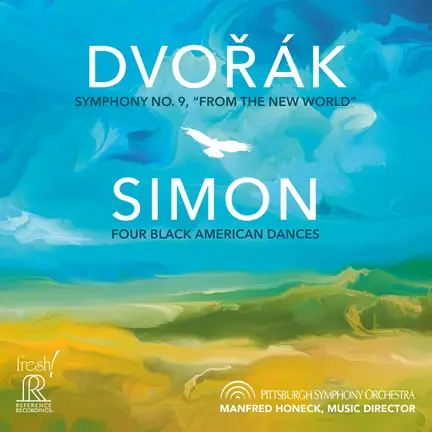
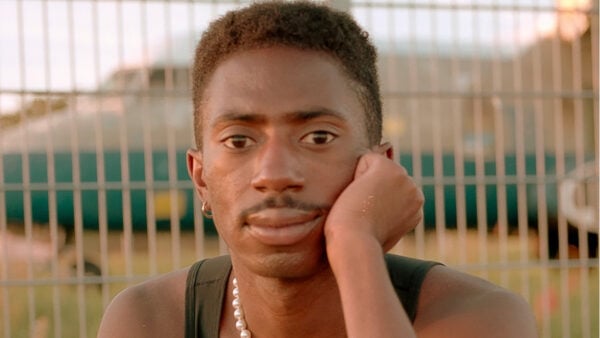
Manfred Honeck and the Pittsburgh Symphony Orchestra present Antonin Dvořák’s Symphony No. 9, “From the New World,” and the premiere recording of Carlos Simon’s Four Black American Dances. The album was recorded live in the historic Heinz Hall, home of the Pittsburgh Symphony Orchestra, in February 2025. Maestro Honeck says the release of this recording “is especially fitting as America approaches its 250th anniversary. These two works by Dvořák and Carlos Simon offer different perspectives on the American musical experience. Carlos Simon brings the voice, rhythms and spirituality of Black American music into his piece with extraordinary invention and energy, while Dvořák, as a visitor to America, was deeply inspired by the spirit of this country and transformed those impressions through his own Czech musical language. Together, these works create a wonderful dialogue…”
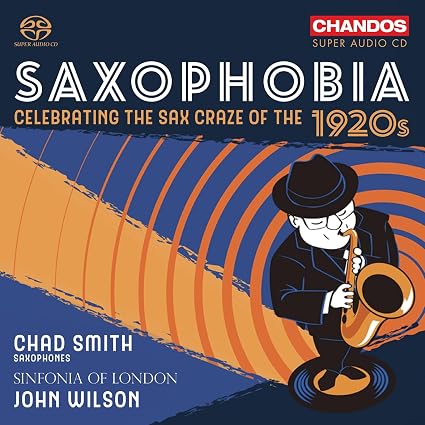
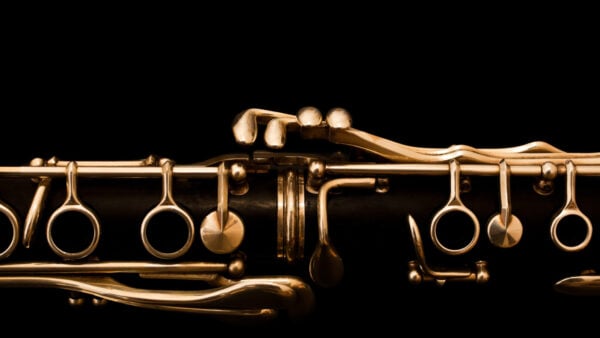
Famously invented by Adolphe Sax in the 1840s, the saxophone quickly became an established part of French and British military bands but remained a novelty instrument elsewhere until it gained a foothold in vaudeville and ragtime bands in 1920s America. From there, it became an essential part of dance bands, and a prominent solo instrument in jazz. A great deal of this early development can be attributed to one musician: Rudy Wiedoeft, a virtuoso clarinetist who became obsessed with the saxophone in 1914. Coinciding with the start of the dance craze, he was convinced he could make a better living as saxophonist than as an orchestral clarinetist and spent the following years forming and running bands for nightclubs and cabaret, writing and recording his own virtuosic pieces for saxophone. Concentrating on recording over performing, he became a household name, but the emergence of the jazz era and its new star musicians eventually overshadowed his work, and his achievements and influence slipped into obscurity. Multi-instrumentalist, educator, and virtuoso saxophonist, Chad Smith and the Sinfonia of London led by John Wilson pay tribute to and shine a light on this largely forgotten innovator with a program of 18 songs featuring the saxophone written between 1918 and 1932.
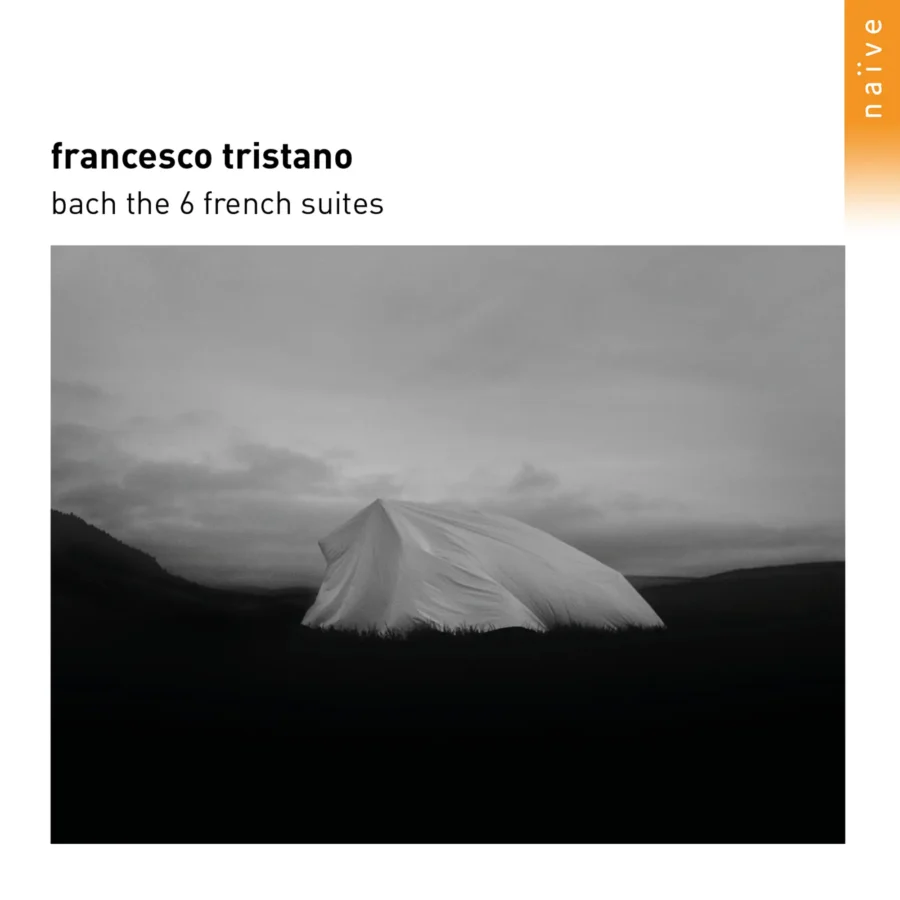
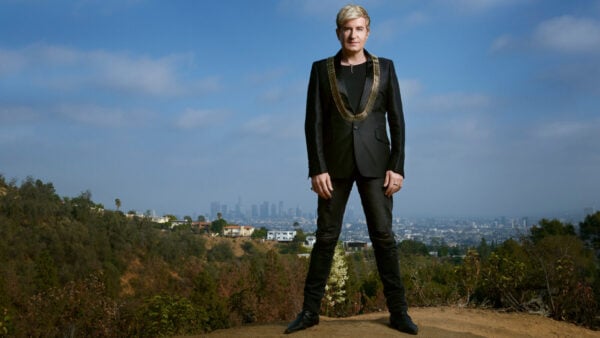
Pianist Francesco Tristano releases his fourth album of Bach on the Naïve label with the complete set of Six French Suites, BWV 812–817. The album continues Tristano’s quest to record the composer’s complete catalogue of works for piano. Composed between 1722 and 1725, after the expansion of forms at work in the Six English Suites, the French Suites are built around a sequence of dance movements. The works unfold with clarity, balance and a natural sense of flow. In this recording, Tristano focuses on continuity and contrast, shaping each suite as a complete musical arc while bringing out the expressive depth and melodic quality of the music.