Each of this week’s albums contains recordings of completely new pieces, whether they be 18th century discoveries, or contemporary premieres. The Imani Winds explore the juxtaposition of oppression and liberation with many new compositions, while the CPO record label presents three symphonies by Paul Wranitzky performed by the Munich Radio Orchestra. The Neues Bachisches Collegium Musicum and its artistic director Reinhard Goebel launch a new series offering a vivid glimpse into 18th century Leipzig’s rich musical life, including reconstructions of rarely heard works. Rumon Gamba suveys underperformed music for stage and screen by Finish composers. Finally, the Terra String Quartet presents three quartets by American composer Greg Sandow, heralding Sandow’s turn to full-time composing after a distinguished career as a critic, consultant, and teacher.
New Releases August 11: Musical Discoveries

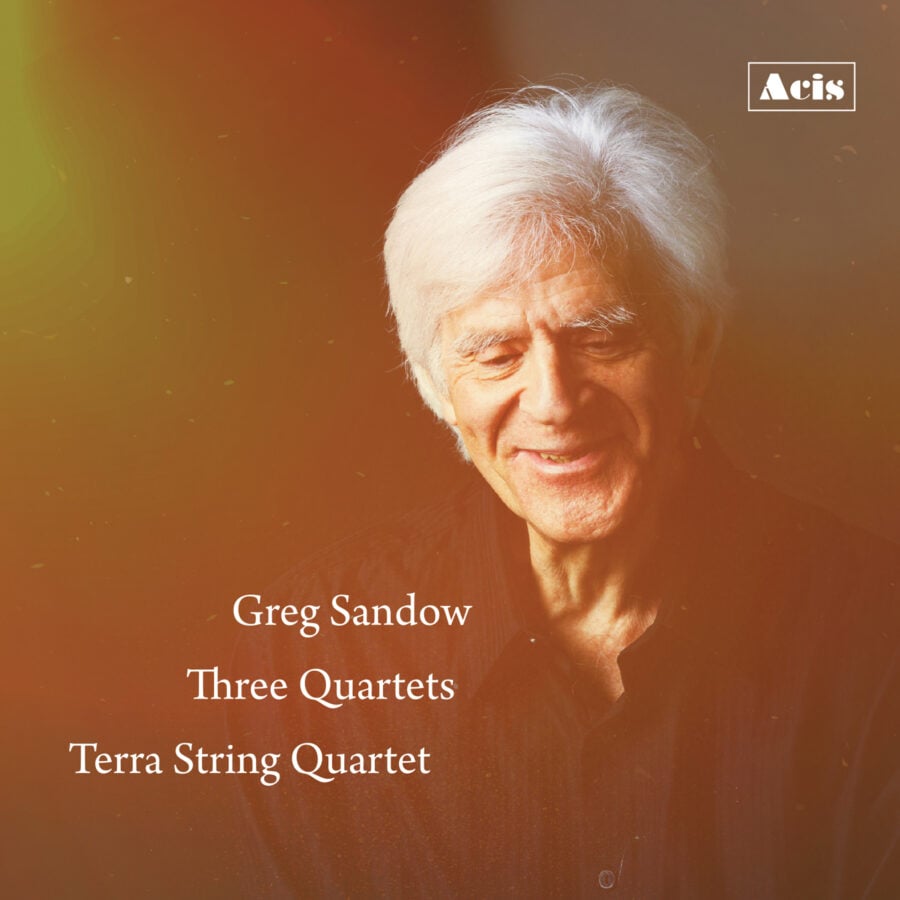
Winners of the 2025 Naumburg Chamber Music Competition and prizewinners at the 2025 Bordeaux and Wigmore Hall International Quartet Competitions, the Terra String Quartet presents three quartets by American composer Greg Sandow. The album heralds Sandow’s turn to full-time composing after a distinguished career as a critic, consultant, and teacher at Juilliard, Eastman, and Peabody. The Terra String Quartet comprises violinists Harriet Langley and Amelia Dietrich, violist Chih-Ta Chen, and cellist Audrey Chen. A concert in February 2024 reconnected the ensemble with Greg Sandow, a former professor of Harriet and Amelia’s at The Juilliard School. “When we reconnected several years later at one of our concerts, Greg approached us about the idea of recording all three of his string quartets,” reads the album’s liner notes. “We were excited about the prospect of bringing his musical voice to life. We were delighted to find that all three quartets sounded incredibly different – with unique sound worlds, textures and even extended techniques.”

With this album, the Neues Bachisches Collegium Musicum and its artistic director Reinhard Goebel launch a new series offering a vivid glimpse into Leipzig’s rich musical life at the beginning of the eighteenth century. At the time, the city was home to numerous Collegia Musica – academic ensembles dedicated to the performance of the latest vocal and instrumental works – which played a central role in shaping its musical culture. Georg Philipp Telemann, Johann Friedrich Fasch, Christoph Graupner and Johann David Heinichen were among the leading figures active within these circles, though much of their repertoire can only be vaguely reconstructed today. Goebel curates a “roughly similar” program that reflects this pre-Bach world, featuring overtures by Johann Beer and Heinichen, a horn concerto by Georg Melchior Hoffmann (all in world premiere recordings), as well as concertos by Fasch, Graupner and Telemann. The solo parts are performed by recorder player Max Volbers and Clemens Röger, principal horn of the Gewandhausorchester.
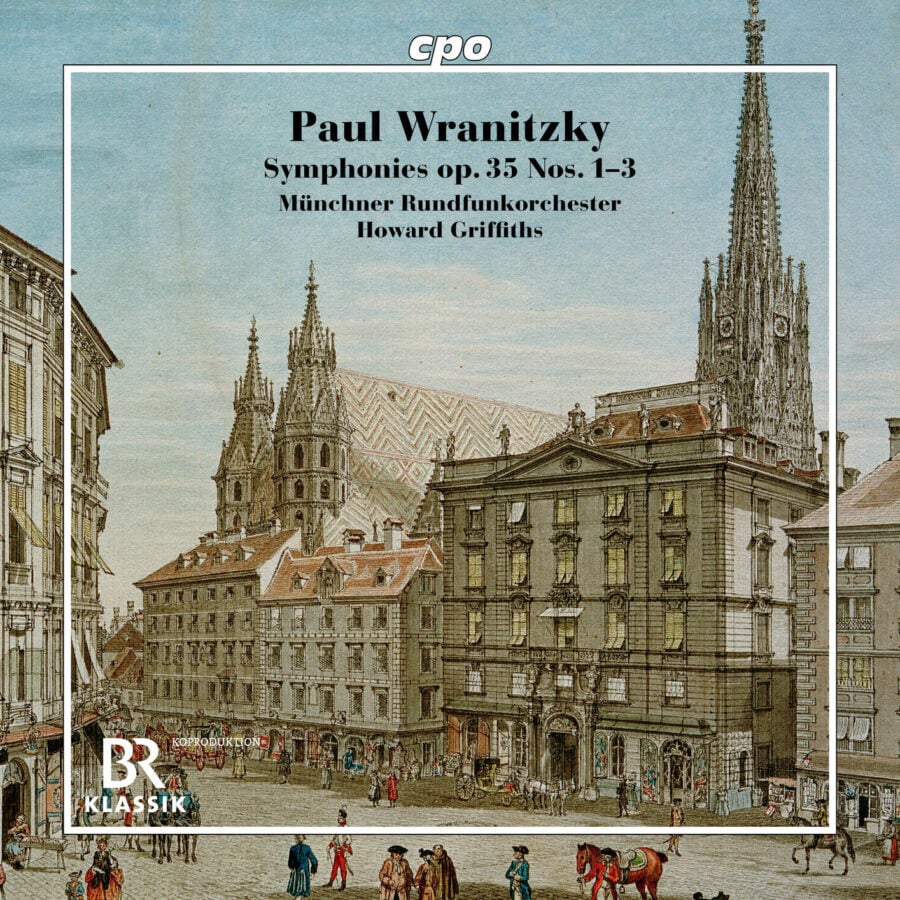
Continuing in its aim to fill overlooked niches in the recorded classical repertory, the CPO record label presents three symphonies by Paul Wranitzky performed by the Munich Radio Orchestra under the direction of Howard Griffiths. Born in 1756 in Neureisch, Moravia, Paul Wranitzky was almost exactly eleven months younger than Wolfgang Amadeus Mozart, whom he survived by seventeen years. Unlike the prodigiousness of Mozart, Wranitzky only became a composer after a circuitous route and had to learn much of what came so naturally to the child genius. He applied this approach with great ingenuity, however, as his four dozen symphonies alone reveal. Their style suggests they serve more as a missing link between his teacher, Joseph Haydn, and the “man of the future” – Ludwig van Beethoven. The three symphonies published as Opus 35 in April 1800, though composed in the previous decade, are musically progressive and full of formal surprises.

Imani Winds presents the second recording on their own record label featuring works that explore the juxtaposition of oppression and liberation, and which celebrates the resilience of persecuted peoples. The album opens with Pavel Haas’s virtuosic Wind Quintet, Op. 10; almost lost during World War II and Haas’s early death in Auschwitz. The album’s eponymous work was composed by Shawn Okpebholo, who shares about the work: “Unfolding as a musical journey through the ongoing struggle for racial justice, the piece offers three movements that reflect on progress, unity, and collective resolve.” The recording includes music that pays tribute to some of the best-known trailblazers of music and Black Excellence: Stevie Wonder, Donny Hathaway, Billy Taylor, and Nina Simone.
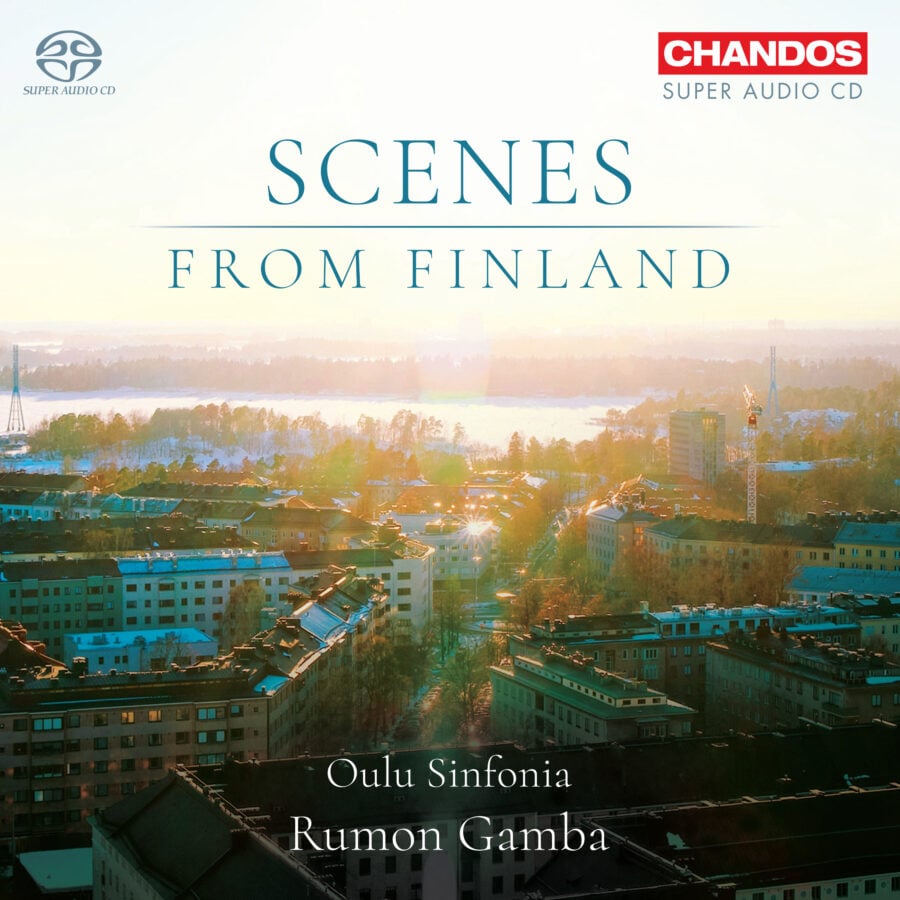
The Oulu Sinfonia led by Rumon Gamba explore music by Selim Palmgren, Einar Englund, Kalervo Tuukkanen, and Jean Sibelius in this survey of under-preformed Finnish music focusing on works composed for the stage and screen. Scenes From Finland is the third instalment in a trilogy exploring the richness and diversity of Finnish symphonic music, placing lesser-known masterpieces by contemporaries of Finland’s best-known composers alongside the established orchestral repertoire from a nation finding its independence and embracing modernity.