The Ariel Quartet completes their acclaimed Beethoven cycle with a 3-CD set of the Late String Quartets; Daniil Trifonov explores Latin American music; 15-year-old Japanese violinist Himari presents her debut album; the BBC Scottish Symphony Orchestra led by the prolific Rumon Gamba dedicate an album to orchestral works of an unheralded English composer who was a favorite of Elgar and Sibelius; and Concerto Copenhagen tell the remarkable story of Queen Christina of Sweden through the music she loved.
New Releases October 6: Himari, Trifonov, and more

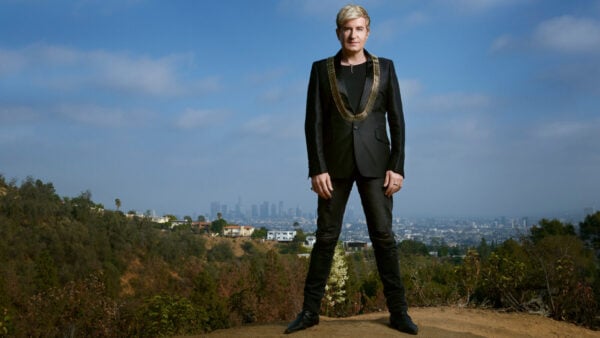
Daniil Trifonov. (Photo: Dario Acosta)
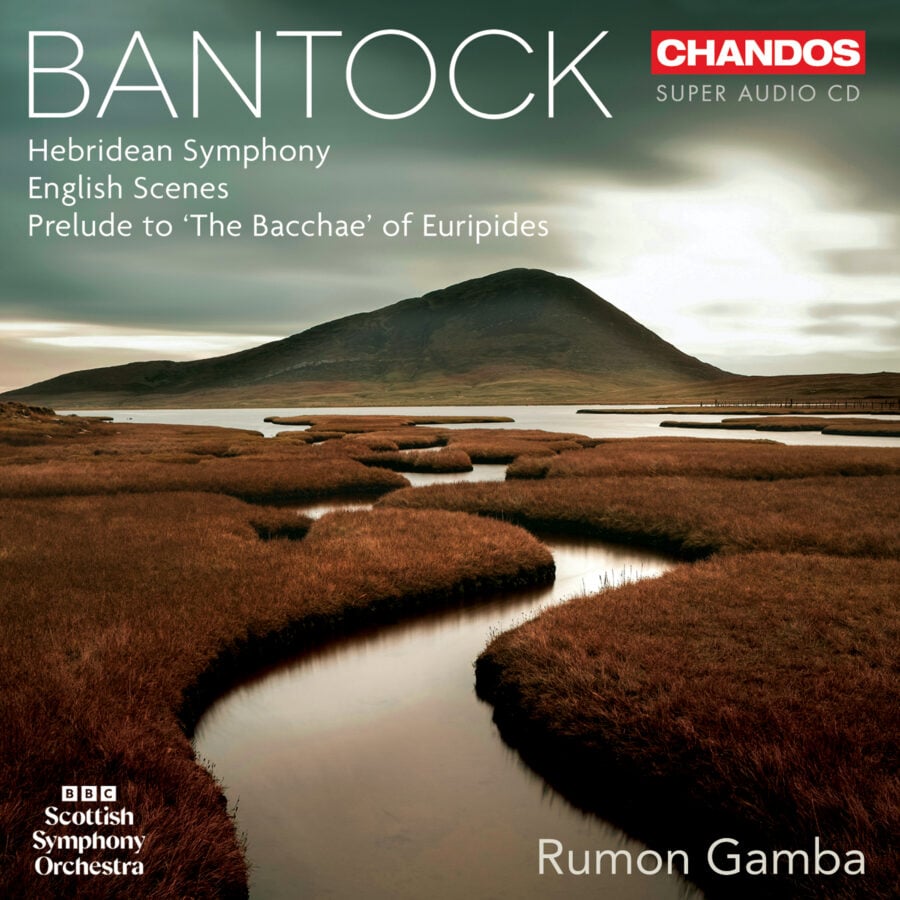
Rumon Gamba and the BBC Scottish Symphony Orchestra present an album of works by Sir Granville Bantock, featuring his Hebridean Symphony, Prelude to The Bacchae of Euripides, and English Scenes. Born into a wealthy family in central London in 1868, Granville Bantock studied music at both Trinity College and at the Royal Academy of Music. Early conducting engagements took him around the world with a musical comedy troupe, before he was appointed as conductor of the New Brighton Tower concerts in Cheshire. Elgar commented that Bantock had “the most fertile musical brain of our time,” On Elgar’s recommendation, he became the first Principal of the new Midland Institute School of Music, in Birmingham, and within seven years had succeeded Elgar as Peyton Professor of Music at the University of Birmingham, a post he held until 1934. His unique musical style combines the romanticism of Wagner with influences of English and Scottish folk music, as well as the exoticism of eastern music. His many champions included Sibelius, who became the first president of the Bantock society formed after the composer’s death in 1946.

The Ariel Quartet (Alexandra Kazovsky, violin; Gershon Gerchikov, violin; Jan Grüning, viola; and Amit Even-Tov, cello) presents the third and final volume of their acclaimed complete Beethoven String Quartets series. The 3-CD album features the “Late” quartets: String Quartet in E-flat major, Op.127; String Quartet in C-sharp minor, Op.131; String Quartet in A minor, Op.132; String Quartet in F major, Op.135; and String Quartet in B-flat major, Op.130, including the “Große Fuge,” Op.133. Distinguished by its virtuosity, probing musical insight, and impassioned performances, the Ariel Quartet first performed the complete Beethoven cycle of quartets in 2013 to mark its 15th anniversary and has since performed the complete cycle on six occasions throughout the United States and Europe. They view the complete quartets as part of their personal life-long journey reflected in Beethoven’s music – works that are interwoven with the evolution of the string quartet genre as well as the group’s own genesis story. Orchid Classics will release a special box set of the complete cycle in March 2027 for the 200th anniversary of Beethoven’s death.

The debut album from violinist Himari features Henryk Wieniawski’s Violin Concerto No. 1, recorded live (when the violinist was 13 years old) with the Berlin Philharmonic conducted by Sebastian Weigle during her debut performances with the orchestra at the Berlin Philharmonie in March 2025. Debut brings together music that has shaped Himari’s musical journey and reflects the repertoire she feels most deeply connected to. “For my first album, I wanted to choose music I truly love and feel deeply connected to, not just pieces that are famous,” says Himari. The Wieniawski concerto has played an important role throughout Himari’s musical life having debuted it professionally with the New Japan Philharmonic in 2023 after preparation with Ida Kavafian at the Curtis Institute. The album also includes recital repertoire recorded with pianist Chelsea Wang including Wieniawski’s Fantasia on Themes from Gounod’s Faust, Chopin transcriptions by Jascha Heifetz and Nathan Milstein, Leopold Godowsky’s Alt Wien, and Sibelius’s Mazurka from Five Pieces for Violin and Piano.
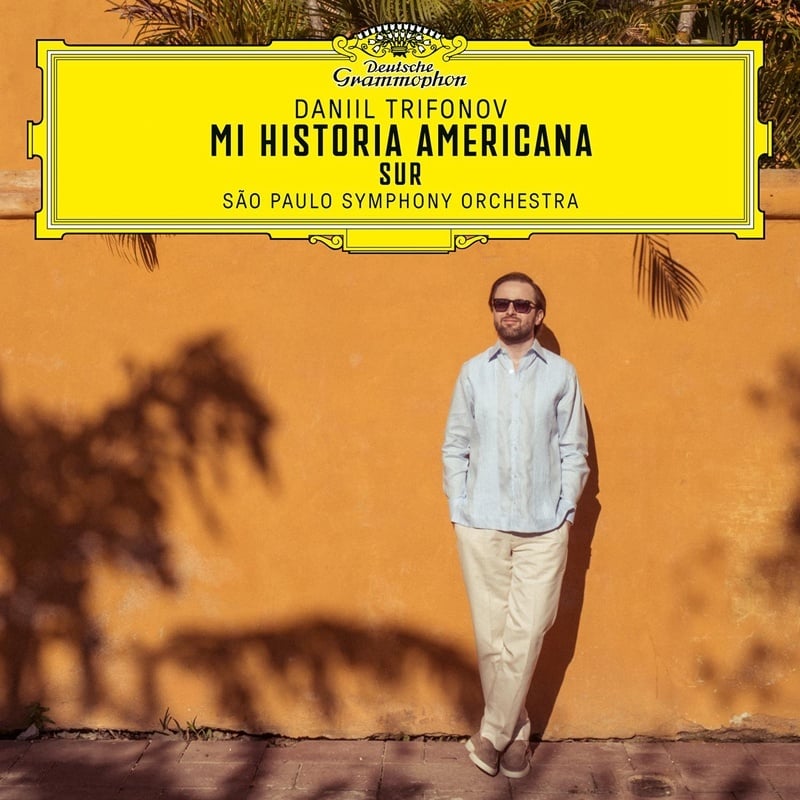
In Daniil Trifonov’s second volume of his musical journey across the Americas, the recent Chicago Symphony Orchestra Artist-in-Residence shares a wide-ranging selection of his Latin American and Caribbean musical discoveries. Trifonov performs his own tango and solo works by composers ranging from Heitor Villa-Lobos to Gabriela Lena Frank. He is also joined by the São Paulo Symphony Orchestra and percussionist/conductor Gonzalo Grau for Ary Barroso’s Aquarela do Brasil and the world premiere recording of Osvoldo Golijov’s Cuadros del Sur, both of which were arranged especially for the project. Much of the inspiration for this album came to the pianist during an extended stay in the homeland of his wife, pianist Judith Ramírez. “My family and I were isolated for months in the Dominican Republic during the Covid pandemic,” he recalls. “It was during that lockdown period that I finally found time to discover a wealth of outstanding Latin American piano music.” Trifonov will perform this repertoire extensively in the 2026-27 season, which includes a Latin American tour with the Berlin Philharmonic.
Queen Christina of Sweden (1626–1689) was one of the 17th century’s most unconventional and extraordinary figures. Crowned at the age of six, she then abdicated when she was 28 and travelled from Stockholm to Rome, where she became a celebrated patron of the arts. Her passion for music helped shape Rome into a cultural capital, where she fostered talents such as Alessandro Scarlatti and Arcangelo Corelli. Queen Christina: Tides of Scandinavian Baroque I traces her remarkable journey through the music she loved, from Swedish court dances by rare 17th century composers Lazarin, Pierre Werdier, Louis Constantin, Philippe de la Hire, and Andreas Düben, to sinfonias, violin sonatas, and a concerto grosso by her favorite Italian masters. Concerto Copenhagen, Denmark’s acclaimed early music ensemble, now brings this story to life with historical insight and artistic vitality, celebrating a queen who not only defied norms but also left an indelible mark on European culture.