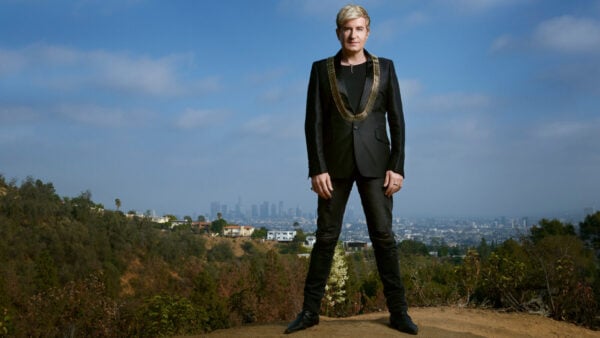
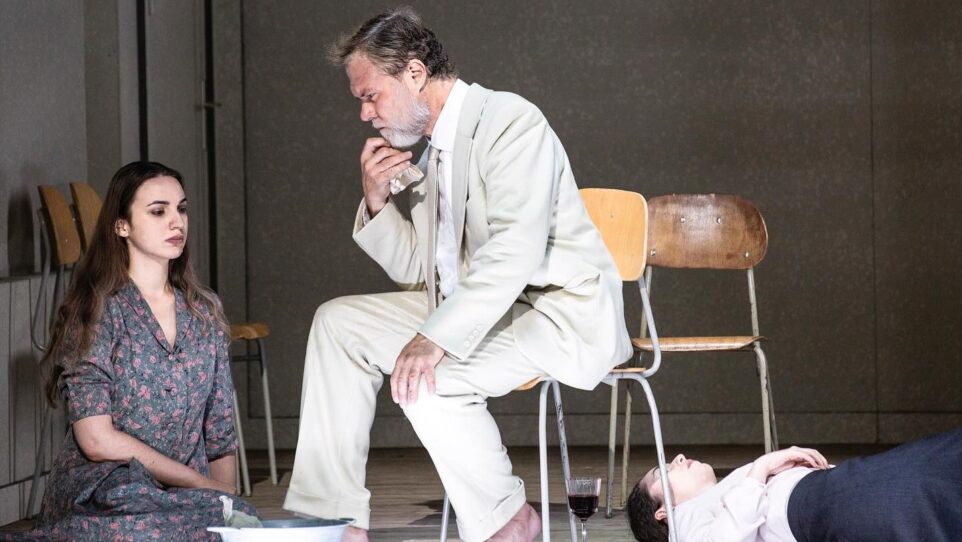
A rare staging of Faure’s only opera. Despite being a success at its 1913 premiere, the work was quickly eclipsed by Stravinsky’s Rite of Spring, which premiered a mere three weeks later in the same theater. The opera tells the story of Ulysses through the eyes of Penelope, who fends off suitors while awaiting his return. Brandon Jovanovich is Ulysses; Victoria …
Gabriel Fauré’s Pénélope
LIVE | Elle Cho, 16, violin

Elle Cho is a violinist at the Music Institute of Chicago Academy. She plays Bach, Beach and Tchaikovsky with pianist Milana Pavchinskaya.
Playlist
Johann Sebastian Bach: Violin Sonata No. 1 in G minor, BWV 1001:
II. Fuga
Amy Beach: Romance in A, Op. 23
Peter Tchaikovsky: Violin Concerto in D, Op. 35:
I. Allegro moderato
Autumn Themes

A special fall-themed episode explores music from the movies, TV shows, and video games that call to mind crisp autumn months.
Kris Kristofferson (04/30/1971)

This WFMT archive hour from the past harkens back to April 1971. Studs Terkel’s guest was the American singer, songwriter, and actor, Kris Kristofferson (1936 – 2024). Kristofferson was born in Brownsville, Texas, in June 1936. He passed away in Maui, Hawaii, in September 2024, and we remember him tonight on the Best of Studs Terkel.
September 15 – September 19, 2025
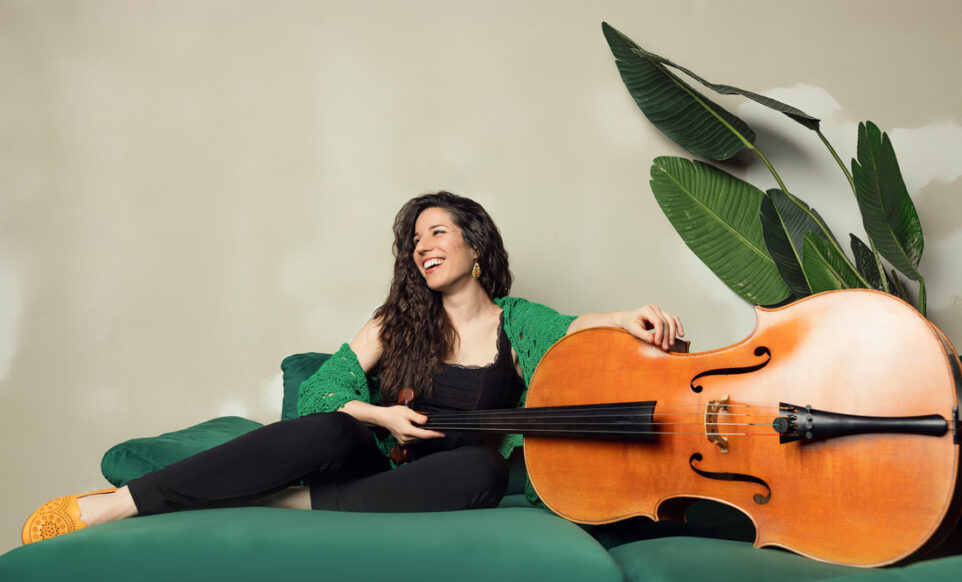
Featured artists this week are cellist Andrea Casarrubios, clarinetist John Bruce Yeh, cellist Dilshod Narzillaev and pianist Victor Santiago Asuncion, guitarist Goran Ivanovic, and violinist Martin Davids.
Ravel and Gershwin
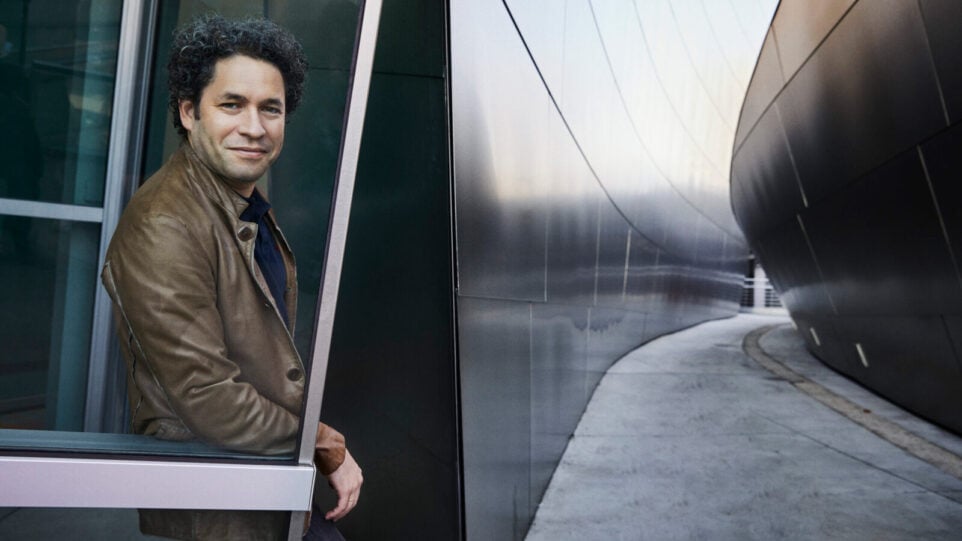
Gustavo Dudamel formally begins his duties as the Music and Artistic Director Designate of the New York Philharmonic this season. Tonight’s program features the decorated conductor leading the ensemble in a variety of works by Ravel, Gershwin, and Edgard Varèse.
Playlist
Edgard Varèse: Amériques
Maurice Ravel: Mother Goose Suite
Maurice Ravel: Prélude et Danse de Sémiramis (World Premiere)
Maurice Ravel: Daphnis et Chloé, Suite No. 2
George Gershwin: An American in Paris
The World of Ramon Llull
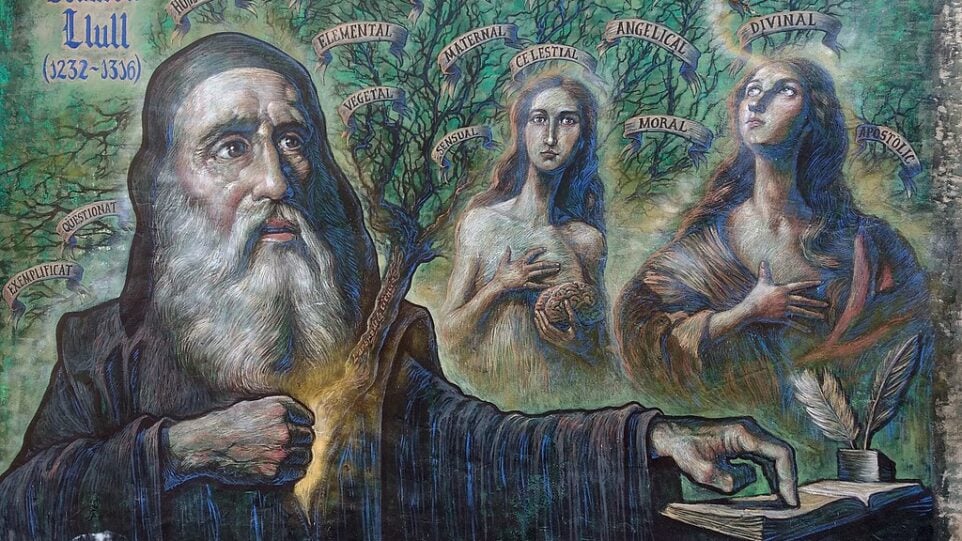
Ramon Llull (1232-1316) was one of the most prominent writers and poets of medieval Catalonia, living at a time marked by the coexistence, not always peacefully, of the three Abrahamic religious cultures of his time. Jordi Savall leads La Capella Reial de Catalunya, Hespèrion XXI, and special guest artists in Ramon Llull: Times of Conquest, Dialogue, and Exhortation; a program …
Playlist
Anonymous
Mawachah Ya man Laibd Bihi Chamoulo (Taksim and Arab Dance)
Raimon de Miraval (1191-1229)
Aissi cum es genser Pascors
Anonymous
Fanfare (winds & percussion)
Raimon de Miraval
Ductia
Anonymous
Veri dulcis in tempore (codex from 1010)
Arabic Lament
Alphonse The Wise
Cantiga de Santa Maria, 100: Santa Maria, strela do dia
Anonymous
Ya Mariam el bekr, Arabic hymn to the Virgin
Mater Dei plena gratia / Mater, virgo pia / Eius
Istampitta:Belicha
Lauda di Cortona: Ave, donna santissima
Complaint of Jerusalem against Rome: Jerusalem se plaint et li païs
Mowachah Billadi Askara Mon abdi Llama
Conductus: Roma gaudins jubila
Teobaldo I de Navarra (1201-1253)
Deus est ainsi comme li pelicans
Anonymous
Quant ai lo mont consirat, spiritual chant
Taksim and Ottoman Dance
Ramon Llull (1232-1316)
El cant de Ramon: Lo Desconhort
Anonymous
Taksim-Conductus: O totius Asie Gloria, Regis Alexandria
Fanfara de Coronació, Te Deum
Jewish Complaint
Wind Dance
Piangeti christiani
Philippe de Vitry (1291-1361)
Motet: Tribum / Quoniam secta / Merito hec patimur
Anonymous
Taksim, Ghazali
Guillaume Dufay (1397-1474)
Veni Sanctus Spiritus
Anonymous
Propiñan de Malyor – Der Makam “Uzzäl usules Darb-i-feth’
Guillaume Dufay
Gloria Patri et Filio (Magnificat)
Anonymous
Dindirindin
Traditional
Apo xeno meros
PERFORMERS
Le Concert des Nations; La Capella Reial de Catalunya; Hespèrion XXI
FEATUED ARTISTS Waed Bouhassoun: vocals, oud
Lluís Vilamajó: tenor
Maria Cristina Kiehr: soprano
Pascal Bertin: countertenor
David Sagastume: countertenor
Pierre Hamon: flutes, pipe
Pedro Estevan: percussion
Moslem Rahal: ney
Hakan Güngör: kanun
Yurdal Tokcan: oud
Haïg Sarikouyoumdjia: duduk, ney
Dimitri Psonis: santur, moresca
Jordi Savall: Director
Opening & Closing Theme for Baroque&Before:
Joan Ambrosio Dalza: Piva, performed by Musica Reservata (Boston Skyline BSD 123)
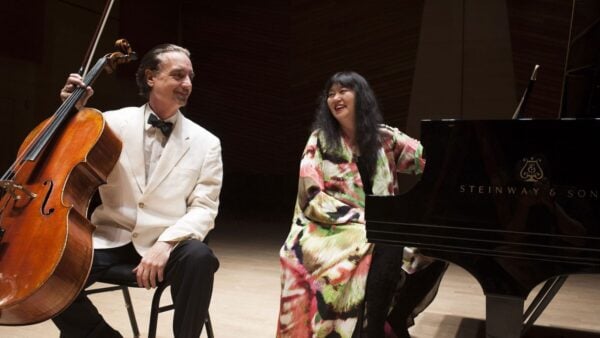
Dilshod Narzillaev, cello and Victor Asuncion, piano
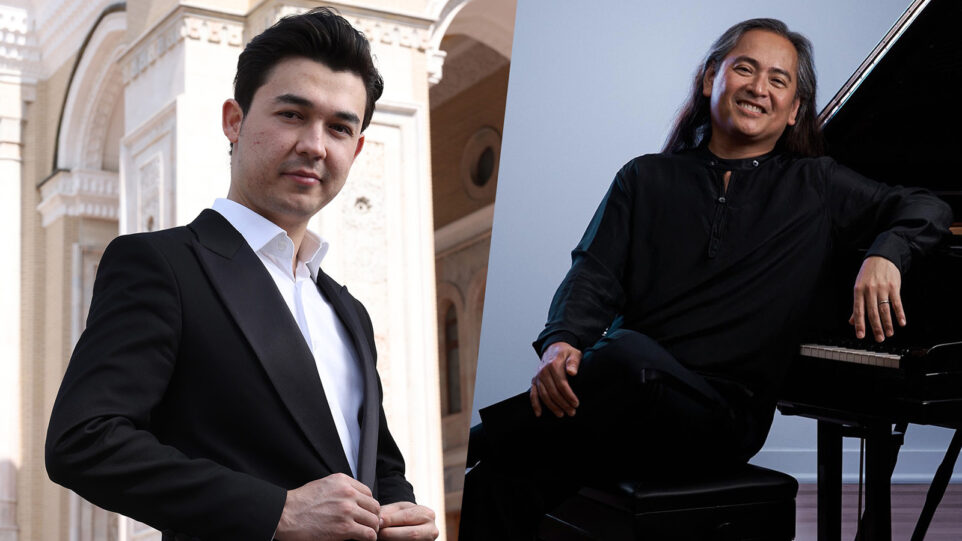
Cellist Dilshod Narzillaev and Pianist Victor Asuncion perform works by Robert Schumann, Afanasyevich Varelas and Johannes Brahms, live from the Seventeenth Church of Christ, Scientist, Chicago. Cellist Dilshod Narzillaev has captivated audiences worldwide with his solo performances alongside prestigious ensembles, including the Boston Pops Orchestra at Symphony Hall, the National and State orchestras of Uzbekistan, the Kansas City Chamber Orchestra, …
Playlist
Some music is excluded from the podcast version for copyright reasons.
Robert Schumann: Adagio and Allegro, Op. 70
Afanasyevich Varelas: Rondo for cello and piano
Johannes Brahms: Cello Sonata No. 1 in E minor, Op. 38
The Romantic Voice

It is of little surprise that some of the most beautiful works for small chamber group and voice come from the Romantic Era. Two such works are paired together on this program. First, Gabriel Fauré’s La Bonne Chanson for Mezzo-Soprano, Two Violins, Viola, Cello, Bass, and Piano, Op. 61, showcases mezzo-soprano Meigui Zhang soaring above a wandering, winding instrumental underscore. …
Playlist
Gabriel Fauré: La Bonne Chanson for Mezzo-Soprano, Two Violins, Viola, Cello, Bass, and Piano, Op. 61
Meigui Zhang, Soprano; Arnaud Sussmann, Violin; Paul Huang, Violin; Matthew Lipman, Viola; David Requiro, Cello; Timothy Cobb, Double Bass; Gloria Chien, Piano
Johannes Brahms: Liebeslieder Walzer for Vocal Quartet and Piano, Four Hands, Op. 52
Susanna Phillips, Soprano; Tamara Mumford, Mezzo-soprano; Nicholas Phan, Tenor; Nathan Gunn, Baritone; Sebastian Knauer, Piano; Anne-Marie McDermott, Piano
New Releases Sept. 16: Spirit of Collaboration
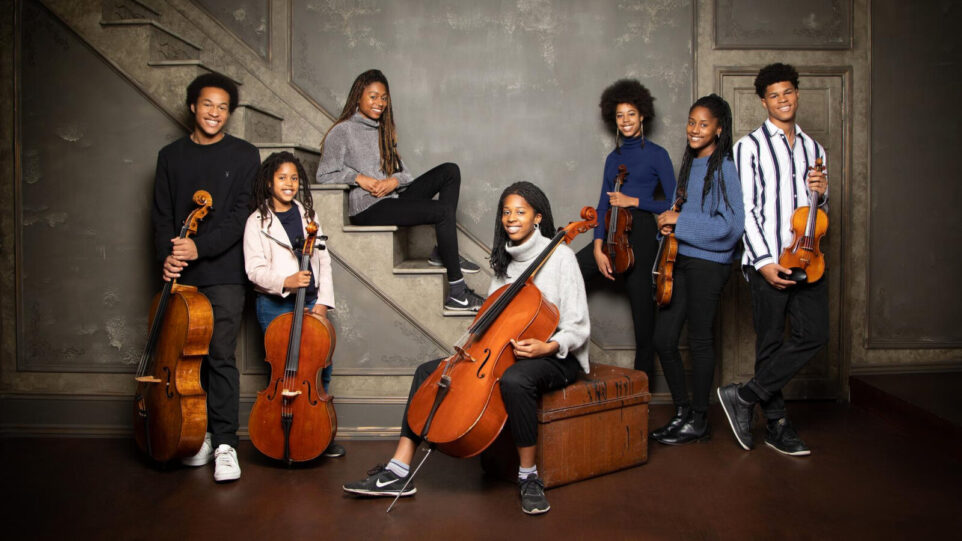
One of classical music’s most beloved families reunites for a new album, plus the debut of a new French baroque ensemble on Harmonia Mundi.
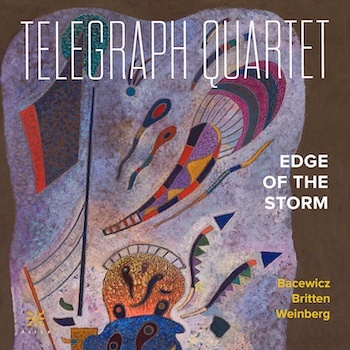
The Telegraph Quartet presents the second volume in its 20th-Century Vantage Points series with a new album examining the turbulent years of war and its aftermath from 1941-1951 through string quartets by Grażyna Bacewicz, Benjamin Britten, and Mieczysław Weinberg. As Kai Christiansen writes in the liner notes, “Each composer featured on the album lived a unique wartime life that unmistakably influenced their equally unique quartet masterworks of the period.” Together, these quartets form a powerful triptych of wartime experience: Britten’s exile and displacement, Weinberg’s direct confrontation with genocide and loss, and Bacewicz’s emergence from underground resistance into post-war renewal.
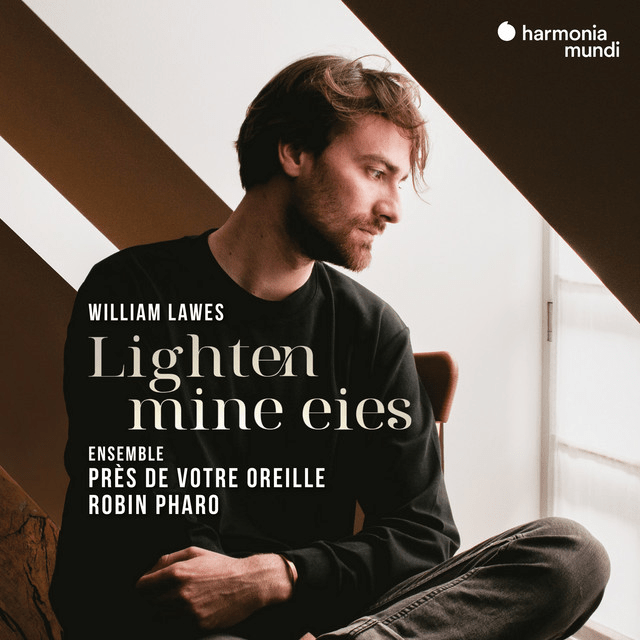
Led by gambist/conductor Robin Pharo, the French period instrument Ensemble Près de votre oreille (Close to your ear) makes its debut on the Harmonia Mundi label with a program of sacred vocal work and viol consorts with harp by William Lawes. The brilliant heir to William Byrd and Orlando Gibbons, Lawes wrote contrapuntal 5- and 6-part works of immense complexity aimed at more experienced musicians and taking the intimate genre of the viol consort to new heights. In his program note, Pharo says “the album, which borrows its title from a psalm attributed to King David (a musician and harpist himself ), forms a musical portrayal of one of the most important of 17th-century English composers, the beauty of whose music should be lastingly recalled – ‘from generation unto generation.’”
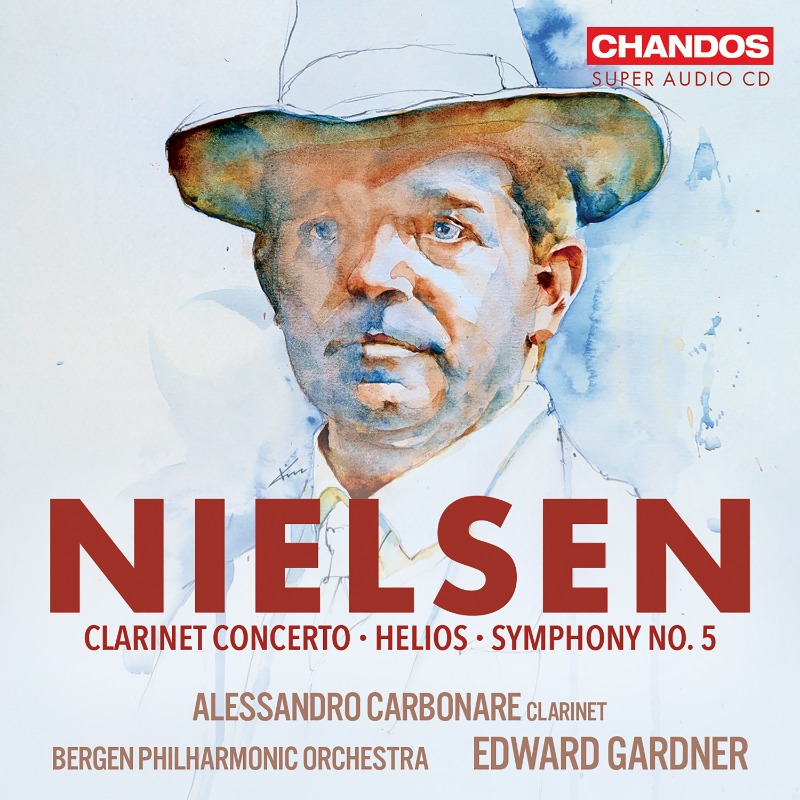
Edward Gardner’s series of Nielsen symphonies with the Bergen Philharmonic Orchestra continues with this recording of the Symphony No. 5 complemented by the overture Helios and the Clarinet Concerto, featuring Alessandro Carbonare as soloist. Composed in 1903 on a trip to Greece, Helios depicts sunrise, noontime, and sunset over the Aegean Sea. The Clarinet Concerto dates from 1928 and is dedicated to Nielsen’s friend Aage Oxenvad, who gave the first performance. Composed between 1920 and 1922, the Fifth Symphony is unusually laid out in just two movements – the only piece by Nielsen to adopt this structure. Unlike his other mature symphonies, the fifth lacks a subtitle, but Nielsen described it as “the division of dark and light, the battle between evil and good” and the opposition between “Dreams and Deeds.” Though often characterized as a “war symphony,” Nielsen insisted that he had not been thinking of World War I while he was composing the work, despite his admission that “not one of us is the same as we were before the war.”
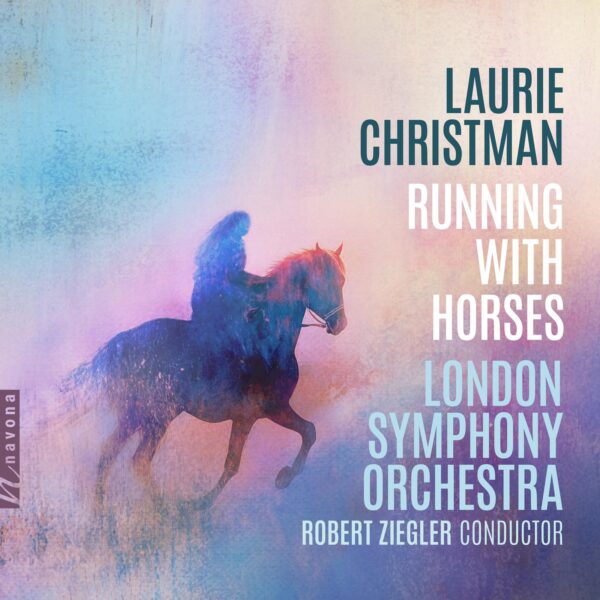
A native of Los Angeles, Laurie Christman was raised in a musical home as her mother had been an opera singer. Her melodic compositional style has been influenced by the music of the Romantic and Impressionist eras. Christman’s compositions embody those musical aesthetics while directing the listener toward a future where concert music continues to be relevant, meaningful, accessible, and inspirational. Nature provides inspiration to much of this collection of six of her orchestral works — the first commercial recording of her works with orchestra — performed by the London Symphony Orchestra conducted by Robert Ziegler.
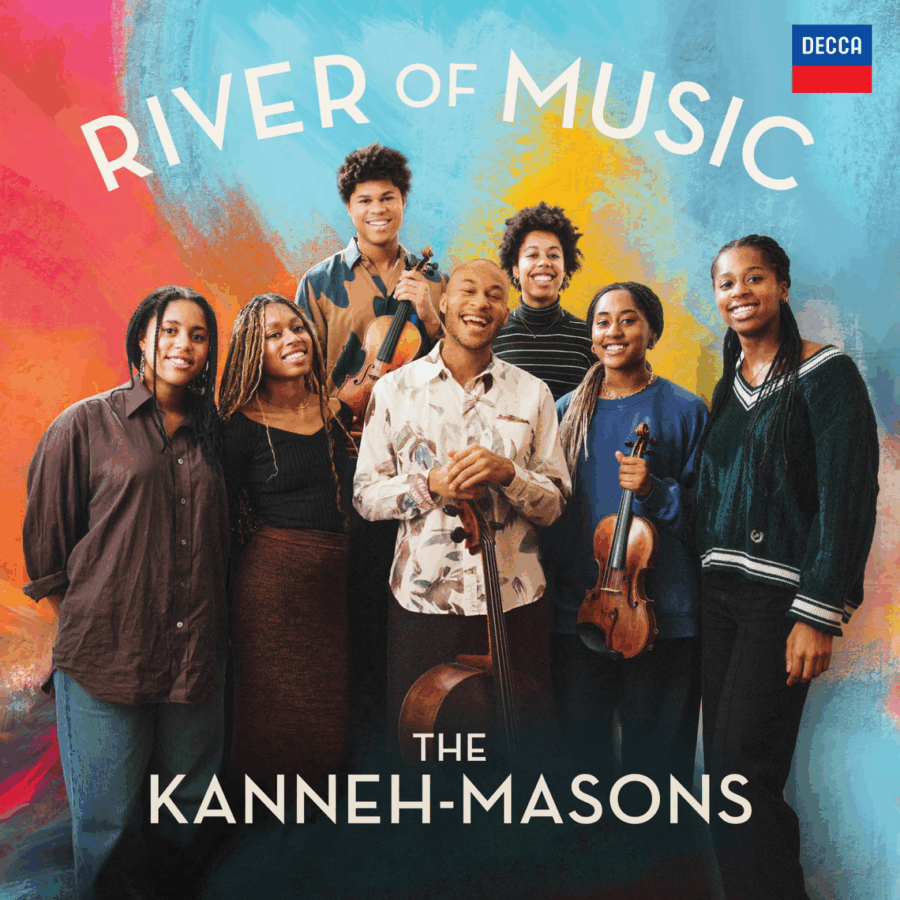
Reuniting all seven of the Kanneh-Mason siblings – Isata, Braimah, Sheku, Konya, Jeneba, Aminata and Mariatu – the family’s second joint album features new arrangements of classical works and folk songs, with the centerpiece being Schubert’s “Trout” Quintet, a beloved family favorite the siblings grew up listening to together. River of Music shares how the Kanneh-Masons’ love of music has been passed on through generations. “This is a story about our family and the sources of our music,” writes Konya Kanneh-Mason, who shares a special family story “Grandad’s Dream” in the album’s liner notes. The program — which includes Samuel Coleridge-Taylor’s Deep River, Braimah and Aminata Kanneh-Mason’s arrangement of Calon Lân, Elgar’s Sospiri, Dvořák’s Song to the Moon, and more — features Hiraeth by Isata Kanneh-Mason, with its title using the untranslatable Welsh word for longing, love, and connection with the homeland.
Related Posts