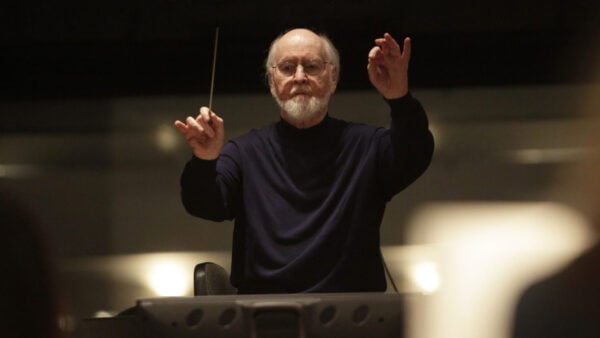
Price concertos, Brahms symphonies, and works for film. Plus a wide variety of contemporary brass works, and music composed by Wilhelm Furtwängler.
New Releases Jul. 8: Price, Brahms, Film
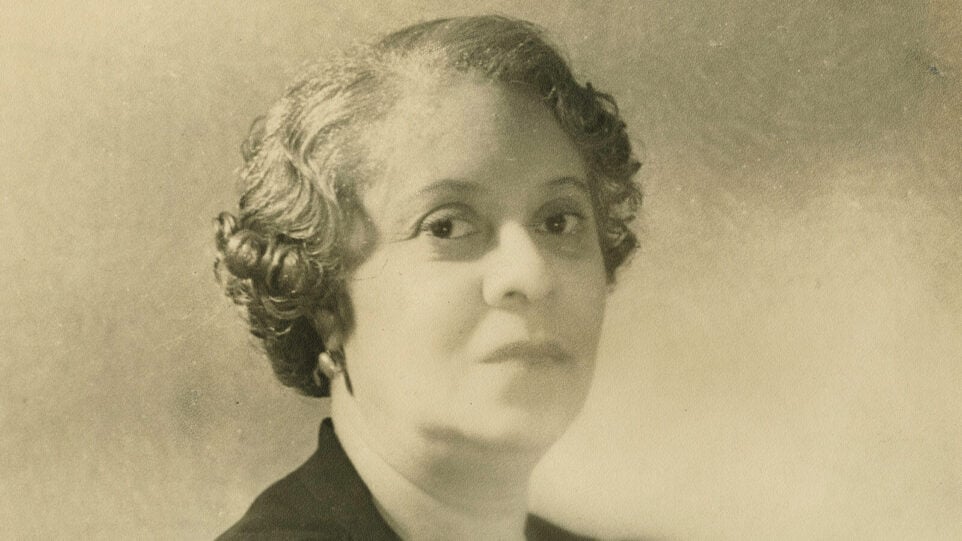
Florence Price (Florence Beatrice Smith Price Papers Addendum (MC 988a), box 2, folder 1, item 5. Special Collections, University of Arkansas Libraries, Fayetteville.)
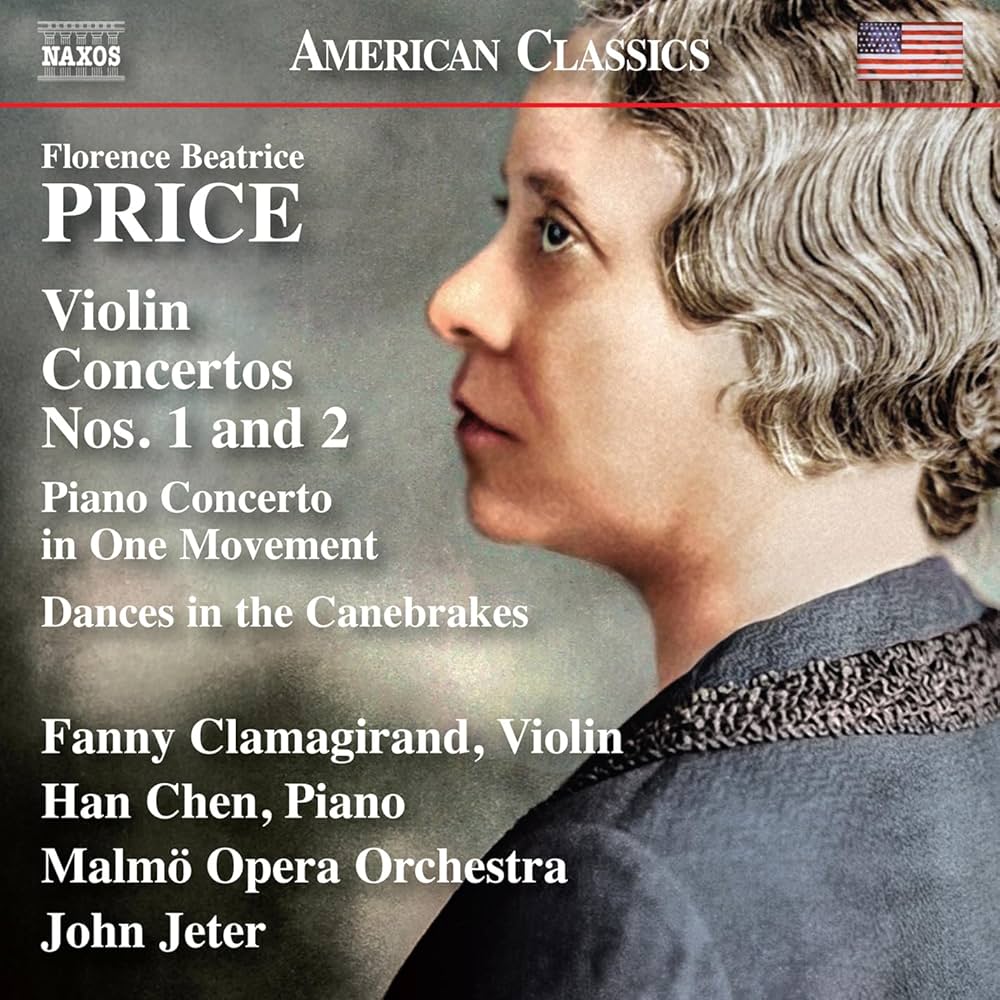
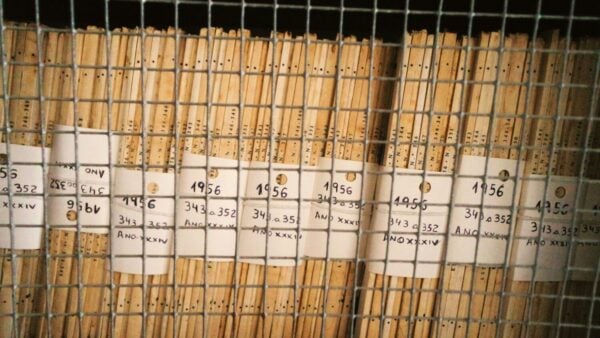
During the decade of the 1930s, Florence Price produced two substantial concertos: the romantic Piano Concerto in One Movement and her first violin concerto – an expansive and richly orchestrated work that was apparently never performed during her lifetime. The later Violin Concerto No. 2 was completed just a few months before her death. These three works represent her entire output in the concerto genre, bookending her compositional life. The Second Violin Concerto is much more compact, written in a single movement. Both violin concertos and the original orchestration of the piano concerto were among the scores that had been lost for decades after being abandoned in a house that was once Price’s summer home. They were rediscovered in 2009 and have since regained their rightful place in the repertoire.
This new release is rounded out with Dances in the Canebrakes – originally for solo piano but heard here in the version orchestrated by William Grant Still.
The soloist for both violin concertos is Fanny Clamagirand, a First Prize winner at both the 2007 Monte-Carlo Violin Masters and the 2005 International Fritz Kreisler Competition. Performing the Piano Concerto is Han Chen, whom Gramophone declared to be “one of the few pianists who handles both gnarly contemporary scores and over-the-top Romantic showpieces with equal authority and style.” John Jeter conducts the Malmö Opera Orchestra.
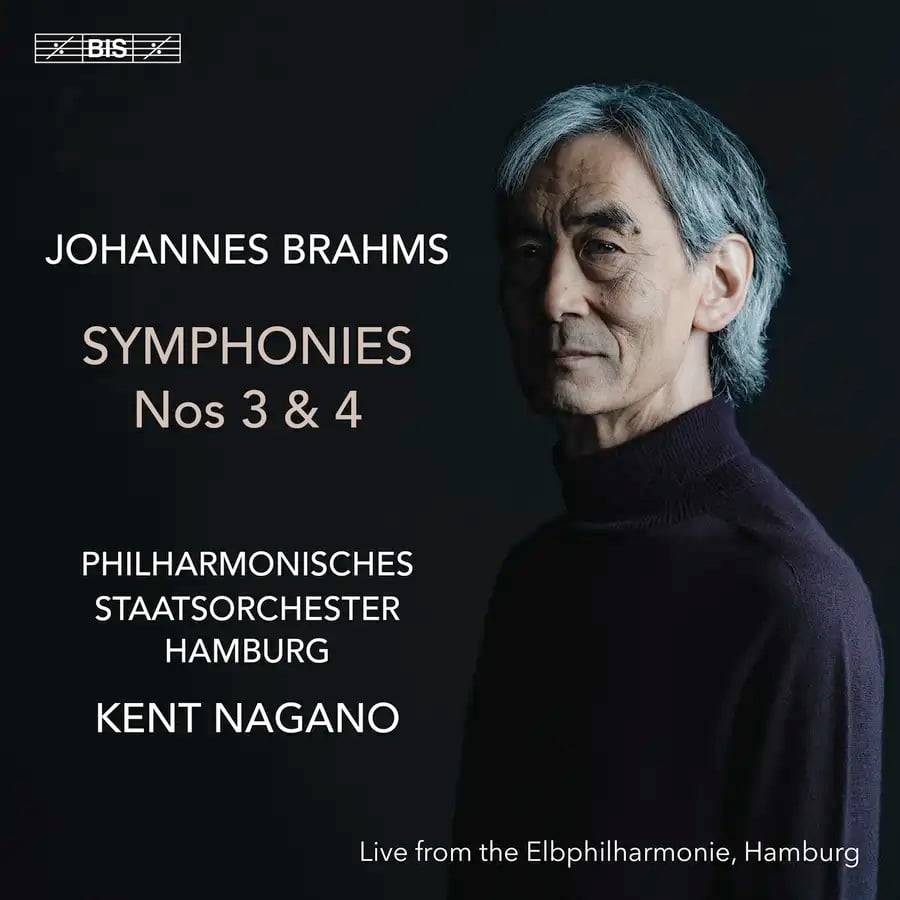
Recently awarded the prestigious Brahms Prize of the Schleswig-Holstein Brahms Society, Kent Nagano and the Hamburg State Philharmonic, of which he was principal conductor from 2015 until 2025, perform the last two symphonies by the Hamburg-born composer, recorded in concert. The most personal of Johannes Brahms’s four symphonies, the Third is both heroic and deeply troubled with each movement ending quietly. The theme of the slow movement has been adapted many times and was famously incorporated into the Frank Sinatra song “Take My Love.” The Fourth Symphony might be described as the most classical of Brahms’s symphonies, not least because of its chaconne finale, a variation form inherited from the Baroque era. The culmination of a genre that cost him so much effort, the Fourth is his last – he would never compose another work of this kind.
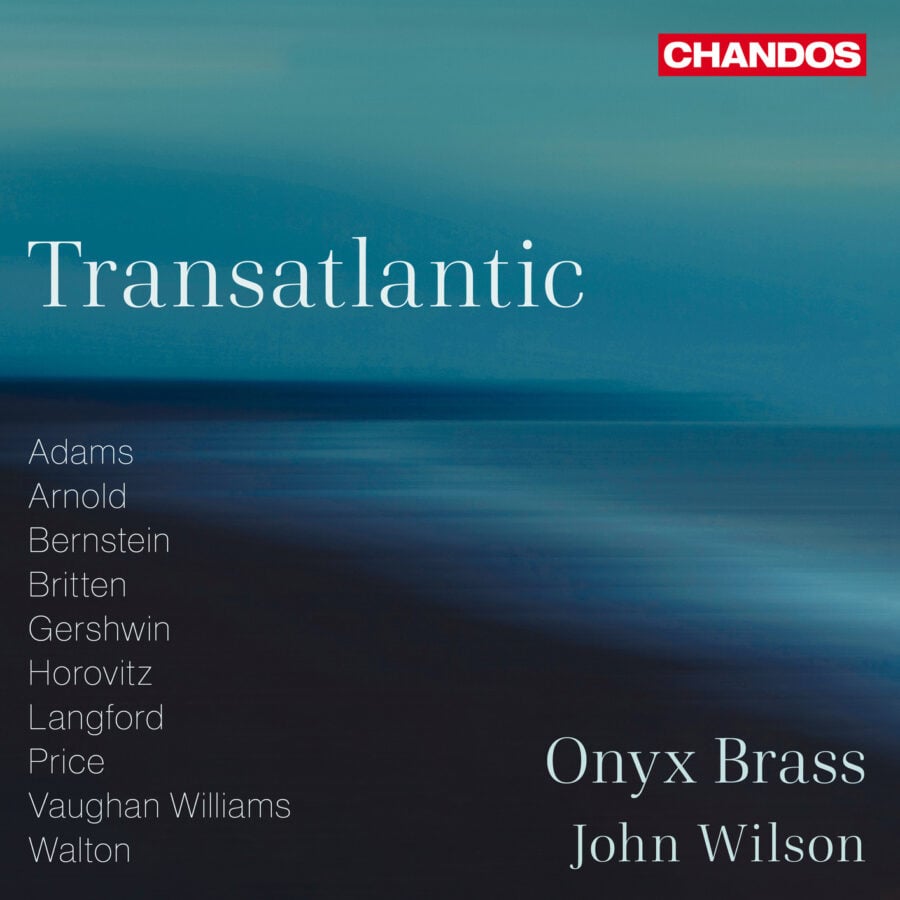
Founded in 1993, Onyx Brass has been a leader in cementing the place of the brass quintet as a medium for serious chamber music. The group has commissioned and performed the world premières of more than 200 new works with many more are in the pipeline for performance and recording. Their new album combines pieces for the ensemble’s core quintet of with works for extended brass forces, plus piano in the case of Florence Price’s Octet for Brasses and Piano. The majority of the pieces here receive their first commercial recording, including two long-forgotten pieces by Benjamin Britten from the Britten Pears Archive in Aldeburgh. Alongside these new discoveries are performances of established favorites such as Malcolm Arnold’s Quintet No. 1, Leonard Bernstein’s Dance Suite, and Joseph Horovitz’s Music Hall Suite. The selection of composers spanning most of the twentieth century, and from both sides of the Atlantic, gives the album a refreshing contrast of musical traditions and styles.
Following their acclaimed mixtape series, Light and Shadow is the sixth album from Orchestra of the Swan and David Le Page. Featuring works by Peter Gabriel, Thomas Newman, and Radiohead alongside music by composers more widely accepted in the classical genre such as Ennio Morricone, Bernard Herrmann, and Ryuichi Sakamoto, this latest installment promises to take you on a compelling, imaginative journey – bridging musical genres such as jazz and electronics in their signature “Swan” style. All selections are arranged by David LePage.
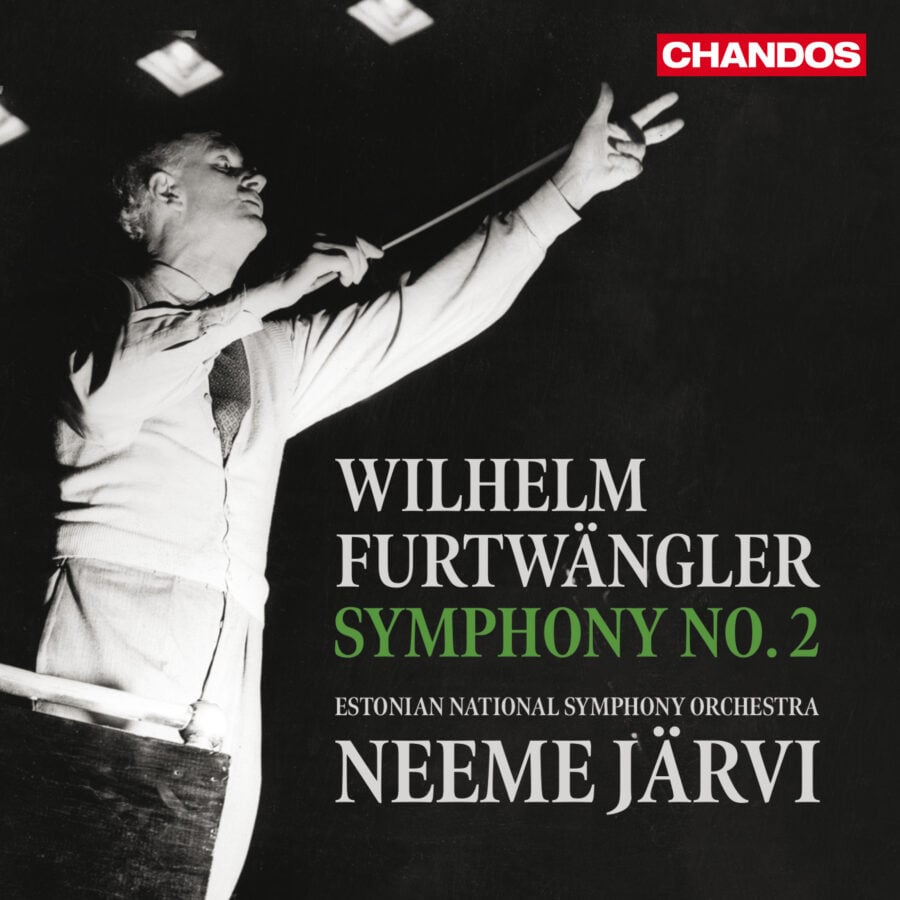
Wilhelm Furtwängler rose to the most important conductorships available, replacing Richard Strauss at the Staatskapelle Berlin in 1920, and then, following the sudden death of Arthur Nikisch, the Leipzig Gewandhaus Orchestra and the Berlin Philharmonic. Through the 1930s and ‘40s, his career was defined by his opposition to Nazism, and the determination of the regime to use his international reputation as propaganda to promote their cause. But in his own estimation, Furtwängler was most importantly a composer, and he learned to conduct primarily so he could promote his own works. He wrote three symphonies, of which the second, performed by the Estonian national Symphony Orchestra under the direction of Neeme Järvi, is the best known. Furtwängler completed it in Switzerland shortly after fleeing Nazi Germany to evade arrest by the Gestapo on suspicion of involvement with resistance activity. The 74-minute work in four movements shows more influence from composers like Bruckner, Mahler, and Wagner than his contemporaries such as Bartók, Hindemith, or Schoenberg.