A collection of new releases that pay tribute to various artists. Many know the brilliant English novelist Jane Austen for her books laced with wit and social commentary, but few know that she was also an ardent piano player. Rising star pianist Jeneba Kanneh-Mason shines a spotlight on this often overlooked part of Austen’s life with an EP dedicated to works the author likely played. Elsewhere in Europe, Daniel Grossman, Shachar Lavi and the Jewish Chamber Orchestra shine a spotlight on two little-known Jewish composers, and the Dutch reed quintet Calefax dedicate a full album to one of their favorite instruments. Finally, East, West, and North combine in a Chinese-German-Finnish trio that explores Baroque works using one of the world’s oldest polyphonic instruments.
New Releases Dec 23: Paying Homage
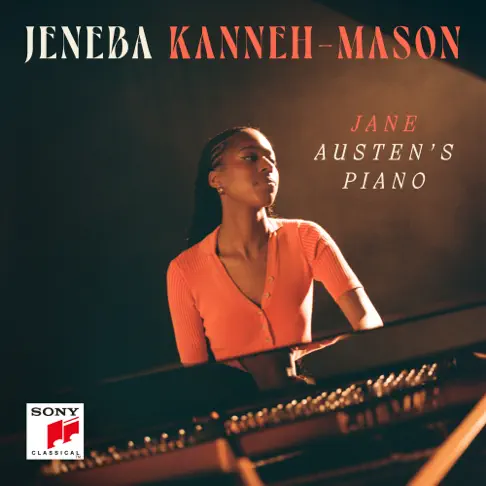
In her new EP commemorating the 250th anniversary of Jane Austen’s birth, rising star pianist Jeneba Kanneh-Mason ponders “with what music may Jane Austen have been familiar? Which pieces might she have performed privately?” The original Austen family music book collection dating from Jane Austen’s lifetime is extant and was able to provide some direction. Furthermore, Jane Austen is also very likely to have visited the annual local Hampshire Music Meeting, for which records exist. Jane Austen’s Piano includes music hand-picked by Jeneba either because of its specific link to the author or for its significance to the time. The recording features music by George Frideric Händel (1732-1809), Joseph Haydn (1685-1759), George Kiallmark (1781-1835) and Johann Baptiste Cramer (1771-1858) plus a bonus Jane Austen-related work composed by Dario Marianelli (b. 1963).
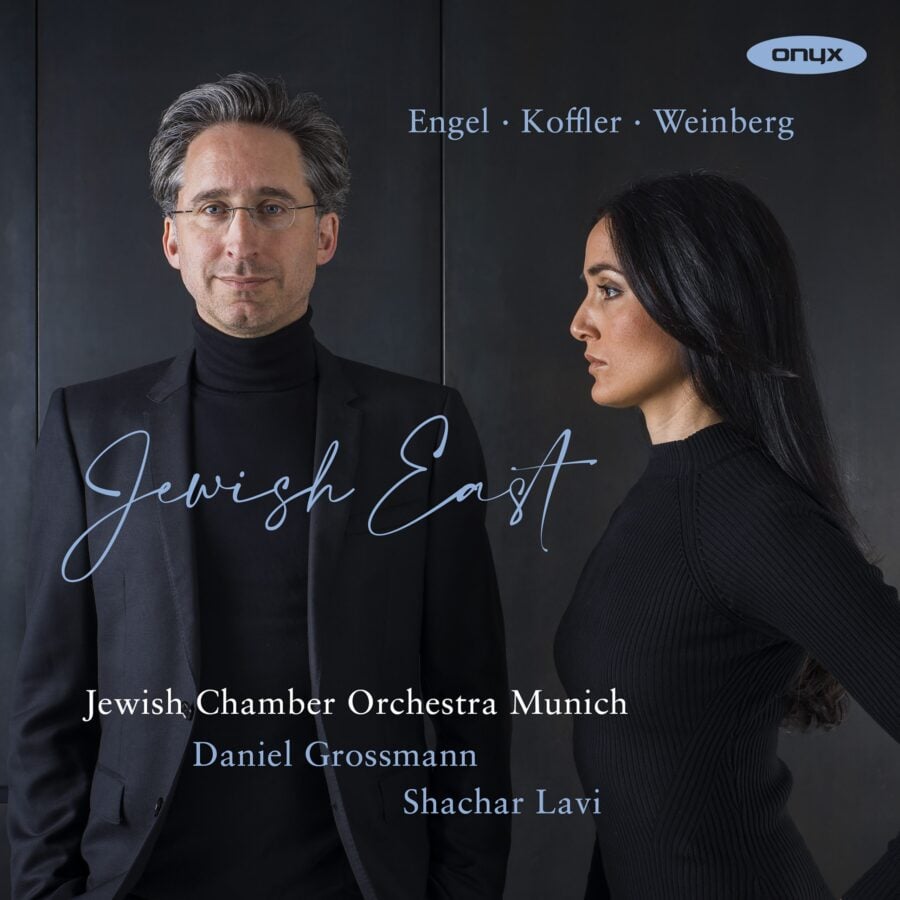
The Jewish Chamber Orchestra Munich, mezzo-soprano Shachar Levi, and conductor Daniel Grossmann present songs by Mieczysław Weinberg and orchestral works by two composers who have all but vanished from history. Jozef Koffler, a Polish Jew, was captured with his wife and young son by German troops in the city of Lwów in 1944, deported to the ghetto in Wieliczka and murdered by one of the German Einsatzgruppen near Krosno where he and his family had been hiding after the liquidation of the ghetto. Joel Engel was born in Ukraine and moved to Mandatory Palestine in 1924. Finding it difficult to adapt to life there, his health declined, and he died in 1927. He did much to keep the traditions of European Jewish music alive and moved in circles that included Heifetz, Godowsky and Piatigorsky.
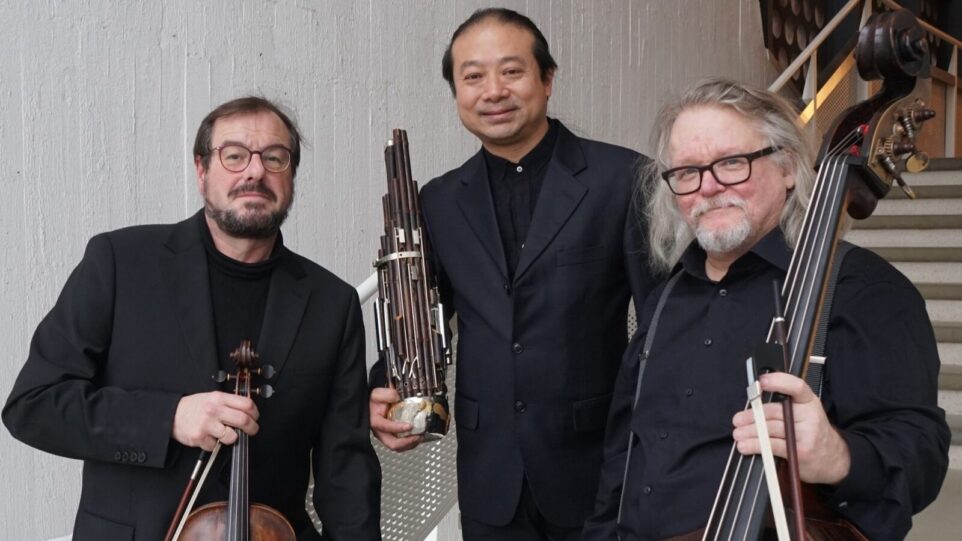
A Chinese-German-Finnish trio comprising sheng virtuoso Wu Wei, violist Martin Stegner, and double bass player Janne Saksala perform arrangements of works by Claudio Monteverdi, J. S. Bach, and Antonio Vivaldi with an additional non-Baroque bonus: “Buremarsj frå Beiarn,” a bridal march from Norwegian folk tradition. The sheng, whose history goes back three thousand years, is a free reed polyphonic instrument, with vertical bamboo pipes cased in a metal bowl. Its sound has been likened to the singing phoenix of Chinese legend, “silvery and fleeting as the wind.” Wu Wei plays a custom developed sheng with a key mechanism that gives him full access also to the Western tonal system. “An entirely new world of sound opened up for me. I had never heard early music like that before: so rich in colour, so immediately moving,” says Martin Stegner of his experience playing with Wu Wei.
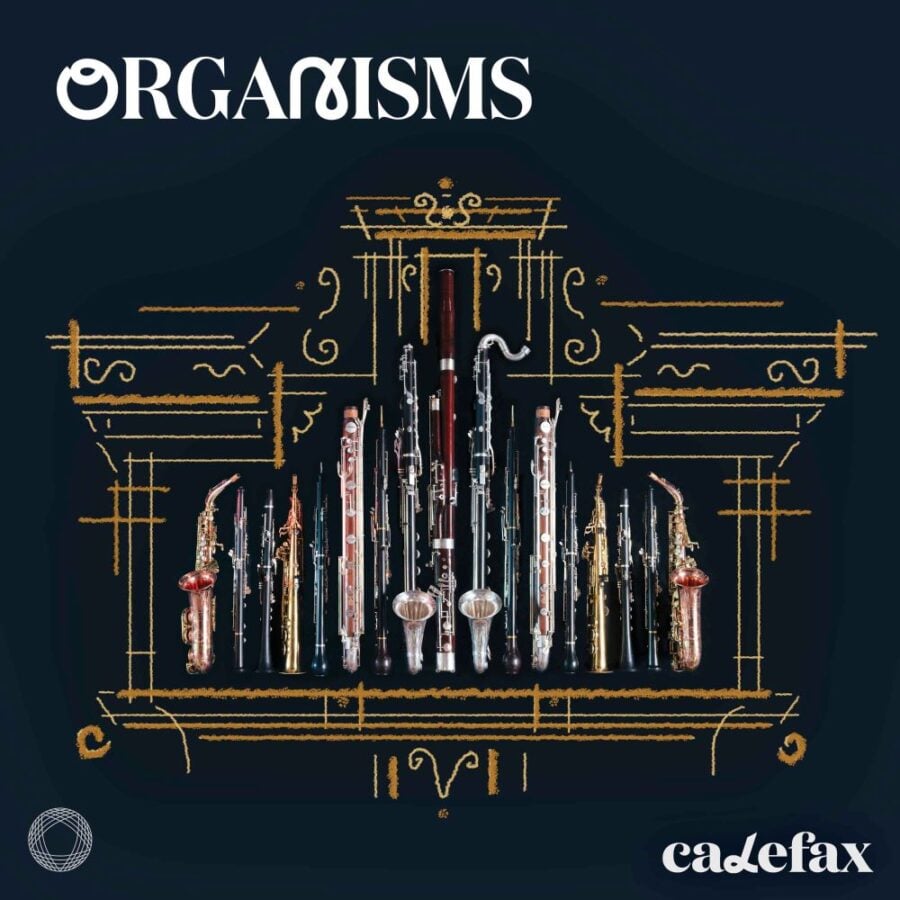
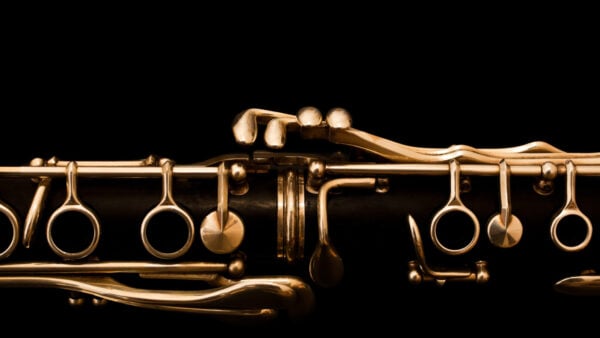
With their latest album, reeed quintet Calefax explores the majestic and mysterious essence of the organ— without an organ in sight. Revoicing centuries of repertoire for their wind ensemble, they channel the instrument’s spiritual depth, improvisational roots, and theatrical flair through breath and reed instead of pipes. From Jan Pieterszoon Sweelinck’s Fantasia Chromatica and Nicolaus Bruhns’s richly imaginative Prelude in E Minor, through the intimate final chorales of Brahms and Franck, to Florence Price’s Suite No. 1, which blends African American musical traditions with Romantic expressiveness, this album redefines the organ not as a sacred machine, but as a vital force of musical imagination.
![MOB_12.18.22_by_ElliotMandel-21[66]-169](https://www.wfmt.com/wp-content/uploads/2024/11/MOB_12.18.22_by_ElliotMandel-2166-169-600x338.jpg "Holiday Programming on WFMT 2024")