For many around the world, it’s not really the new year until the Vienna Philharmonic plays their annual New Year’s Day concert. Music from the 2026 event, featuring conductor Yannick Nézet‑Séguin, is now available to be enjoyed. In other nods to tradition, Los Angeles-based guitarist Joseph Ehrenpreis marks the 400th anniversary of John Dowland’s death with a collection of solo pieces by the composer, while violinist Eldbjørg Hemsing reimagines 20 of J.S. Bach’s most beloved melodies in playful, yet intricate arrangements for chamber ensemble. Also new this week is Zachary Wilder’s Brooklyn Suite, full of music inspired by his great, great uncle’s home gatherings, his family’s Jewish roots, tin pan alley and musical theater tunes.
New Releases Jan 12: What’s Old is New
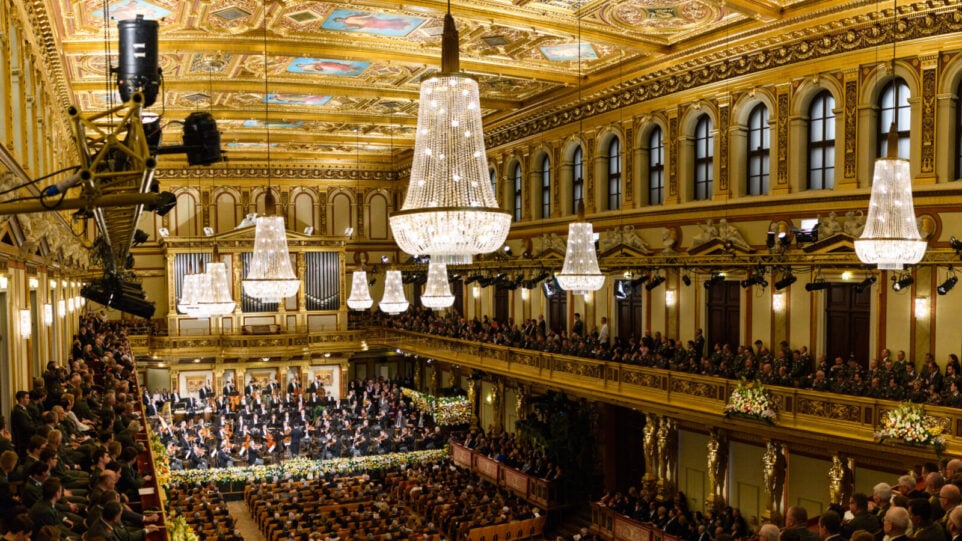
Vienna Philharmonic Orchestra (Photo: © Benedikt Dinkhauser)
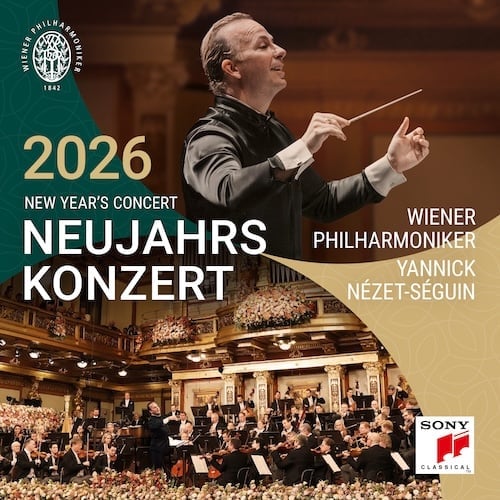
A souvenir of the famed Vienna Philharmonic’s 2026 New Year’s Day concert, an offering “a greeting of hope, friendship, and peace,” broadcast live around the world from the lavish Golden Hall of the Musikverein in Vienna. A tradition since 1939, this year’s program included beloved Viennese favorites Roses from the South and the Egyptian March along with lesser known but equally sparkling music by the Strauss family, Josephine Weinlich, Florence Price, and others. With this concert, Yannick Nézet‑Séguin, who has enjoyed a long‑standing collaboration with the Vienna Philharmonic, joining the ranks of past maestros like Herbert von Karajan, Carlos Kleiber, Zubin Mehta, Riccardo Muti, and Gustavo Dudamel, in conducting one of classical music’s most celebrated annual performances.
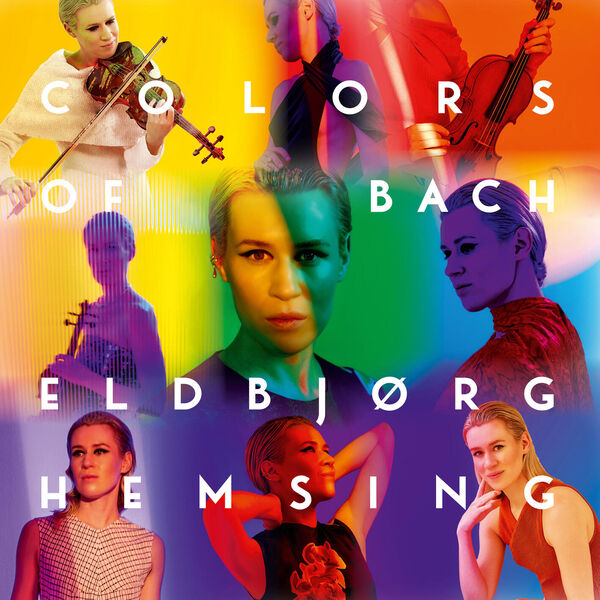
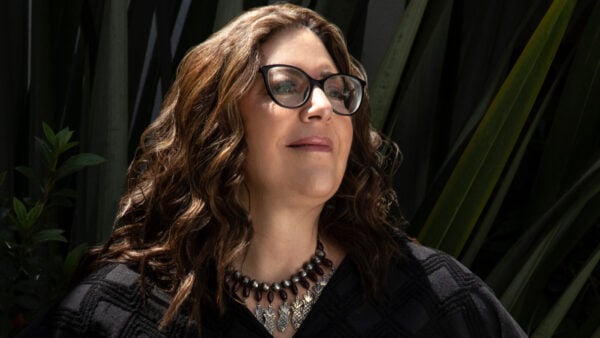
Violinist Eldbjørg Hemsing reimagines 20 of J.S. Bach’s most beloved melodies in playful, yet intricate arrangements for chamber ensemble with piano or harpsichord. At the core of this project lies a shared artistic philosophy: to expand, rethink, and reshape Bach’s music without ever diminishing it. The arrangers draw strength from the positive and universal nature of his themes and harmonies, aiming to preserve the inherent optimism that runs through his work. “Bach is such a genius composer,” Eldbjørg Hemsing reflects, “that there are endless ways to look at the shapes and forms that make up his pieces. Every melody Bach composed contains an intriguing duality of being highly technical, yet profoundly emotional; and, thus, there are endless possibilities for reinterpretation.” At its heart, the album exudes joy, hope, and, ultimately, playfulness. “We wanted to create an opportunity for the audience to reconnect with such important pieces of history,” Hemsing notes. “And, perhaps, this time, discovering their own interpretation of it in the process.”
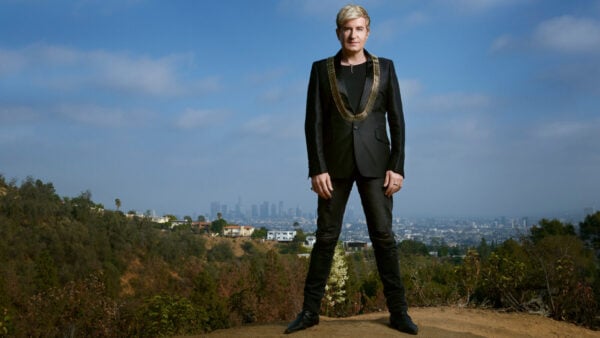
Marking the 400th anniversary of John Dowland’s death (1563–1626), Los Angeles-based guitarist Joseph Ehrenpreis presents a collection solo pieces by the English composer who bridged the late Renaissance to the early Baroque era. Ehrenpreis arranged Dowland’s music from lute tablature to his 8-string “Brahms Guitar,” an instrument invented by David Rubio and Paul Galbraith in 1994 that uses an endpin and a resonance box, boasting an extended upper and lower range. The album’s title comes from Dowland’s theme and variations based on a popular song of the same name of which the only surviving material is Dowland’s vocal in-tabulation. The etymology of the word in Arabic al-sabr means “endurance” or “patience” or, the Hebrew ahaloth, associated with embalming, sacred ritual, fragrance, whereas in Elizabethan times aloe was associated with bitterness, and used as a medicinal purgative. “I felt that as a whole, this encapsulates Dowland’s artistic output, a man who self describes as ‘Semper Dowland Semper Dolens’ or, ‘When it’s Dowland, it is Sad,’ says Ehrenpreis. “This is renaissance Emo music, and I think Dowland’s attitude and departure from the court has been very influential to punk music and music for the masses, it’s no wonder artists like Sting love to sing it, too.”
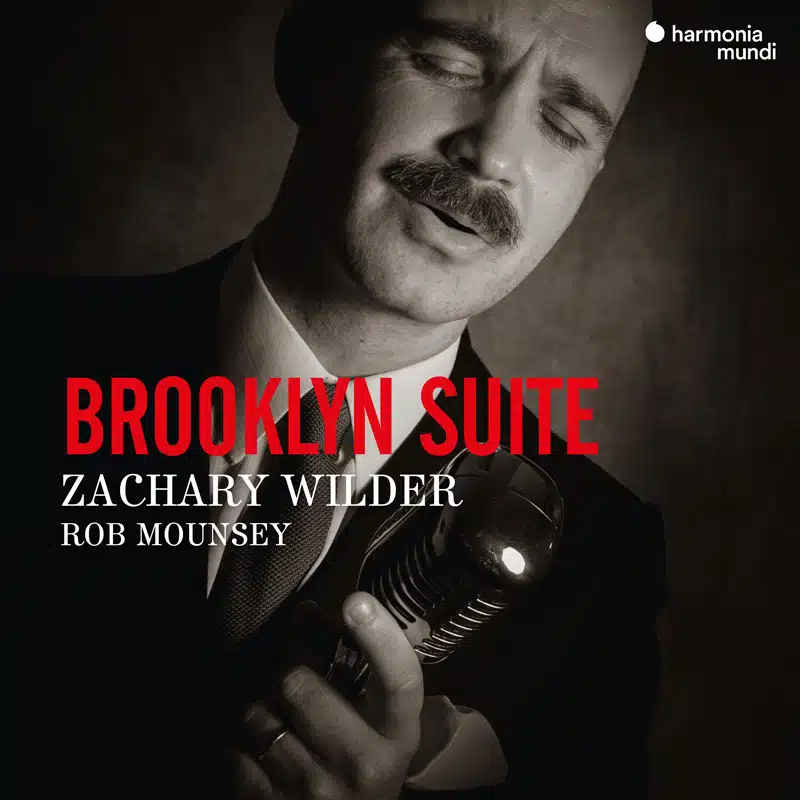
Tenor Zachary Wilder is the descendant of a large family of Jewish immigrants, musicians who fled their small Lithuanian shtetl of Panevezys to escape the persecution of the brutal pogroms in the late 19th Century. Emigrating to America, the Steinfelds settled and flourished in their new home of Brooklyn. In Brooklyn Suite, Wilder reimagines his great, great uncles’ home gatherings with their instruments of guitars, woodwinds and strings, the evening evolving into a dizzyingly varied repertoire of Yiddish operetta, chamber music, Gershwin, Berlin, tin pan alley and musical theater tunes. Famed producer and musician Rob Mounsey — a six-time Grammy Award-nominee and two-time Emmy Award-winner — helps Wilder bring this vision to life, each piece becoming the echo of a story shared between nostalgia, invention, and transmission. Highly sought-after for his interpretations of 17th and 18th century repertoire, Zachary Wilder makes his debut with Haymarket Opera Company in 2026 as Monteverdi’s Orfeo.