Wrapping up women’s history month with a handful of albums that highlight women composers and performers. Sarah Kirkland Snider’s latest recording features four of the composer’s orchestral works, while the young and decorated Brompton Quartet features almost a millenia of women composers in their debut album. Midori presents an album of works, including concertos, by the Schumanns. Also featured this week is a disc focused on the orchestral music of a primarily operatic composer, and a new recording of Bach’s iconic St. John Passion.
New Releases Mar 24: A Focus on Women Composers

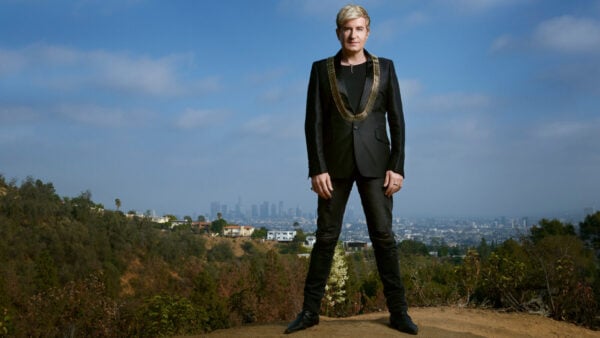
Sara Kirkland Snider (Photo: Publicity Photos, Artist's Website)
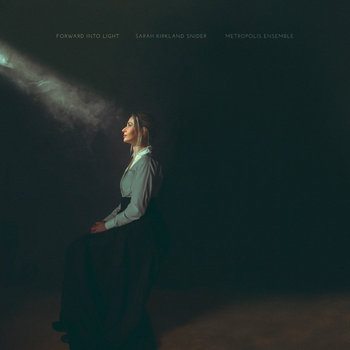
Sarah Kirkland Snider’s latest album features four of the composer’s orchestral works performed by Metropolis Ensemble led by artistic director Andrew Cyr. The title work, Forward Into Light, is a commission for the New York Philharmonic inspired by the American women’s suffrage movement. The album includes a reimagining of the string quartet Snider wrote for the Emerson String Quartet as the ensemble’s final commission – Drink the Wild Ayre in a version for string orchestra and harp, featuring harpist Noël Wan; Eye of Mnemosyne, a multimedia orchestral work on memory, innovation, and culture as refracted through the lens of photography, commissioned by the Rochester Philharmonic; and Something for the Dark, a meditation on resilience, commissioned by the Detroit Symphony Orchestra after Snider won its Lebenbom Competition in 2014.
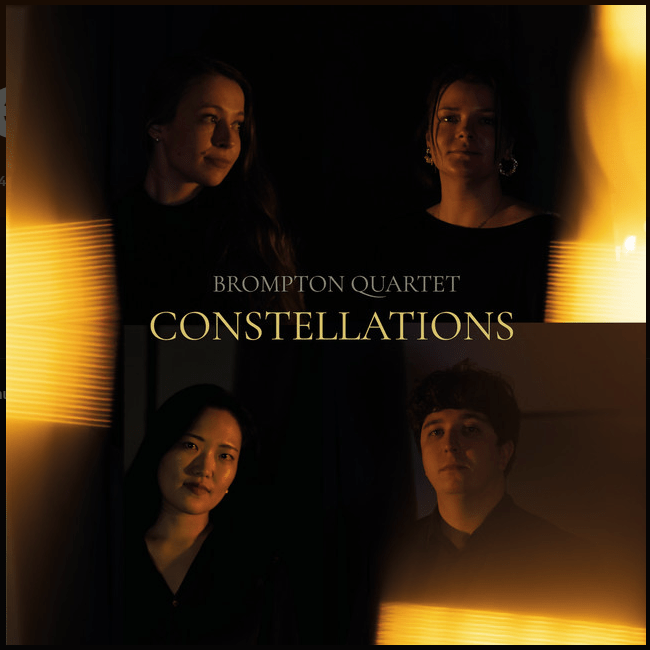
Winner of the 2019 St Martin-in-the-Fields Chamber Music Competition, the Brompton Quartet was formed in 2018 at the Royal College of Music and has performed extensively around the UK, making debuts at major London concert venues including the Wigmore Hall, Kings Place, and the Southbank Centre. The string quartet’s debut album traces a musical journey through almost a millennium of music by six female composers – Hildegard von Bingen, Jessie Montgomery, Dobrinka Tabakova, Grażyna Bacewicz, Barbara Strozzi, and Isidora Žebeljan. “The six pieces on our album speak to one another in the way stars form a constellation – separate, yet connected,” says cellist Wallis Power. “Each one is self-contained, but together they tell a larger story of women in music.”
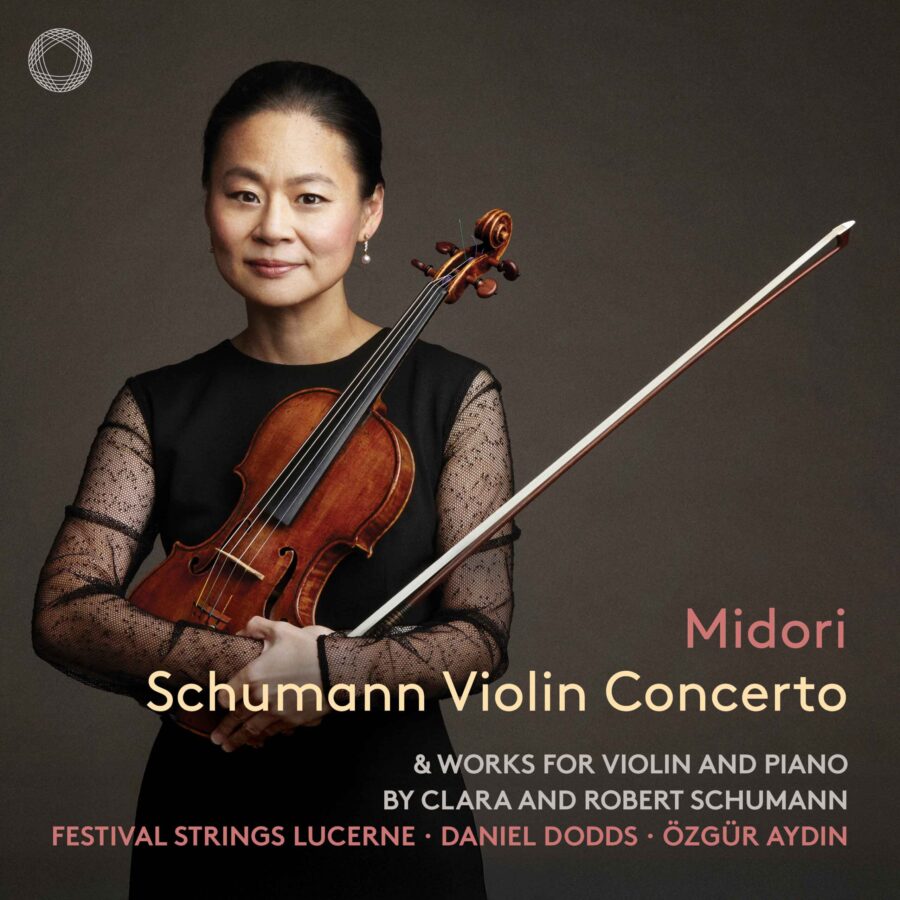
Violinist Midori — artistic director of the Ravinia Steans Music Institute program for piano and strings — presents an album of works by Robert and Clara Schumann with pianist Özgür Aydin and the Festival Strings Lucerne under the direction of Daniel Dodds. Robert Schumann’s Violin Concerto in D Minor was composed in 1853 but withheld from publication for more than eighty years after Clara and Joseph Joachim questioned its place within Robert’s legacy. Long clouded by its troubled history and a problematic 1937 premiere, the concerto has only recently gained recognition as a powerful and distinctive late work. The program also includes Robert Schumann’s Five Pieces in Folk Style, Op. 102, and Three Romances, Op. 94 – lyrical miniatures from his remarkably productive year of 1849, alongside Clara Schumann’s Three Romances, Op. 22, dedicated to Joachim and now fully restored to the repertoire after decades of neglect.
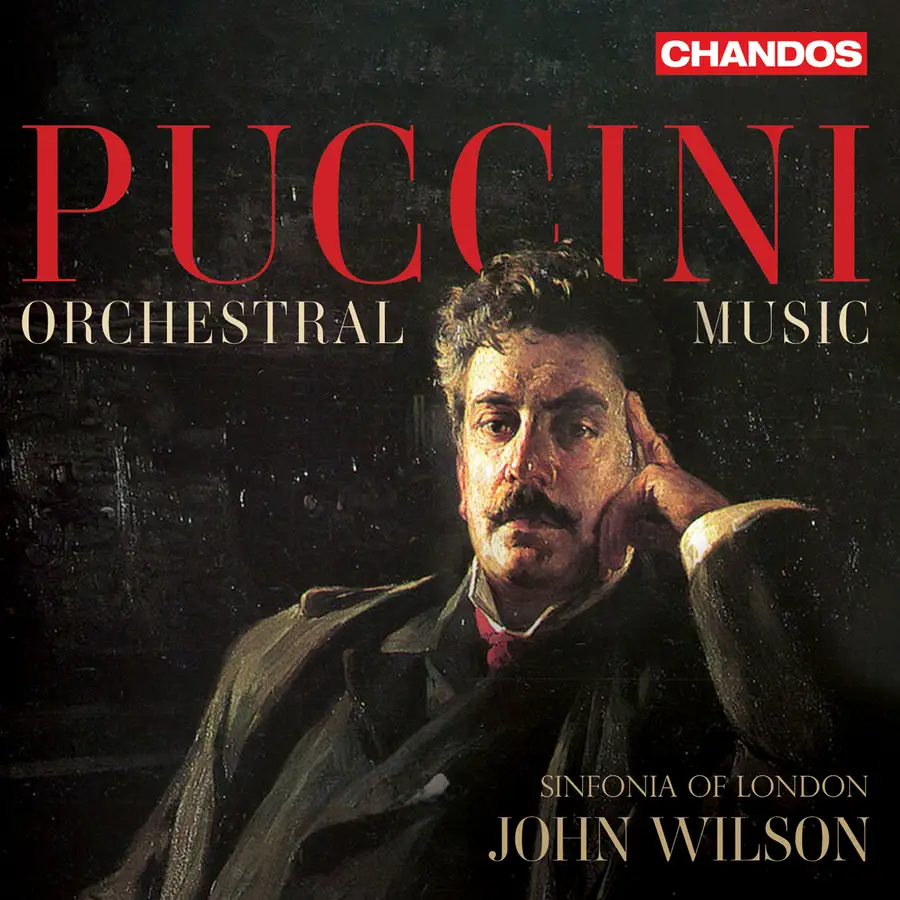
Written in 1892, Puccini’s Manon Lescaut catapulted him to international fame, but his early works — pre-Manon Lescaut — offer a fascinating insight into his development as a composer. John Wilson and the Sinfonia of London lead a journey through this development that includes student compositions and orchestral extracts from Puccini’s earliest operas. The Preludio sinfonico (loosely based on Wagner’s Prelude to Lohengrin) was created while Puccini was studying under Amilcare Ponchielli at the Milan Conservatory from 1880 to 1883, as was the Scherzo, Trio, and Adagetto and the Capriccio sinfonico, his graduation piece, which famously anticipates the opening of La bohème. The one-act opera Le villi was composed for a competition – which Puccini didn’t win – while themes from the contemporaneous Tre minuetti and Crisantemi (both for string quartet) were subsequently re-cycled in Manon Lescaut. Verdi’s publisher, Ricordi, bought the rights to Le villi, and commissioned a new work at the same time: Edgar, which, largely owing to the absurd plot, is arguably Puccini’s only failure, despite some fully mature music easily the match of the more celebrated scores.
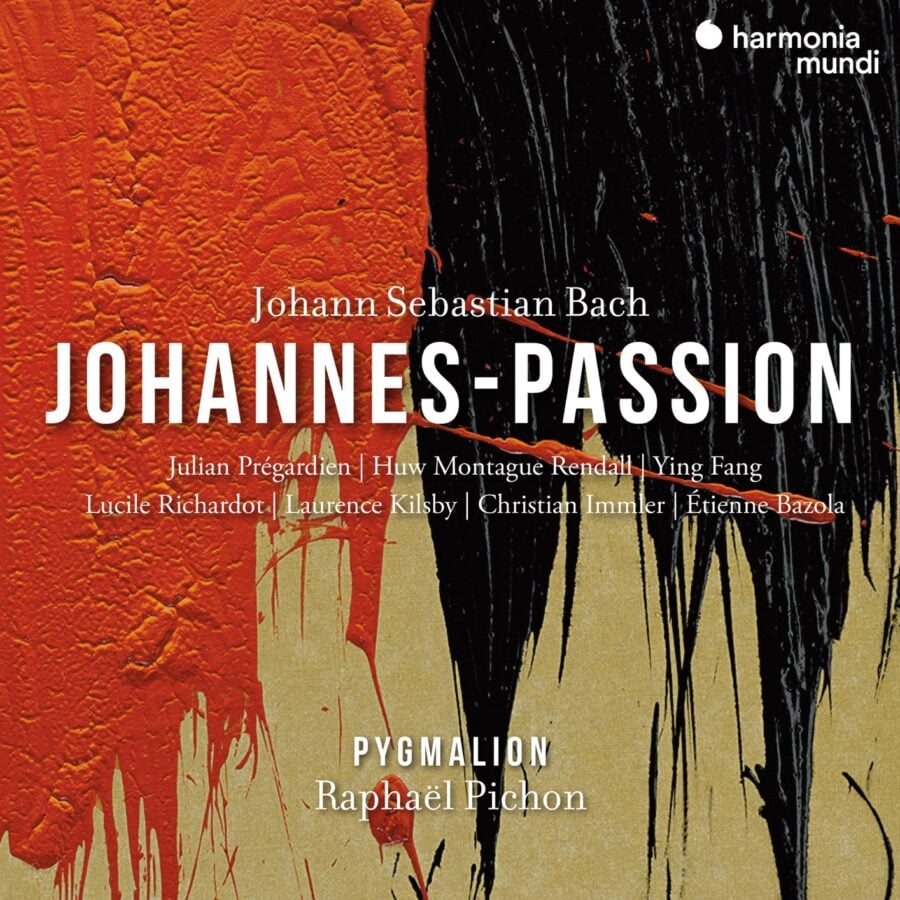
Raphaël Pichon and his ensemble Pygmalion have emerged as superlative interpreters of Bach. They continue their exploration of the composer’s major works with this new recording of the St. John Passion. With their exemplary articulation and dynamic flexibility, the Pygmalion chorus is at the center of this striking drama. Raphaël Pichon’s precise direction restores the Passion’s original dramatic arc, instilling the soloists with the same demandingly high standards of musical narrative and truth. Tenor Julian Prégardien is the Evangelist and baritone Huw Monatague Rendall performs the role of Jesus. Soprano Ying Fang, contralto Lucile Richardot, tenor Laurence Kilsby, and basses Christian Immler and Étienne Bazola take on the other solo roles and arias.