March concludes with a mix of music pulling from all corners of classical music. The Lyric Opera of Chicago presents selections from a legendary all-Puccini concert by opera star Sondra Radvanosky, while the all-women a capella ensemble Lyyra combine past and present in their debut album. Two composers are honored as well: the late Icelandic composer Jóhann Jóhannsson, whose works have been transcribed for piano by Alice Sara Ott, and Leokadiya Kashperova – Igor Stravinsky’s piano teacher. Finally, lutenist Evangelina Mascardi takes listeners beyond the works of Vivaldi by showcasing other works for lute that were once extremely popular in the classical era.
New Releases Mar 31: Puccini, Vivaldi, and Jóhann Jóhannsson
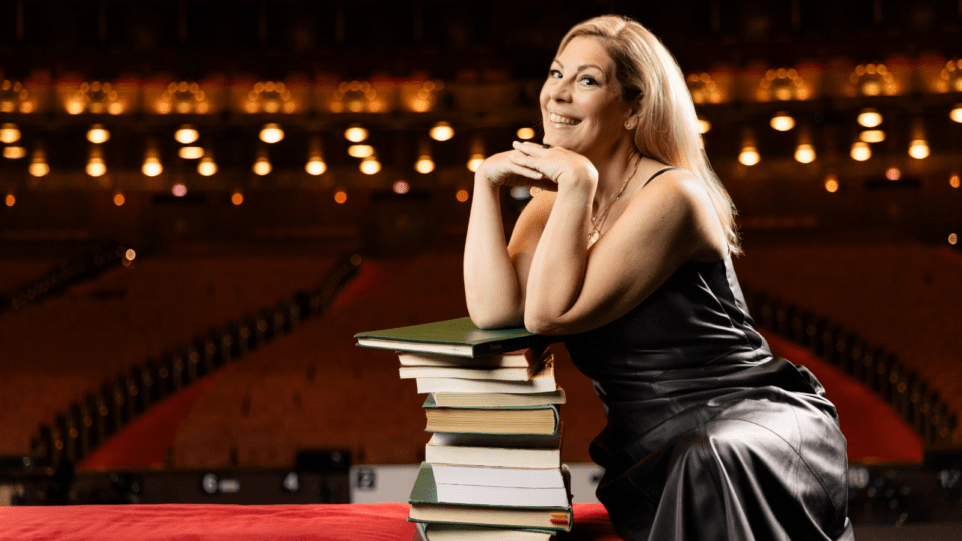
Sondra Radvanovsky (Photo: Kyle Flubacker)
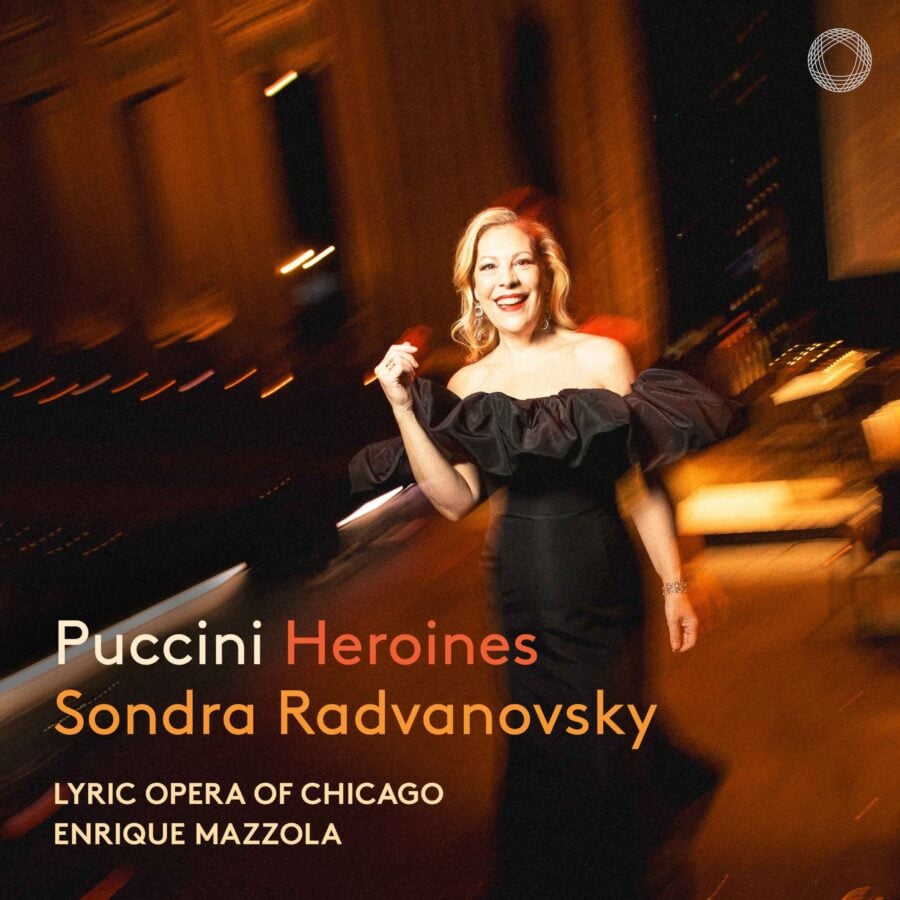
A souvenir the all-Puccini program presented by Lyric Opera of Chicago in February 2025 featuring Sondra Radvanovsky with the Lyric Opera Orchestra conducted by Enrique Mazzola, recorded live. In a feat only imaginable for a soprano assoluta, the extraordinary Berwyn, Illinois-native performed one aria from every Puccini opera bringing vivid individuality to each heroine, from the tender lyricism of “Sì. Mi chiamano Mimì” (La bohème) to the dramatic intensity of “In questa reggia” (Turandot), including roles not previously in her stage repertoire. The program promised 11 arias plus five instrumental selections (Preludes from Le Villi, Edgar, and La fanciulla del West; and Intermezzi from Manon Lescaut and Madama Butterfly) and concluded with two encores: Musetta’s Waltz from La bohème and the most beloved of all Puccini arias, “O mio babbino caro” from Gianni Schicchi.
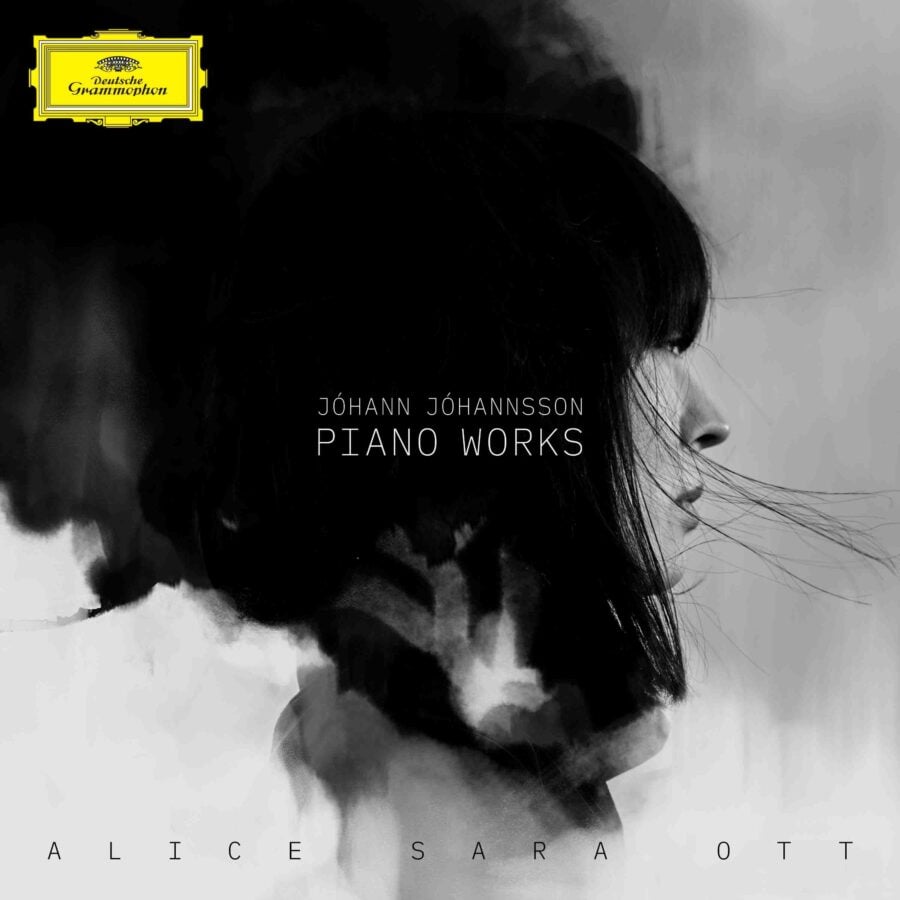
Pianist Alice Sara Ott presents world premiere recordings of piano transcriptions of music by the late Icelandic composer Jóhann Jóhannsson. The program includes some of the composer’s most iconic works from different films as well as from his studio albums Orphée and Englabörn. “What’s so incredible about Jóhannsson’s music,” writes Ott, “is how his compositions, originally written for larger ensembles and different instruments, translate so beautifully to the piano. Within this more focused and intimate sound world, the writing reveals hidden nuances and enhances the purity and clarity that are so intrinsic to his music.”
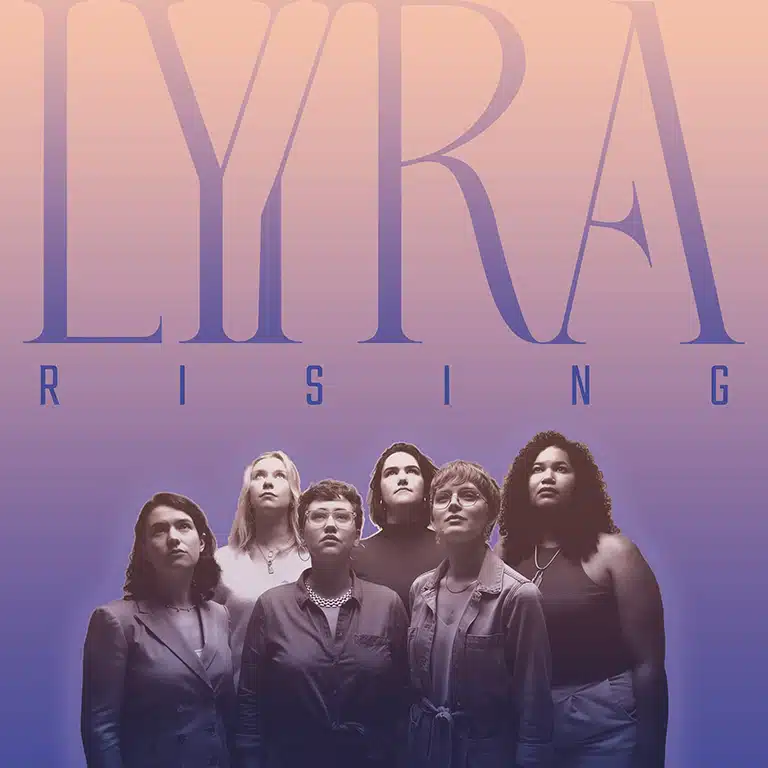
The all-women a capella ensemble Lyyra (the only one of its kind based in the United States) presents their debut album with a genre-defying program that showcases the multifaceted beauty of upper voices. Created by VOCES 8, Lyyra’s members are Anna Crumley, MaryRuth Miller, Elizabeth Tait, Ingrid Johnson, Aryssa Leigh Burrs and Cecille Elliott, representing a wide range of specialisms in classical, jazz, pop, folk and more. Rising features music by Hildegard von Bingen, Amy Beach, Leslie Savoy Burrs, and Blake Morgan, and new arrangements of popular songs by Vienna Teng, Donny Hathaway, Simon & Garfunkel, and Billie Eillish. Lyyra made their Chicago debut last spring at Northeastern Illinois University’s Jewel Box Series.
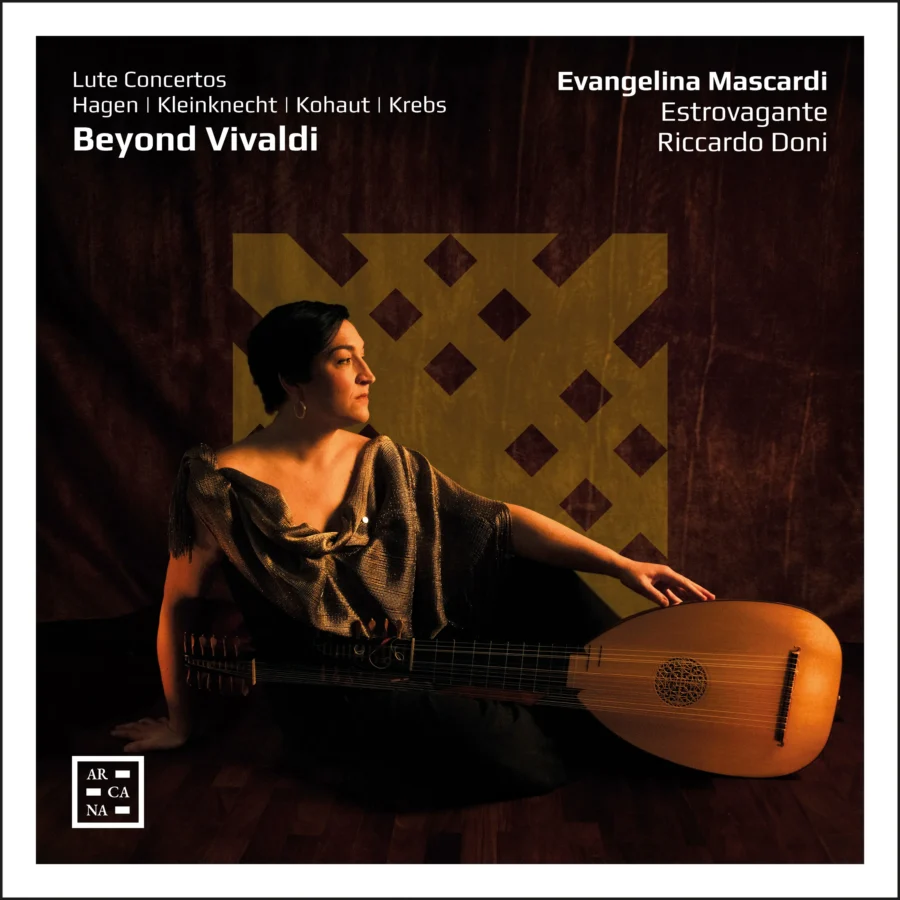
Composed during Antonio Vivaldi’s stay in Prague in 1729–30, the Concerto for Lute RV 93 is the most celebrated example of a repertoire almost totally neglected today, but once extremely popular in the German-speaking world, particularly in the Habsburg lands of Austria and Bohemia. In her new album. lutenist Evangelina Mascardi illuminates a fundamental chapter in the history of the lute. Alongside the Vivaldi concerto, which guitarists have embraced since the early 1960s, she presents four practically unknown gems composed by Johann Ludwig Krebs, Jakob Friedrich Kleinknecht, Joachim Bernard Hagen, and Karl Ignaz Augustin Kohaut, the latter two in their first commercial recording. Accompanied by the Estrovagante Orchestra, directed by Riccardo Doni, Mascardi ventures into the rococo idiom, the stylistic context for the final virtuosic showpieces of an instrument boasting a rich history, but destined—in the space of just a few years—to be definitively eclipsed.
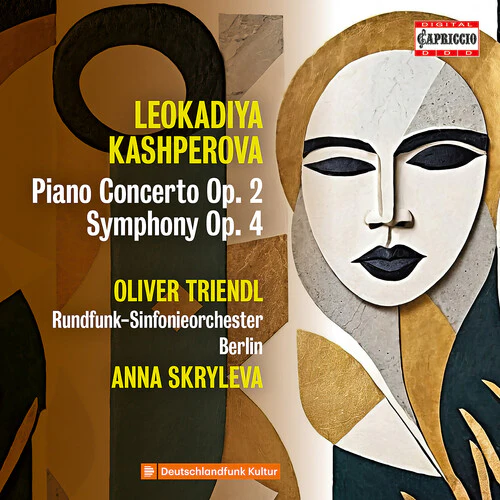
Leokadiya Kashperova (1872–1940) was Igor Stravinsky’s piano teacher, having herself been a student of Anton Rubinstein. To this day, however, her compositions remain in the shadow of the male Russian masters, a fate shared by many other women of this era. Although her output is nowhere near as comprehensive as that of her contemporaries, what she did produce demonstrates incredible talent, mature skill and a deeply Romantic Russian idiom so typical of its time. This album marks the world premiere recording of her Piano Concerto in A minor and Symphony in B minor, her largest-scale works. Kashperova premiered the concerto in Moscow in 1901 and played it again in St. Petersburg that year. The symphony was performed in both cities in 1905, and the works were performed together by the Berlin Philharmonic at the Berliner Singakademie in 1907, with Kashperova as the piano soloist.