A highly varied exploration of classical, folk, and contemporary in saxophonist Jess Gillam’s PRISM, Vol. 2, and a survey of 16th-century music written for Shakespeare’s plays. Plus, French cellist Juliette Herlin puts music by Claude Debussy and Robert Schumann in conversation, an appreciation of the new generation of Mozart soloists, and a deep-dive into the works of 17th-century compost violinist Heinrich Ignaz Franz von Biber.
New Releases Jul. 29: Sax Phenom Jess Gillam & Shakespeare

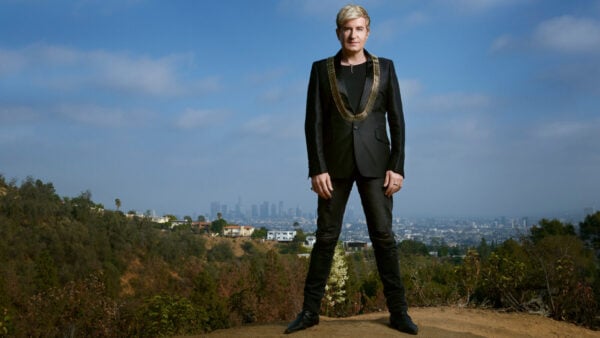
Jess Gillam
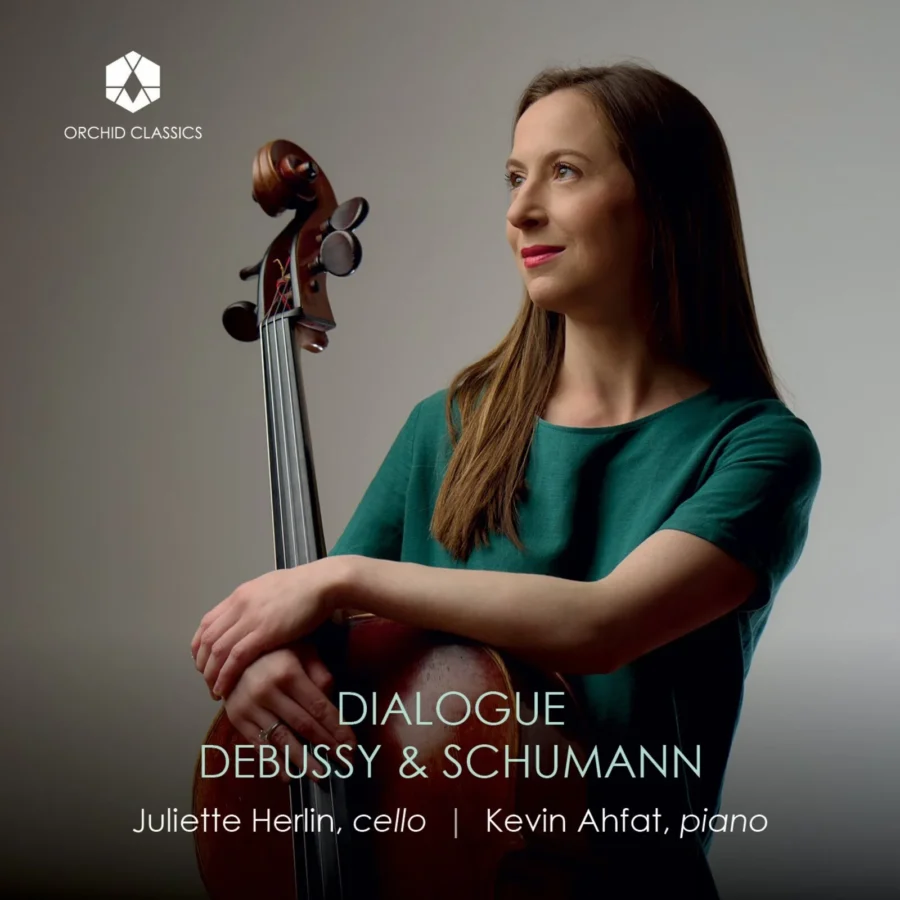
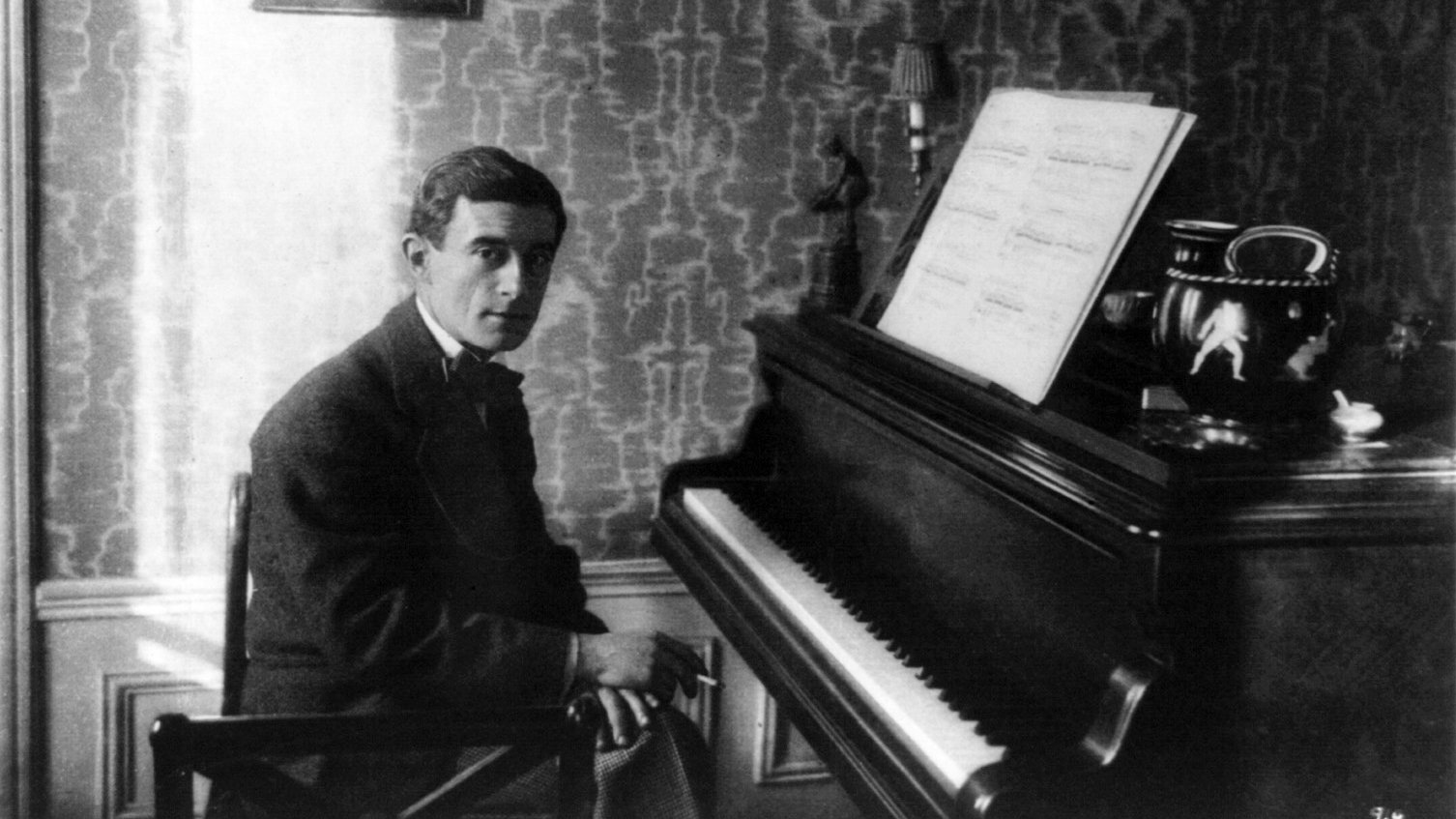
The debut solo album of French cellist Juliette Herlin — noted for having given the first performances since 1919 of a lost cello sonata by Camille Saint-Saëns — pairs her with Canadian pianist Kevin Ahfat. This repertoire features original works for cello and piano (Schumann’s Fantasiestücke, Debussy’s Cello Sonata, etc.) as well as song transcriptions, exploring the subtle connections between Robert Schumann and Debussy, whose works share a profound musical intimacy. Dialogue offers a unique perspective on both composers’ craft in the art song genre and the expressive possibilities of the cello. “What all these pieces share is the two composers’ pursuit of a musical language defined by deep introspection, lyrical expression, and fantasy,” says Herlin.
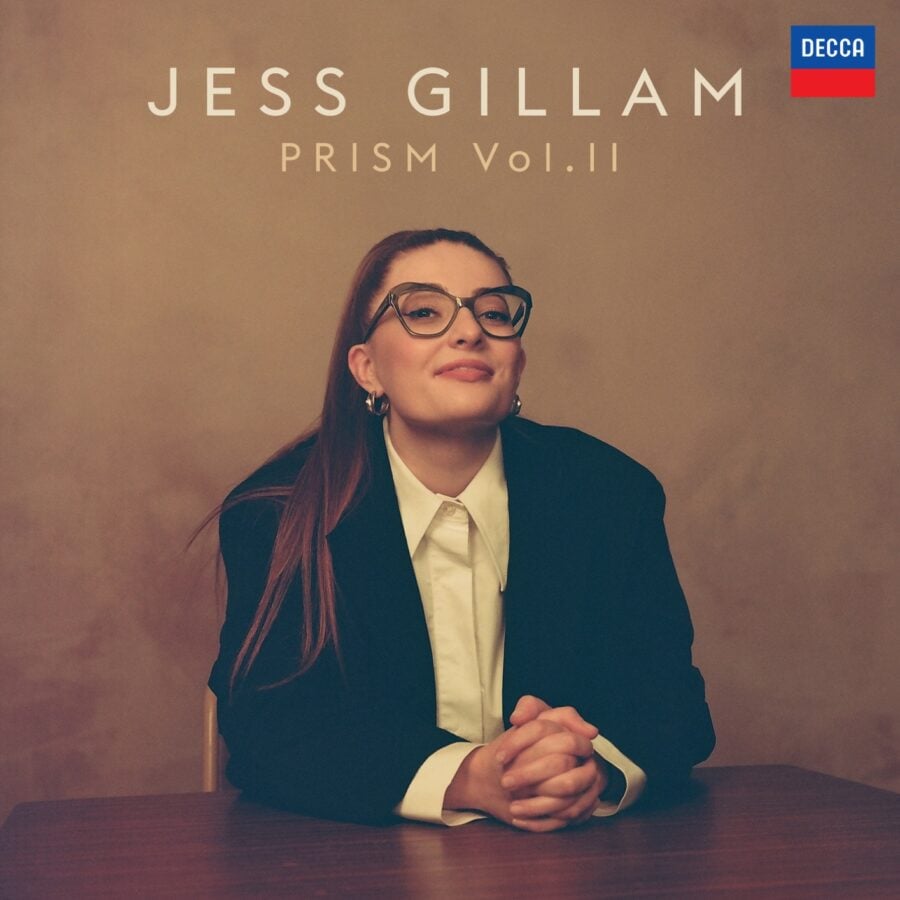
Saxophonist Jess Gillam and her ensemble continue their innovative exploration of sound in the second EP (five tracks) in the PRISM series, blurring boundaries between classical, folk, and contemporary music. Arrangements of Debussy’s “Clair de lune” and Nadia Boulanger’s “Cantique” showcase the lyrical tone of the soprano saxophone. Transcriptions of Baroque works include Scarlatti’s F minor sonata and Telemann’s Oboe Concerto in G. The EP closes with a reimagining of Liszt “Consolation No. 3,” featuring an ensemble that includes bass guitar, vibraphone, strings, and felt‑piano.
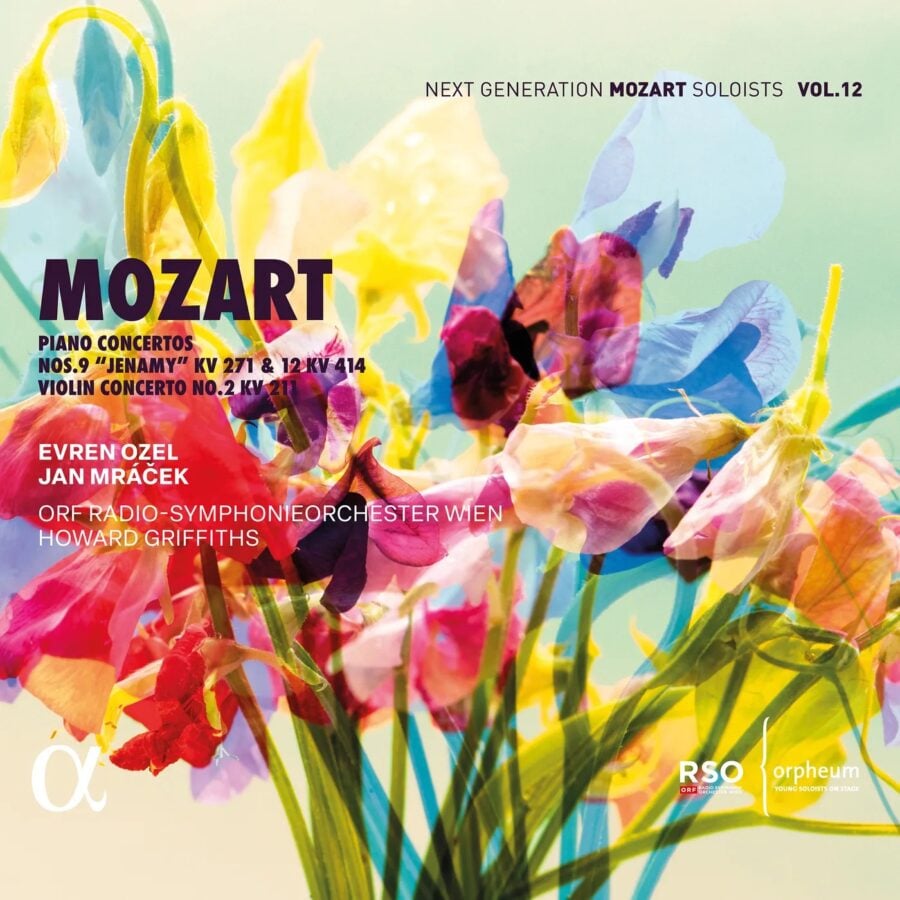
The current volume in this series showcases a vibrant pairing of young soloists with the Vienna Radio Symphony Orchestra in concertos by Mozart. The Piano Concerto No. 9 in E flat, K. 271 has long been known as the ‘Jeunehomme’ — but it was discovered in 2004 that it was actually composed for Louise Victoire Jenamy. Mozart misspelled her name as “jenomy” in a letter to his father in 1778 and so created a misunderstanding that lasted for over two centuries. Mozart composed his Piano Concerto No. 12 in A major, K. 414 in Vienna in 1783; American pianist Evren Ozel, the soloist in these two works, says that this work “is more carefree and allows the performers to explore a gentler and more tender side of Mozart”. It was only two years after his first violin concerto that Mozart – then 19 years old and concertmaster to the Prince-Archbishop of Salzburg — composed the Violin Concerto No. 2 in D major, K. 211. “The art of performing Mozart’s music is to play it with simplicity and life while remaining true to the Classical style”, says Czech violinist Jan Mráček, the second soloist featured on this volume in the Next Generation Mozart Soloists series conducted by Howard Griffiths.
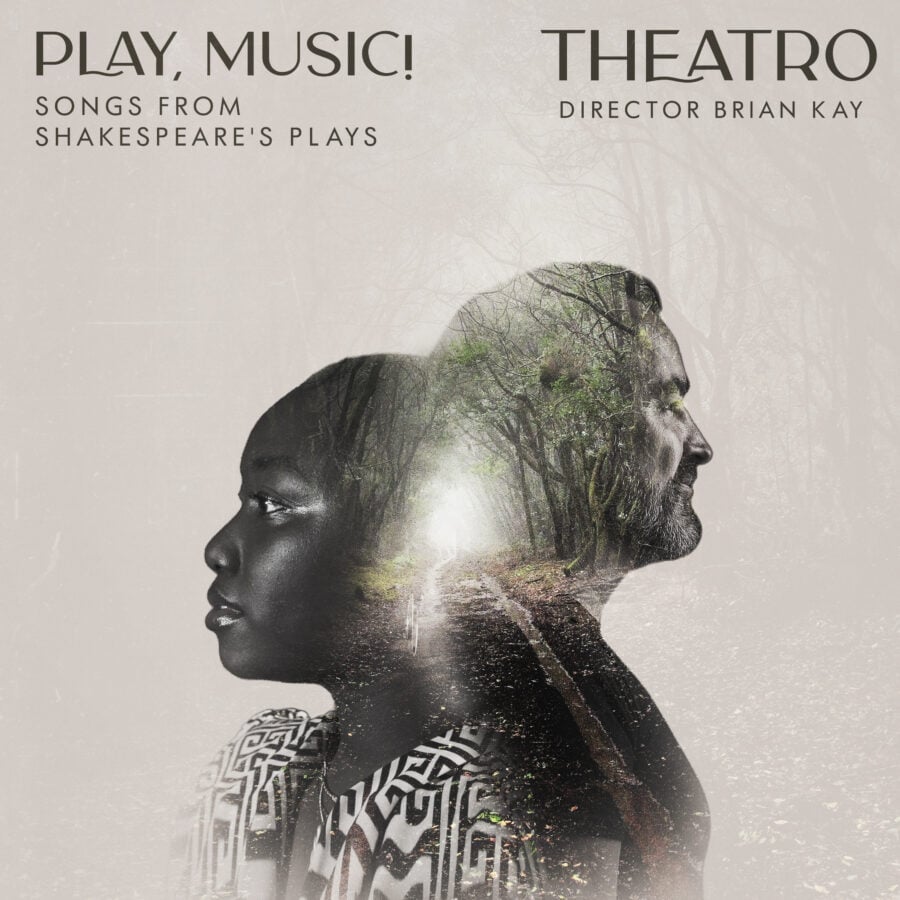
Founded in 2020 by tenor and lutenist Brian Kay, THEATRO is dedicated to creating memorable theatrical experiences that transport audiences to different eras and places, illuminating the stories of the past. THEATRO’s debut album on Avie Records gathers Renaissance instruments and voices for a program of songs and dances from Shakespeare’s plays. Shakespeare frequently directed his characters to burst into song, cannily catering to the vast audiences who flocked to the Globe Theatre, expecting to enjoy the popular melodies of the day that were interwoven throughout the narrative. Play, Music! features music from such memorable plays as All’s Well that Ends Well, As You Like It, Hamlet, A Midsummer Night’s Dream, Taming of the Shrew, Twelfth Night and more, penned by prominent 16th-century tunesmiths including John Dowland, King Henry VIII, Richard Tarleton, and Shakespeare himself.
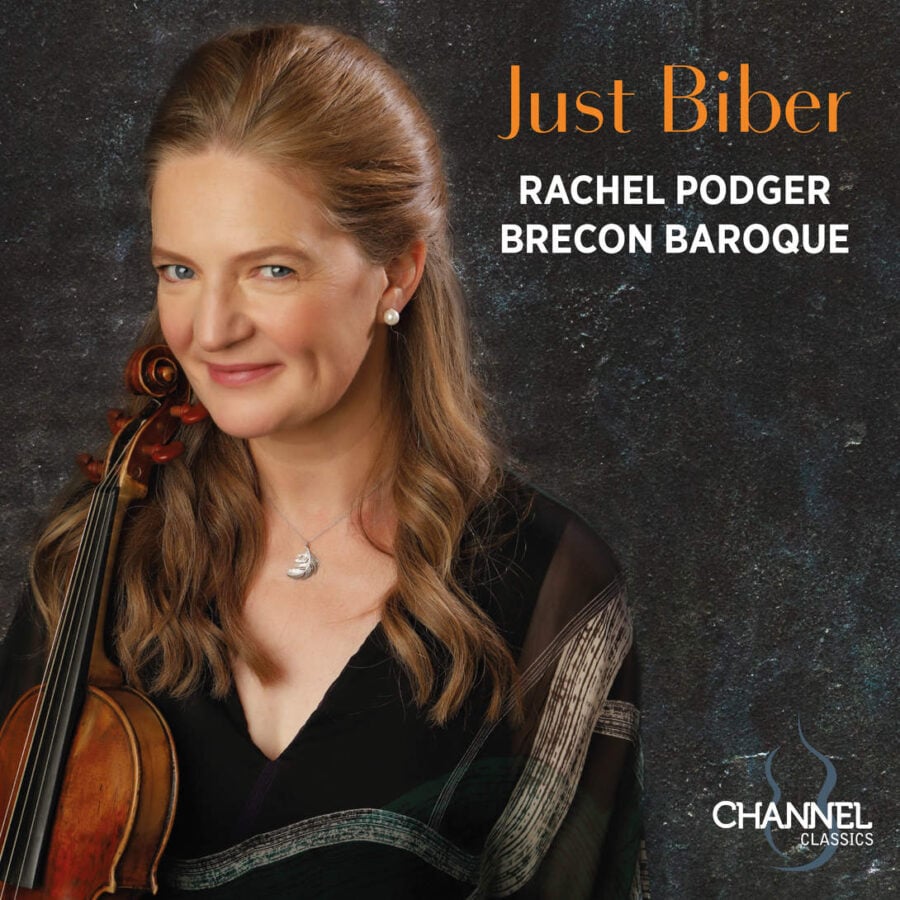
Following up on her critically acclaimed recording of Heinrich Ignaz Franz von Biber’s Rosary Sonatas, violinist and musical director Rachel Podger—“the unsurpassed British glory of the baroque violin” (The Times)—leads Brecon Baroque on Just Biber, an album of sonatas from Biber’s 1681 collection Sonatæ Violino Solo and his theatrical Sonata Representivo. These works are extremely virtuosic, with extensive multiple stopping and dazzling passages of stylus fantasticus. In Biber’s time, harmony had a mystical character, thought of as resonance between human, instrumental and celestial bodies. Dedicated to Archbishop Maximilian Gandolf, the sonatas were not only designed to delight, but also potentially to heal: Biber described them as a kind of prayer for the Archbishop’s longevity and good health.