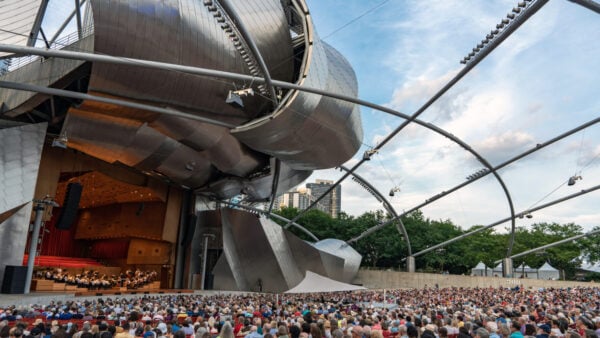
This week, WFMT features various configurations that shine a spotlight on the human voice. Armenian-British composer and pianist Kristina Arekelyan’s A Christmas Offering is a ten-movement work for choir and harp, written as a companion piece to Britten’s A Ceremony of Carols. Klaus Mäkelä harnesses the power of five full choirs for Mahler’s epic “Symphony of a Thousand.” The Living Spiritual features baritone Kenneth Overton alongside pianist Elizabeth G. Hill and the Living Spirtual string quartet. Christopher Bell leads the Grant Park Chorus in a new selection of songs for the season. Finally, ARC Ensemble’s “Music in Exile” series continues with an exploration of the little known composer Ernest Kanitz.
New Releases Nov. 18: With Voices Raised

Kenneth Overton (Photo: Zakiyah Caldwell Burroughs)
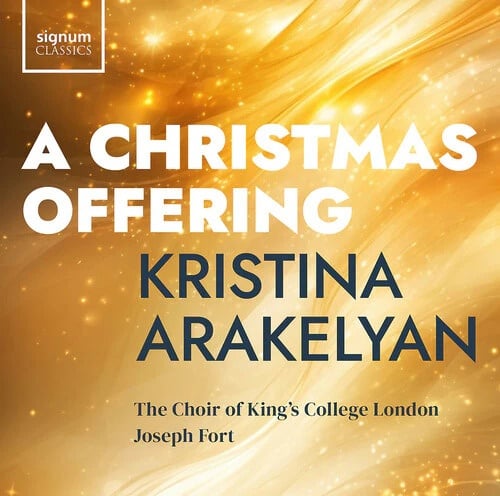
Rising star Armenian-British composer and pianist Kristina Arekelyan is the winner of the 2010 BBC Proms Young Composers Competition. She completed her PhD in Composition at King’s College London where she was a student of Joseph Fort. Her compositions have already been featured on the BBC Proms and she has collaborated with the BBC Singers, BBC Concert Orchestra, the Choir of Pembroke College, Cambridge. For the ensemble’s first recording conducted by Joseph Fort, the Choir of King’s College London presents an album dedicated to works for Christmas by Arekelyan. The centerpiece A Christmas Offering is a ten-movement work for choir and harp and was written as a companion piece for Britten’s A Ceremony of Carols. Nine additional seasonal choral selections complete the album, five of which include piano accompaniment by the composer.
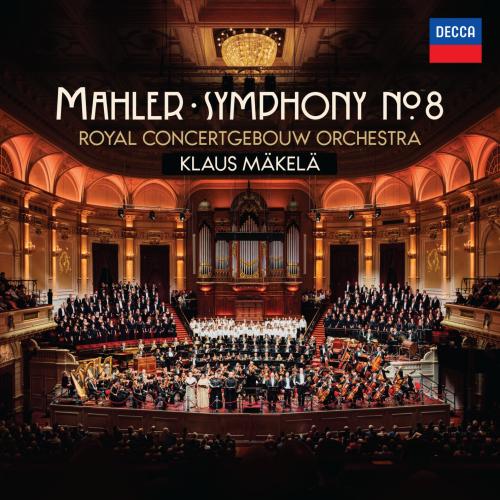
Recorded during two sold-out performances in May of 2025 at the Mahler Festival in Amsterdam, this new album captures Klaus Mäkelä leading the Concertgebouw Orchestra, joined by five choirs – the Choeur de l’Orchestre de Paris, Netherlands Radio Choir, Laurens Symfonisch, and the Dutch National Children’s and Boys’ Choirs – and soloists Hailey Clark, Golda Schultz, Miriam Kutrowatz, Jennifer Johnston, Okka von der Damerau, Giorgio Berrugi, Michael Nagy, and Tareq Nazmi in the “Symphony of a Thousand.” Gustav Mahler’s close connection with the Concertgebouw Orchestra began in 1903, when chief conductor Willem Mengelberg invited him to conduct his Third Symphony in Amsterdam. The composer and conductor returned several times in the ensuing years. Since then, the orchestra has become internationally renowned for its performances of Mahler’s music, a tradition continued by each of Mengelberg’s successors: Eduard van Beinum, Bernard Haitink, Riccardo Chailly, Mariss Jansons and Daniele Gatti. As the Concertgebouw’s chief conductor designate, Klaus Mäkelä is carrying on this rich Mahler tradition.
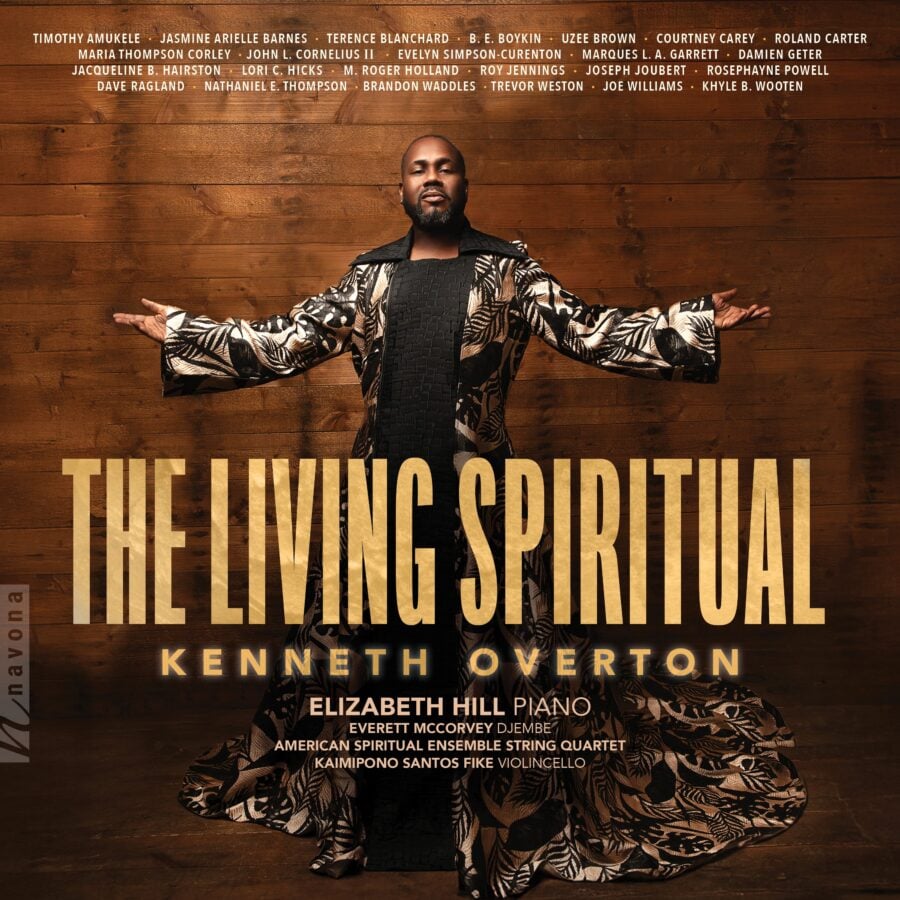
Baritone Kenneth Overton won a GRAMMY Award for his performance in the title role of Richard Danielpour’s The Passion of Yeshua with the Buffalo Philharmonic Orchestra and Chorus, conducted by JoAnn Falletta; and can be heard as soloist on Chamber Works of Adolphus Hailstork with The Harlem Chamber Players. In addition to his international career in opera and concert, Overton his renowned for his advocacy and championing of Black voices in classical music. For his fourth solo album, Overton and pianist Elizabeth G. Hill presents 23 spirituals arranged by 23 living Black composers including Terence Blanchard, Damien Geter, Jasmine Arielle Barnes, and Uzee Brown Jr.
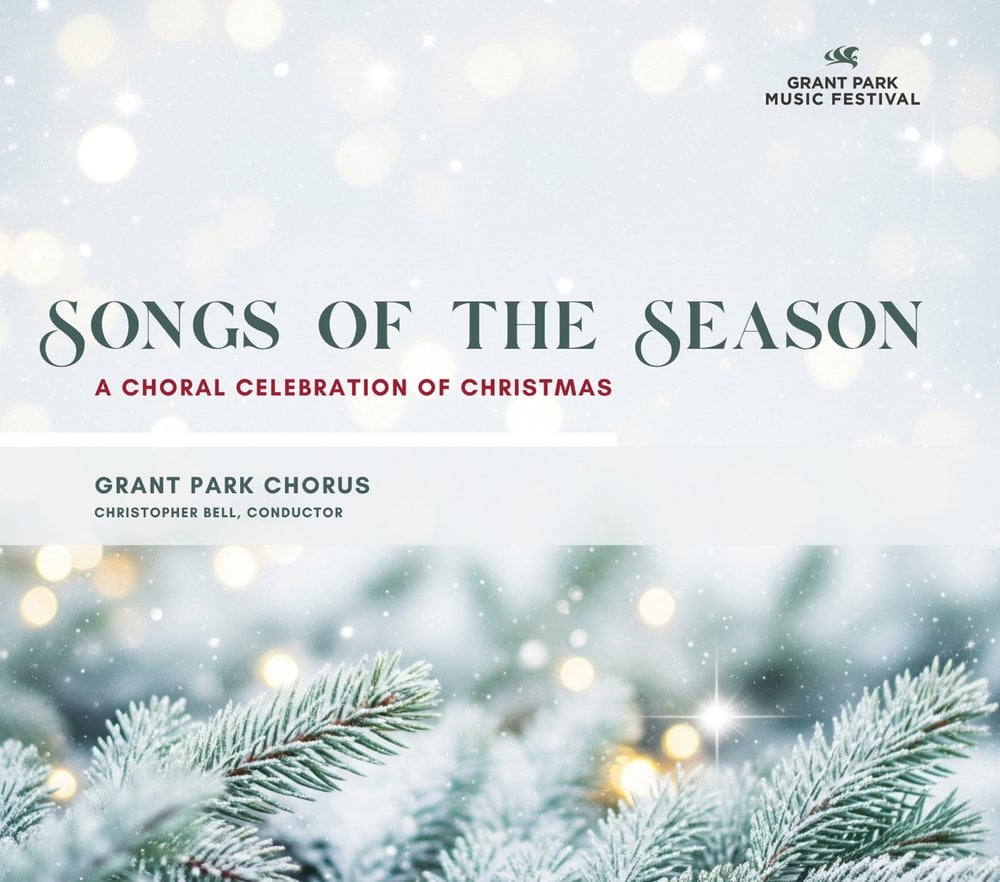
Under the direction of Christopher Bell, the Grant Park Chorus presents a heartfelt collection of carols and contemporary choral favorites for the holiday season. From the quiet reflection of “Silent Night” and “In The Bleak Midwinter” to the shimmering mystery of “O Magnum Mysterium” in two settings (Tomás Luis de Victoria and Morten Lauridsen), the album offers movements of both serenity and joy. Beloved traditional melodies like “The Holly and the Ivy” sparkle alongside classics like “Jesus Christ the Apple Tree.” “It’s a wonderful combination of rarely heard gems along with popular works that show off the technical excellence of the chorus,” said Christopher Bell. “Each track is superbly done, making the album a perfect addition to anyone’s holiday gathering.”
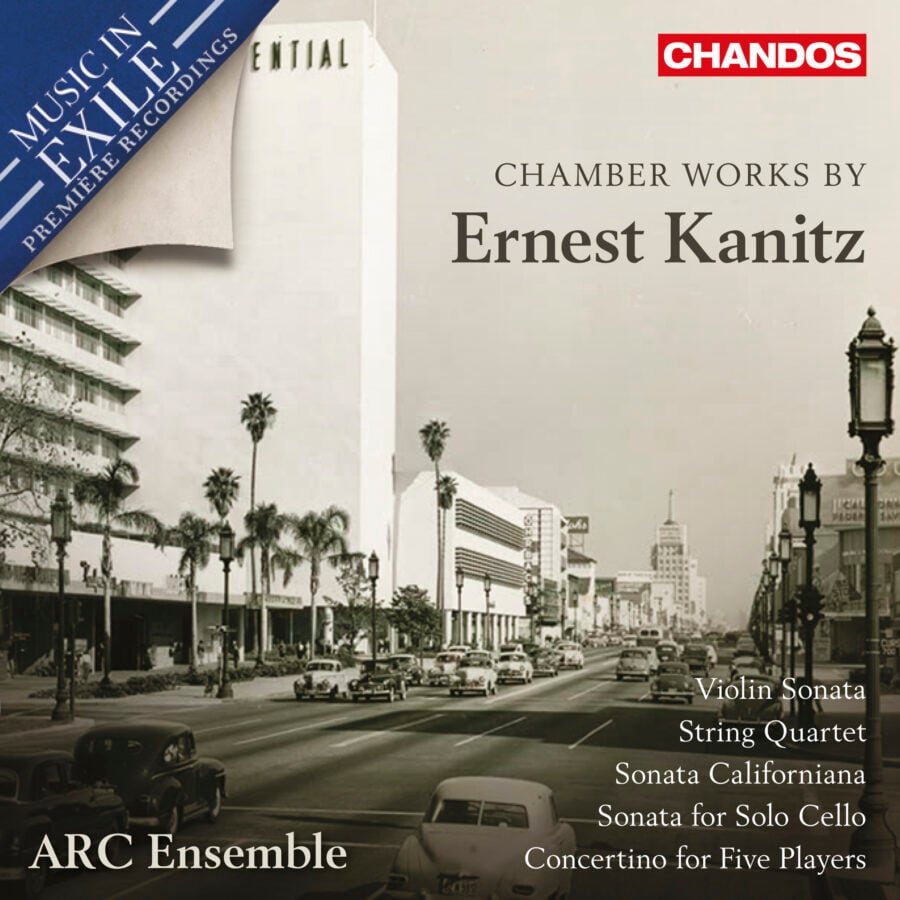
The ARC Ensemble’s “Music in Exile” series continues with an exploration of chamber works by Ernest Kanitz. Born into a wealthy Viennese family in 1894, he was encouraged in music by his mother and started composing at a young age. Though his parents persuaded him to study for a degree in Law, he also studied piano, music theory, and composition (with Franz Schreker, who also served as a mentor). His reputation grew steadily, his works promoted by conductors such as George Szell and Clemens Krauss. In 1922 he became a teacher at the New Vienna Conservatory, and in 1930 established the Vienna Women’s Chamber Choir, which quickly gained a reputation across Europe. Although he had converted to Christianity in 1914, his Jewish ancestry necessitated emigration in 1938, following Germany’s annexation of Austria. He eventually moved to California and established a successful teaching career at the University of Southern California. Retirement from USC in 1960 gave him much more time for composition, with successful premières given by the Philadelphia Orchestra, Los Angeles Philharmonic, and San Francisco Symphony, among many others. Following his death in 1978, his music, like that of so many émigré composers, has been forgotten.