From the Baroque era till contemporary times, composers have always pushed themselves to better forms of musical expression. Mark Fitz-Gerald and the Malmö Opera Chorus and Orchestra present two reconstructed, never-before heard theater works by Shostkavoich, underlining his raucous spirit and desire to take risks. Sébastien Daucé and Ensemble Correspondences give new life to young Johann Sebastian Bach’s first sacred cantatas. The Bamberg Symphony juxtaposes ways in which three Romantic composers used music to delineate heroic characters. Finally, longtime Swedish duo Håkan Hardenberger and Roland Pontinen share some of their favorite contemporary compositions, as well as American Songbook standards.
New Releases Jan 5: Formative Melodies
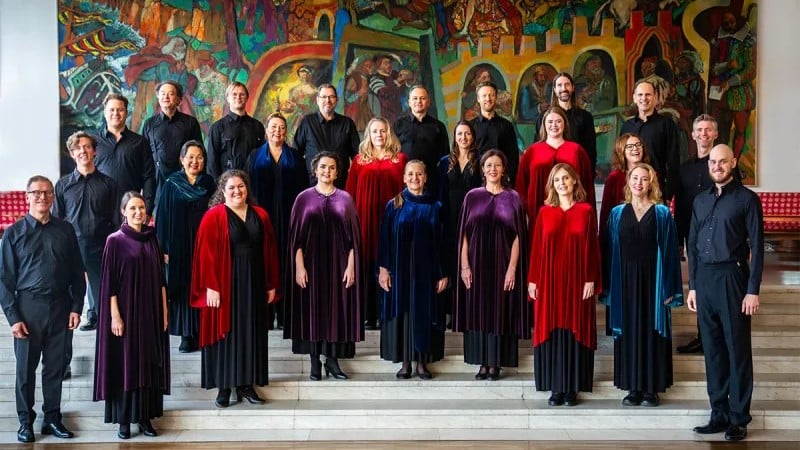
Malmö Opera Chorus (Photo: Malmö Opera Chorus)
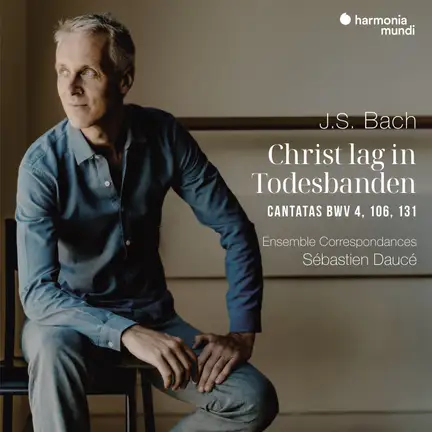
For their first recording exploring the world of Bach, Sébastien Daucé, and Ensemble Correspondances give new life to the young composer’s first sacred cantatas: Christ lag in Todesbanden, BWV 4; Gottes Zeit ist die allerbeste Zeit (Actus tragicus), BWV 106; and Aus der TIefe rufe ich, Herr, zu dir, BWV 131. These three works were written in Mühlhausen, where he served as organist at St. Blasius Churchm marking a pivotal, albeit brief, period of personal and musical growth before moving to Weimar. Combining the Lutheran tradition with a faint breeze from Italy, these works already reveal the dramatic invention and formal rigor of a fully functioning creative mind. Soprano Caroline Weynants, contralto Lucile Richardot, tenor Raphael Höhn, and bass Sebastian Myrus comprise the quartet of soloists.
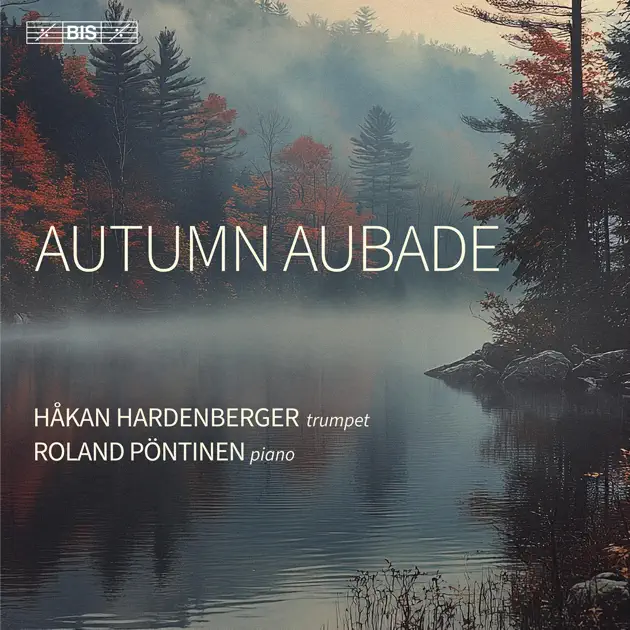
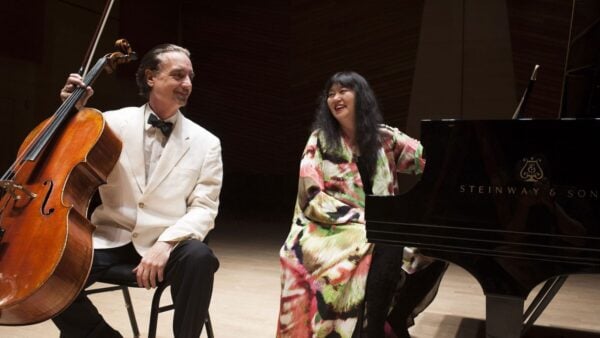
The Swedish duo of trumpeter Håkan Hardenberger and pianist-composer Roland Pontinen, longtime collaborators, present a program of recently composed works, arrangements, favorites of both musicians and standards from the Great American Songbook. The centerpiece of the program is Three Autumns by Staffan Storm, a reflection on elegiac autumn moods. Among contemporary composers, Mark-Anthony Turnage and HK Gruber, who have provided Hardenberger with more works than any other composers, are also represented. Roland Pontinen contributes two pieces, one of them a meditative work inspired by the simplicity and mood of Thomas Newman’s masterful film scores. Legende by George Enescu reflects the impressionistic style of the composer’s teachers. The recital is also interspersed with shorter pieces, arrangements, and reinterpretations of classic American songs, and includes legendary jazzman Ornette Coleman’s “Chanting.”
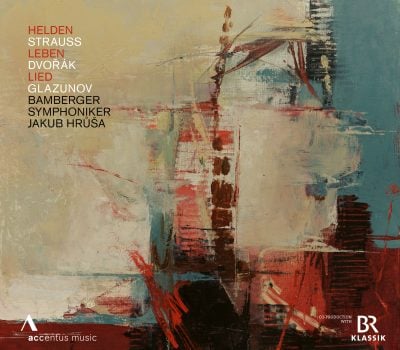
The Bamberg Symphony and their chief conductor Jakub Hrůša present a multifaceted meditation on heroism — from the swaggering self-portrait of Richard Strauss’s Ein Heldenleben, to the spiritual resilience of Antonin Dvořák’s A Hero’s Song, Op. 111, to the tender remembrance in Aleksandr Glazunov’s To the Memory of a Hero. Each of the three works engages with the idea of the hero from a unique angle. The result is a wide-ranging exploration of the heroic ideal across culture and personal expression. Together, these three evocative works offer also insights into the composers themselves and the societies they inhabited. Whether depicting triumph, tribute, or transformation, each work contributes to a broader understanding of the heroic in music.
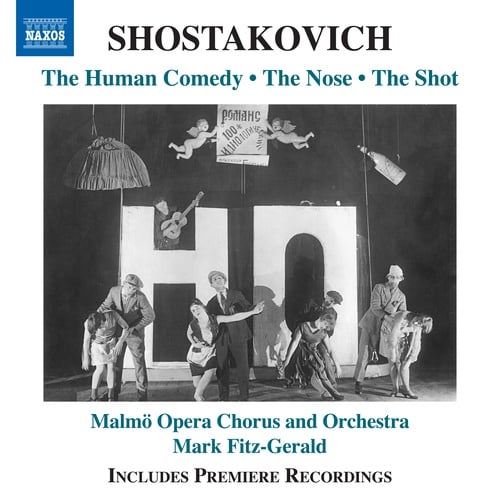
The Malmö Opera Chorus and Orchestra led by Mark Fitz-Gerald present reconstructions of previously unheard music from two significant theatre works by Shostakovich – The Shot and The Human Comedy – and rarely heard selections from his first serious opera The Nose. Shostakovich was known for his fun-loving attitude during his early years as a composer. The colorful incidental music for The Shot – reconstructed by Mark Fitz-Gerald from the original piano scores – vividly evokes the raucous life of experimental youth theatre in Leningrad during the late 1920s. This carefree world had changed dramatically by 1934 when Shostakovich completed his music for The Human Comedy – a work that creates a charming atmosphere of Parisian escapism. Discarded movements from his first opera The Nose form an entire orchestral suite. The program concludes with Fitz-Gerald’s reconstruction of the “March of the Anarchists,” transcribed by ear from the film The Vyborg Side.