Home | Gustav Mahler
Uncovering some hidden gems of Erich Wolfgang Korngold, Welsh composer Grace Williams, and more.
Configurations that shine a spotlight on the human voice: from Mahler’s “Symphony of a Thousand”, to new arragements of spirituals.
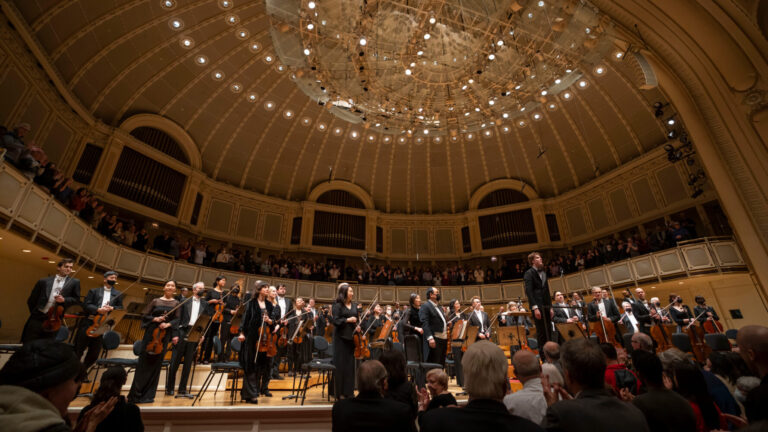
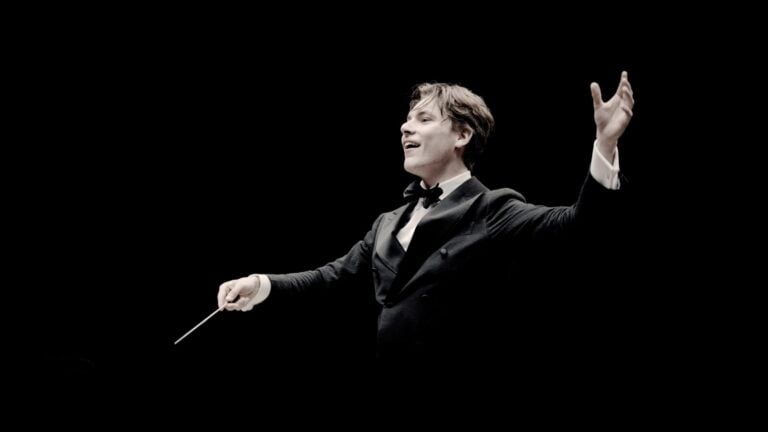
The CSO celebrates the opening of 2025/26 season with Mahler’s Symphony No. 3 led by Zell Music Director Designate Klaus Mäkelä, featuring vocal soloist Wiebke Lehmkuhl, the Chicago Symphony Chorus, and Uniting Voices Chicago.
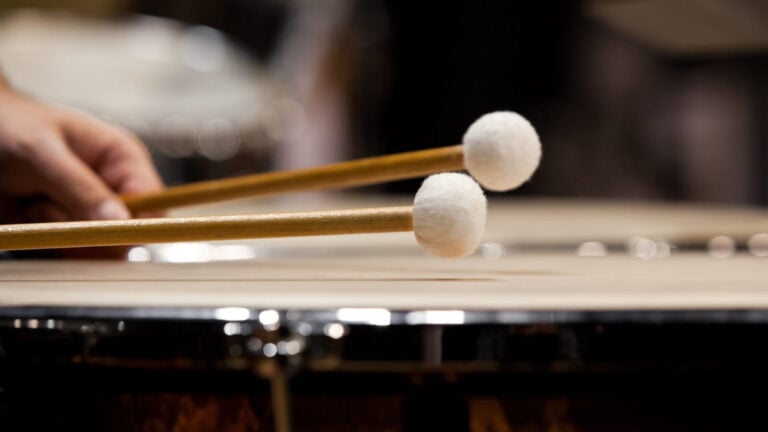
Humans across cultures have played percussion instruments to accompany music and dance or for ritual, religious, or military purposes. But percussion’s rise in prominence within the context of the Western symphony orchestra only really began in the 20th century.
Marathons, not sprints…
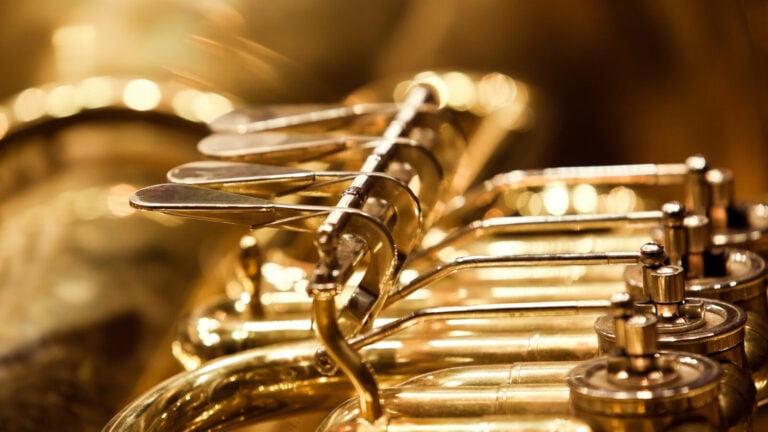
The oldest surviving metal trumpets, constructed of silver and copper, were discovered in the tomb of the Egyptian pharaoh Tutankhamun. So how did we get to today’s lineup?
This week, we hear Jakub Hrůša’s CSO debut concert program: Smetana’s Má vlast. Opening the broadcast is Pierre Boulez conducting Mahler’s Totenfeier from a 1996 Deautsche Grammophon recording.
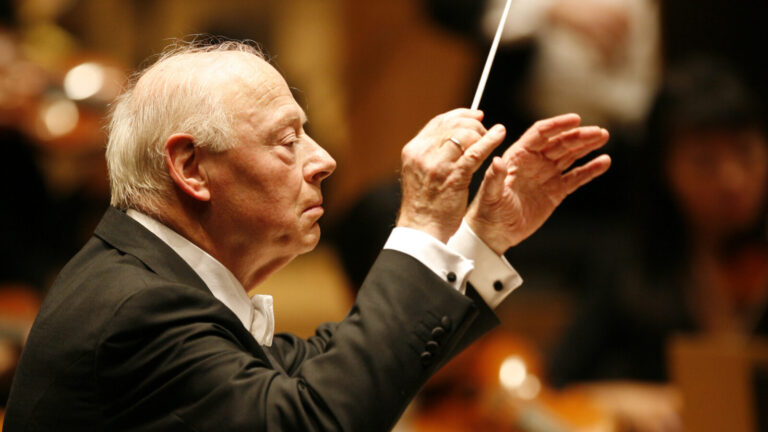
In honor of the Mahler Festival 2025, Bernard Haitink leads the CSO in Mahler’s Symphony No. 2, featuring vocalists Miah Persson and Christianne Stotijn, alongside the Chicago Symphony Chorus. Opening the broadcast, Pierre Boulez leads Scriabin’s The Poem of Ecstasy.
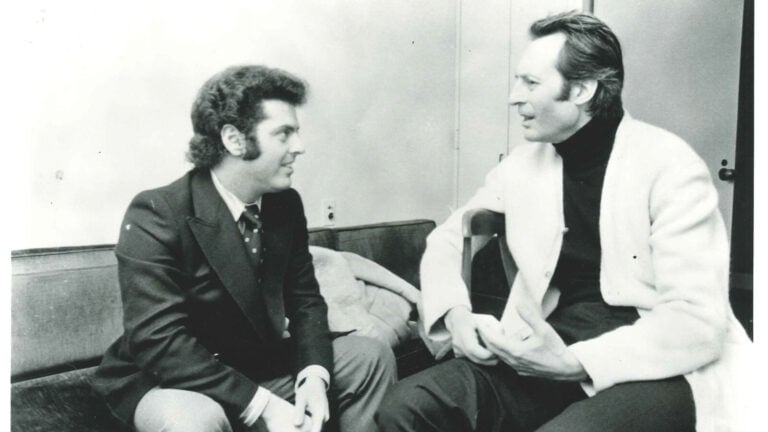
As part of the Chicago Symphony Orchestra’s Mahler Festival 2025 celebrations, tune in to a special radio broadcast featuring the CSO’s First Principal Guest Conductor Carlo Maria Giulini leading Prokofiev’s Symphony No. 1 and Mahler’s Symphony No. 9.
Zell Music Director Designate Klaus Mäkelä returns to the CSO podium to lead Mahler’s Fifth Symphony. The program includes Sibelius’ The Swan of Tuonela, and the U.S. premiere of Aino by Jimmy López, which the CSO co-commissioned. Opening the broadcast is Corigliano’s Tournaments Overture under Sir Georg Solti’s baton.
Bartók’s The Miraculous Mandarin tells of a girl forced to lure a wealthy mandarin to his tragic fate. Its theme of the tragic, dark passions between men and women is equally as gripping and powerful – and controversial – as when it first premiered. It’s paired with a striking arrangement for string orchestra of Bartók’s String Quartet No. 3, by …
Mahler’s Fourth Symphony paints an uplifting picture of the afterlife, a child’s vision of heaven as a place filled with earthly delights and tuneful melodies. Here it is paired with Ces belles années… (These Good Years), a new work by esteemed French-American composer Betsy Jolas, which reveals hidden allusions to the classic “Happy Birthday” tune within its sparkling and wondrous …
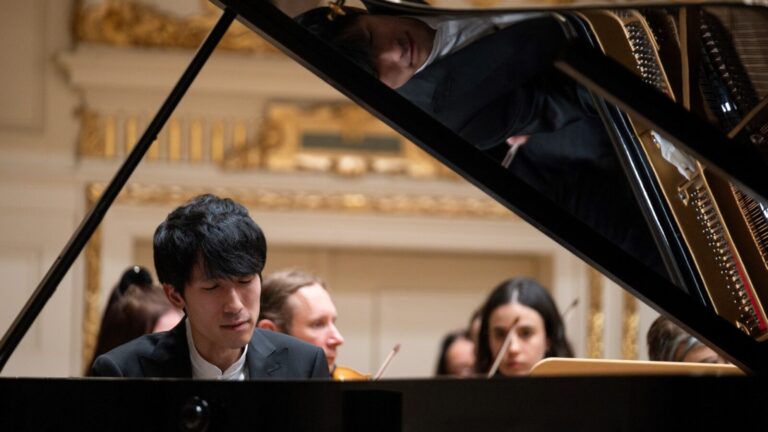
Guest artists making their festival debuts with the CSO will include pianist Nobuyuki Tsujii, musical theater royalty Sutton Foster, violinist Himari, and cellist Sheku Kanneh-Mason.
Manfred Honeck, the longtime music director of the Pittsburgh Symphony Orchestra, leads music by Pyotr Ilyich Tchaikovsky, Giuseppe Verdi, and Gustav Mahler.
The venerable American orchestra makes its debut as part of the WFMT Orchestra Series.
First, Ax takes the stage for Mozart’s elegant Piano Concerto No. 25, followed by the epic Symphony No. 5 by Gustav Mahler.
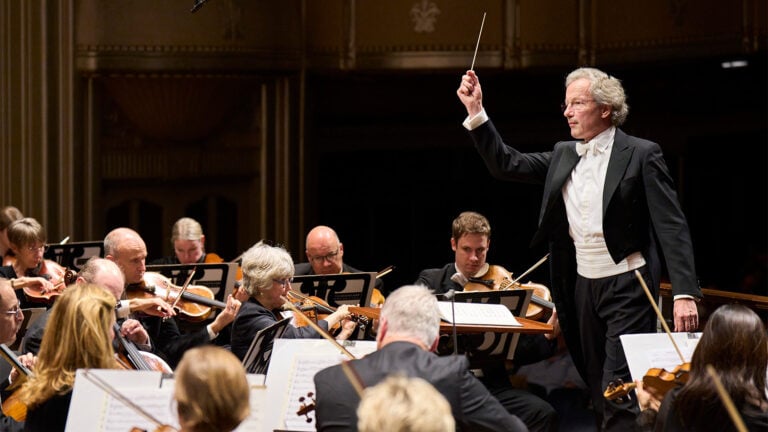
The CSO celebrates the spring in music by Schumann, Goldmark and Mahler. Opening the program, Daniel Barenboim conducts Schumann’s Spring Symphony. Next, Frederick Stock conducts Carl Goldmark’s In Springtime. Rounding out the broadcast is Mahler’s Das Lied von der Erde under Fritz Reiner’s baton.
A selection of winter-themed highlights from the New York Philharmonic’s storied discography.
Jennifer Johnson Cano performs works by Gustav Mahler and Gregg Kallor.
Music by Anatoly Lyadov, Julia Adolphe, Modest Mussorgsky, and Hector Berlioz.
This week, Jakub Hrůša conducts Mahler’s Symphony No. 9. The broadcast opens with Shaw’s Boris Kerner, performed by Chicago Symphony Orchestra’s second flutist Emma Gerstein and assistant principal cellist Kenneth Olsen, and Hailstork’s Arabesques, also performed by Emma Gerstein with principal percussionist Cynthia Yeh.

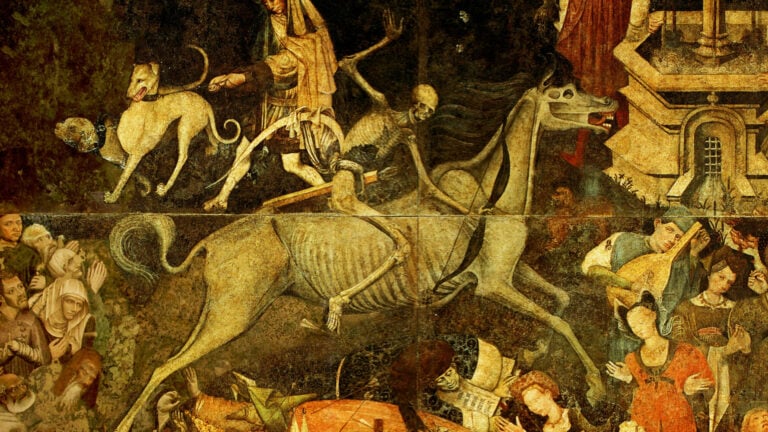
Were these composers doomed or divinely inspired? Decide for yourself!
What is it about this music that is so hair-raising?