In 1937 at the height of the Stalinist purges, Shostakovich was in disgrace – an outcast who feared for his life. (He slept in the stairwell outside his apartment so that his family might be spared if he were arrested.) In these darkest moments, he somehow found the courage to write his Fifth Symphony, publishing it with the ironic subtitle …
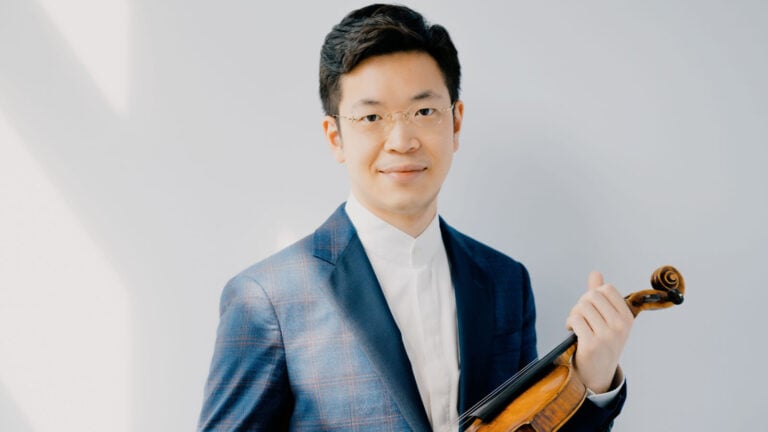
The compositions of two historical women composers: Clara Schumann and Ruth Gipps. Plus a survey of 20th century works by violinist Paul Huang, and dazzling male vocal ensemble Cantus.
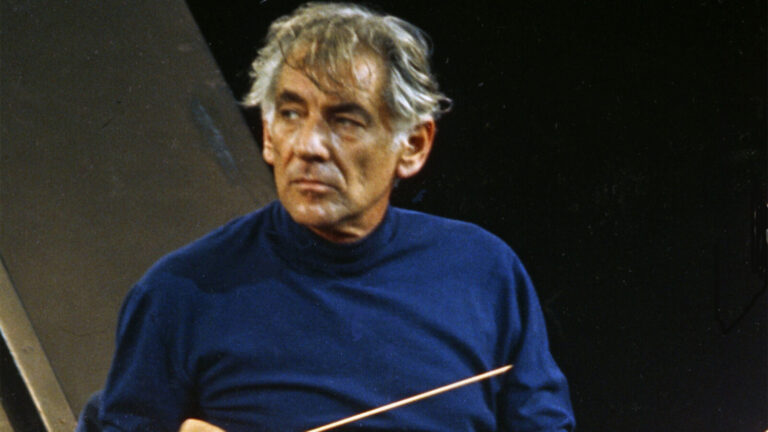
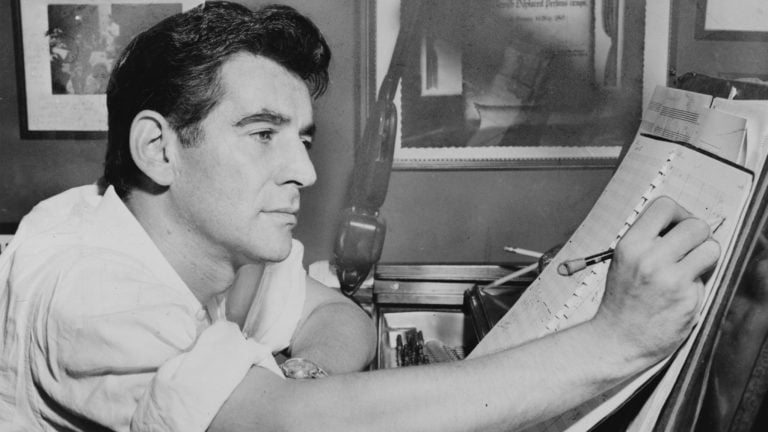
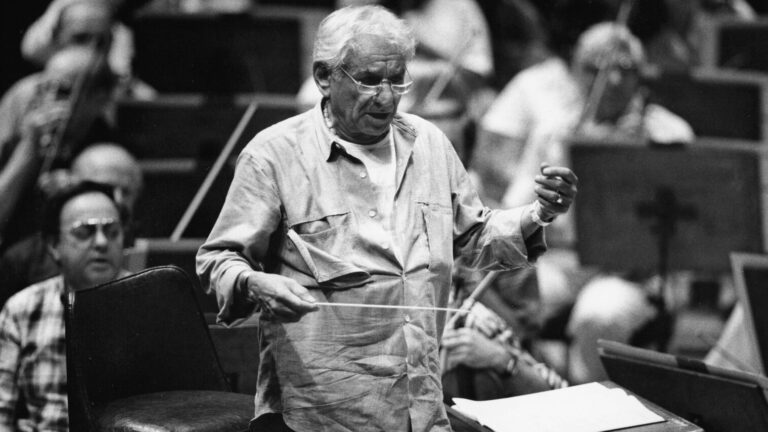
A retrospective on Leonard Bernstein’s revolutionary concert series, which introduced countless listeners to classical music. And Jamie Bernstein, daughter of the influential conductor-composer, reflect on her father’s legacy.
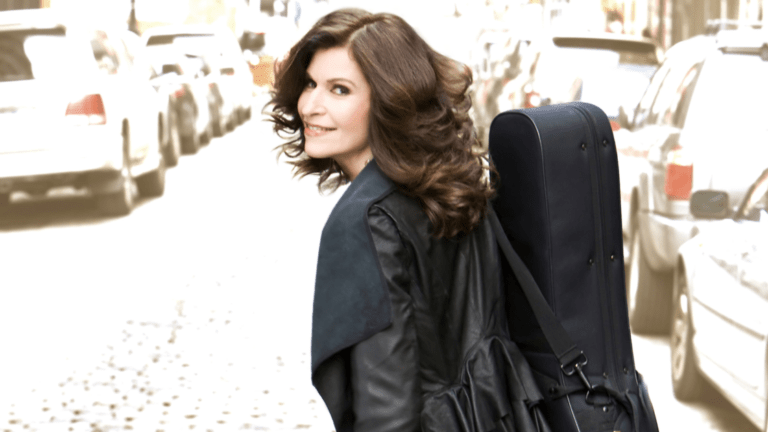
Music of Mexican composers Carlos Chávez and Manuel Ponce, plus Spaniard Manuel de Falla conducted by Leonard Bernstein, José Serebrier, and Pierre Boulez. Hear soloists Sharon Isbin (guitar) Jan DeGaetani (mezzo-soprano), and Marilyn Horne (mezzo-soprano).
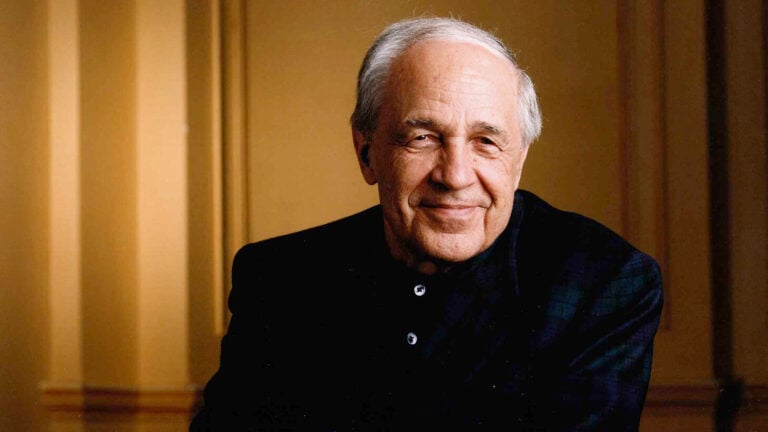
In this broadcast, we hear Pierre Boulez conduct three French works: the score to the ballet La Péri by Paul Dukas, the Symphony No. 3 by Roussel, and the Mother Goose suite by Ravel. We’ll also hear Leonard Bernstein lead a performance of Beethoven’s First Piano Concerto from the keyboard.
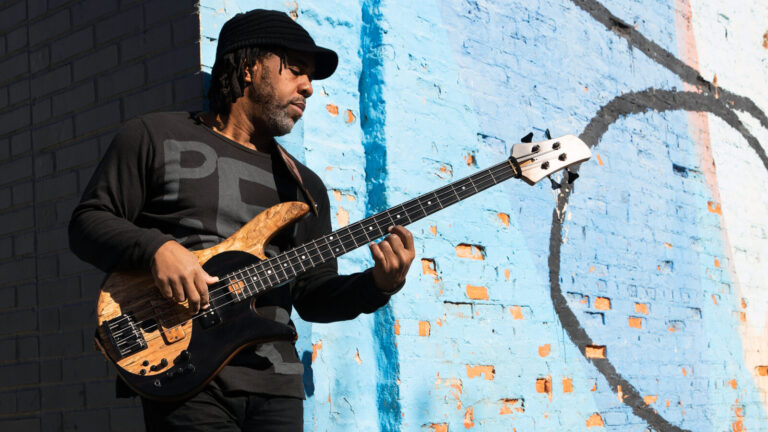
A multiple Grammy-winning legend in the worlds of funk and avant-garde jazz, Victor Wooten is a regular in music critics’ lists of the best bass guitar players in history.
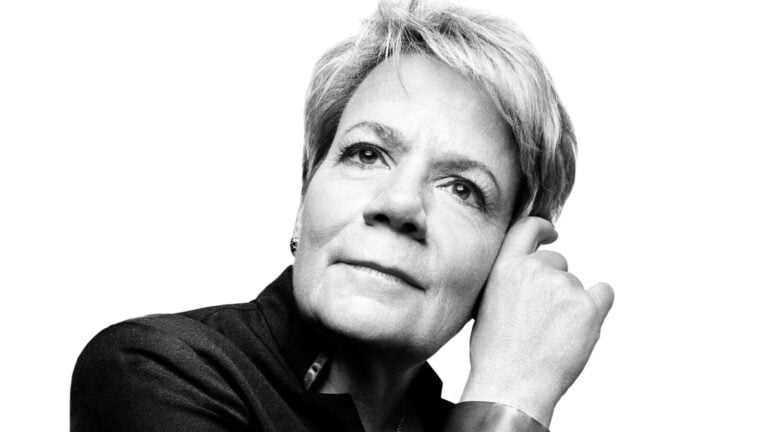
“The way Elgar represents the people that are important in his life is really charming and delightful, and very moving,” says conductor Marin Alsop, on Elgar’s “Enigma” Variations, a series of portraits of friends and family members. Alsop conducts this piece, along with music by Barber and Rachmaninoff.
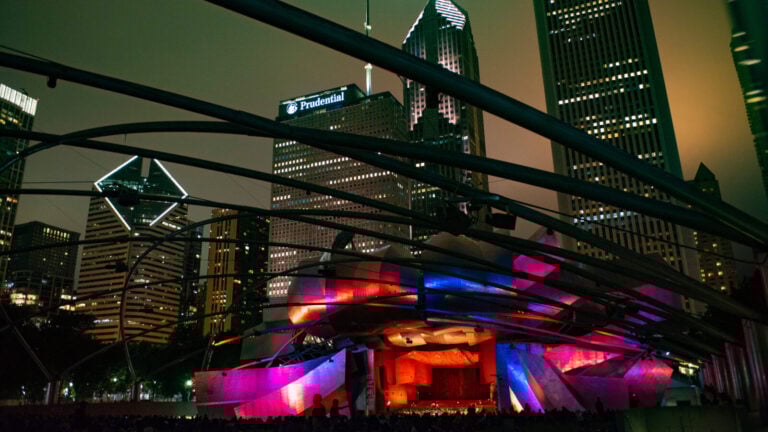
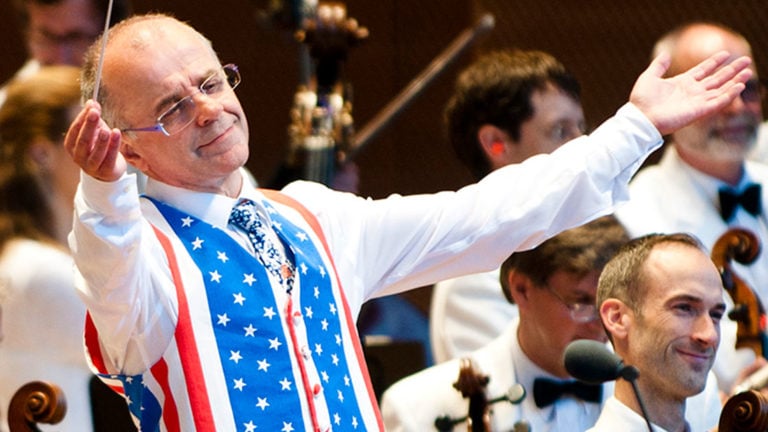
With Christopher Bell decked in red, white, and blue, the Grant Park Orchestra presents Leonard Bernstein, John Williams, John Philip Sousa, and the ever-popular Armed Forces Salute in a glorious summer tradition.
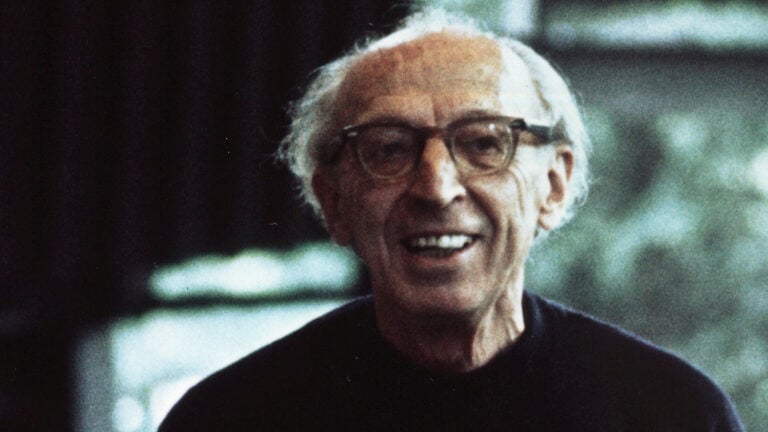
From waves of grain to stars and stripes, Aaron Copland defined the soundtrack of much of America. This week, we’ll trace his trek from the heart of Brooklyn to the heart of a nation. Featured works include Appalachian Spring performed by the St. Paul Chamber Orchestra, and Our Town with Copland himself conducting the London Symphony Orchestra. Bill tells the …